
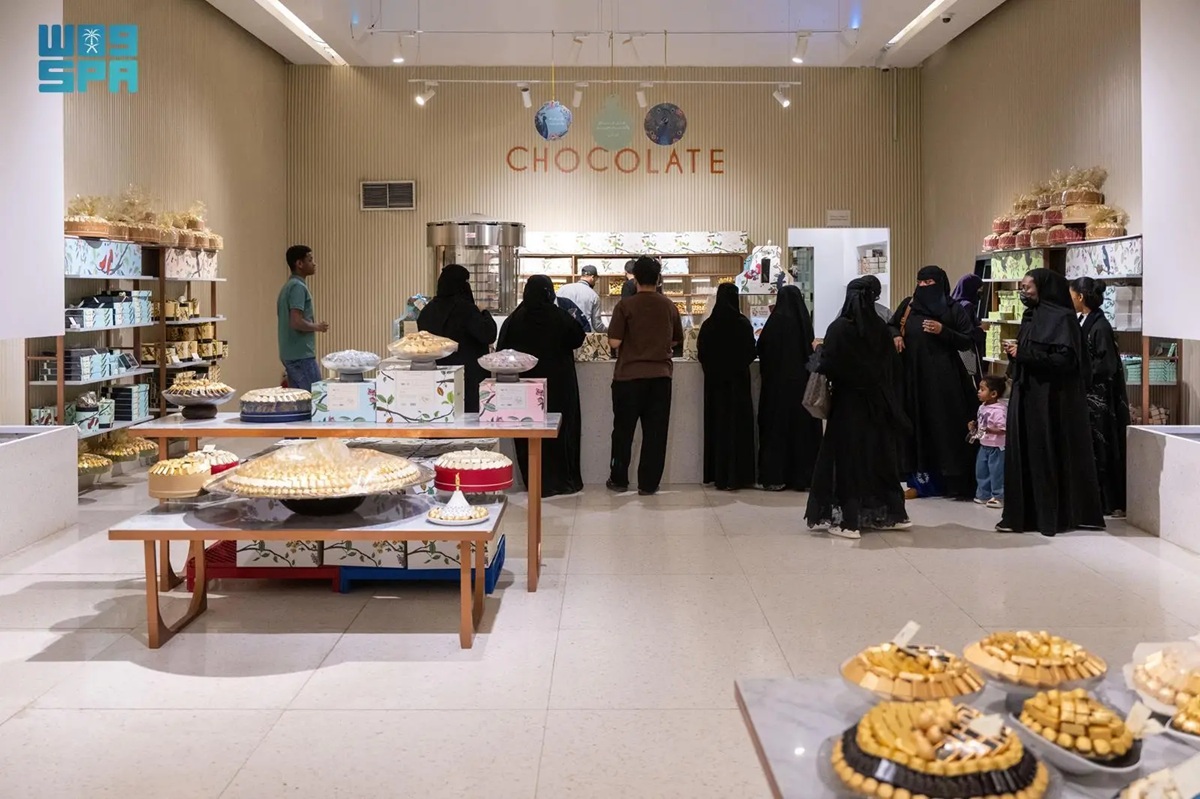
In 2024, Saudi Arabia imported a staggering 123 million kilograms of chocolate, reflecting the nation’s evolving sweet tooth and its growing appetite for diverse confectionery options. This remarkable figure, according to the Zakat, Tax and Customs Authority (ZATCA), highlights the robust growth in the market as consumers increasingly seek out new tastes and experiences, particularly during festive seasons like Eid Al-Fitr.
The expanding demand for chocolate in Saudi Arabia underscores a broader trend in consumer preferences toward a variety of sweet treats. The influx of 123 million kilograms of chocolate can be attributed to several factors, including the rise in promotional campaigns that entice consumers. Local shops and large retailers have strategically increased their stock to include both adapted local favorites and an array of international brands, ensuring that there’s something for every palate.
According to ZATCA, the primary export countries for Saudi chocolate imports include the UAE, UK, Jordan, Egypt, and Türkiye. This diversified source pool provides Saudi consumers with a rich tapestry of chocolate options that cater to a wide array of tastes and preferences. Seasonal promotions often bolster sales, especially during celebrations like Eid, when chocolates play a significant role in traditional festivities.
The Chocolate Market Growth
As chocolate imports continue to rise, retailers are keen to present an extensive selection of sweets, whether they are sourced internationally or locally manufactured. The anticipation of large quantities during festive periods often leads consumers to approach stores with the intention of purchasing chocolates as gifts and personal treats. It’s not uncommon for shoppers to look for the latest designs and flavors that stand out in the bustling market.
Chocolate prices vary considerably, influenced by factors such as origin, type of chocolate, packaging quality, and serving options. In Saudi Arabia, local chocolates typically retail from SR30 ($8) to SR150 ($40) per kilogram, offering options that range from colorful candies and toffees to various forms of chocolate. In contrast, imported chocolates tend to command higher prices, particularly those sourced from Europe and select eastern countries. For instance, exquisite dark chocolate with specialized fillings can reach prices as high as SR300 ($80) per kilogram.
Furthermore, ZATCA has noted that the overall stability of local chocolate prices can be attributed to adequate production levels and manageable manufacturing costs, which allow businesses to keep prices relatively low. As Saudi Arabia continues to import 123 million kilograms of chocolate, the balance between local and imported options ensures that consumers can enjoy both affordability and premium selections.
The growth of chocolate imports in Saudi Arabia not only mirrors changing consumer trends but also highlights a vibrant market. As the demand for diverse chocolate offerings rises, the Kingdom is poised to embrace even more delightful sugary innovations, satisfying the palates of chocolate enthusiasts across the country.