
The United Arab Emirates is establishing its leadership as a prominent regional and global hub for healthcare and medical tourism, underpinned by a world-class infrastructure. The country is increasingly attracting complex medical cases and international patients seeking precision surgeries and advanced treatments in oncology, rare and genetic diseases, and precision medicine. This transformation reflects the evolution of the healthcare system and its expanding specialised capabilities while strengthening the nation’s presence on the global medical tourism map.
This shift is supported by the expansion of healthcare infrastructure, investment in cutting-edge medical technologies, and the attraction of global talents. Moreover, there is a growing focus on integrating healthcare and tourism services alongside air transport networks. Increasing competition is now centred on the quality of outcomes, medical expertise, and the seamlessness of patient journeys, rather than solely on costs.
According to the Q2 2026 report by Zafis, there are currently 13,772 healthcare facilities across the UAE, including 173 hospitals and 6,854 clinics and health centres, with a total of 18,500 beds and 99,520 licensed health professionals. The Bio Nexus Institute estimates the value of the UAE healthcare market in 2023 to be around $30 to $33 billion, which encompasses various healthcare sector activities and is not limited to medical tourism revenues.
Officials and healthcare experts have affirmed that the next phase requires building upon these capabilities, enhancing partnerships among healthcare institutions, raising quality and transparency levels, and developing specialised services that attract international patients.
Growing Infrastructure
Indicators from the sector in Dubai highlight the substantial growth within its healthcare framework, with the number of licensed healthcare facilities in the emirate rising to 5,931 in the first half of 2026, an increase from 5,541 in the same period in 2025, reflecting a growth rate of 7%. Furthermore, the number of licensed health professionals surged to 70,566 from 66,277, showing a 6.5% increase, according to data from the Dubai Health Authority.
Dubai also benefits from its status as a global tourism destination, welcoming around 19.59 million international visitors in 2025, a 5% increase, as per the Department of Economy and Tourism. This influx enhances the potential for synergy between tourism and healthcare services, even though this figure does not specifically account for those coming for treatment.
In Abu Dhabi, there is a rising trend in investments towards precision medicine, oncology, rare disease treatments, and gene therapies, alongside clinical research and AI-driven medical applications. Notably, 2025 saw the announcement of the region’s first heavy ion therapy facility within the Cleveland Clinic Abu Dhabi campus, aimed at providing precise tumor-targeting technology.
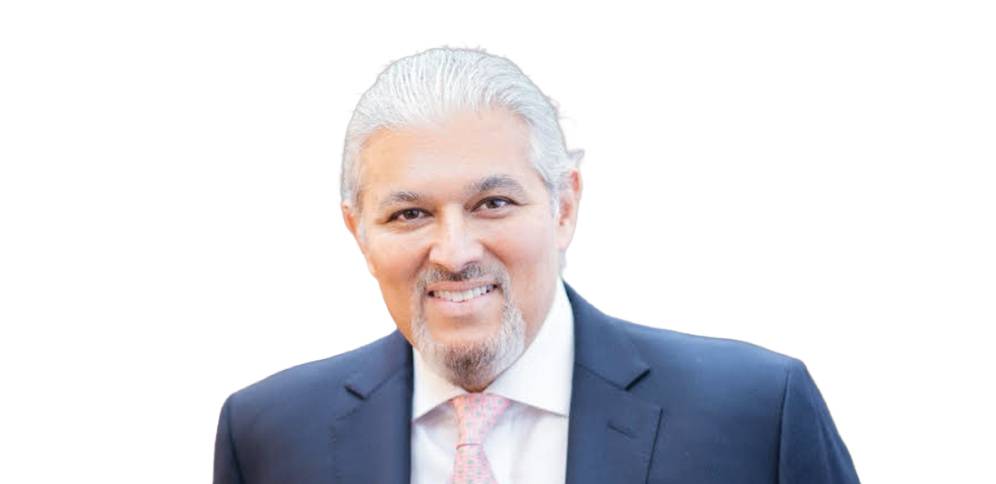
Dr. Jafer Khan, founder and CEO of Ion and Aesthetics International Clinics, stated that Dubai is entering a new phase of healthcare investment focused on promoting health sustainability, preventive medicine, and early diagnosis, which will open broader horizons for attracting investments and patients seeking specialised services.
He added that Dubai’s Health Sustainability Strategy, adopted in 2026, aims for an annual growth of approximately 31% and an economic contribution exceeding 35 billion dirhams over the next decade. These targets illustrate a commitment to developing the sector and do not necessarily imply that the investments and returns have been achieved yet.
Dr. Khan emphasised that the success of this initiative is linked to providing evidence-based medical services, measuring outcomes, implementing clinical governance, and distinguishing between scientifically validated treatments and emerging techniques that require further research. He further noted that investing in health sustainability is not limited to prolonging life but aims to increase the number of years individuals live in good health through prevention and early detection, highlighting the need for advancements in genomic testing and assessments related to metabolic and hormonal indicators.

Dr. Shanila Laigo, CEO of Mediclinic Group, confirmed that Dubai is experiencing an increase in attracting patients with rare and complex diseases, alongside families travelling specifically to obtain specialised treatments unavailable in their home countries.
She noted that international patients primarily come from the Middle East, Europe, Central Asia, and Southeast Asia, with some cases that previously opted for treatments in the United States choosing Dubai instead, owing to the availability of expertise and advanced techniques. The leading specialties attracting patients include oncology, cardiology, neurosurgery, rare diseases, and gene therapy, with some complex cases requiring stays of one to two months depending on the nature of the illness and treatment plan.
Dr. Laigo explained that treatment preparations begin before patient arrival through remote medical consultations and review of reports and tests, determining treatment eligibility and establishing a comprehensive care plan.
Furthermore, Suhail Atta Allah, Director of Clinical Operations at Mubadala Health in Dubai, highlighted the emirate’s advantage of blending internationally accredited hospitals with modern technologies and specialised medical expertise, alongside travel networks, thereby enhancing its ability to attract patients from the Middle East, Africa, and South Asia.
He pointed out that international patients are seeking high-quality care while avoiding long waiting periods and high costs associated with travel to distant destinations. Notably, gastrointestinal diseases, orthopedic surgery, and rheumatology are among the leading specialties offered by the institution.
Suhail also emphasised that sustaining growth requires maintaining quality standards and patient safety, enhancing transparency regarding outcomes and costs, and developing mechanisms for following up with patients after their return to their home countries.
Surgery as a Travel Catalyst
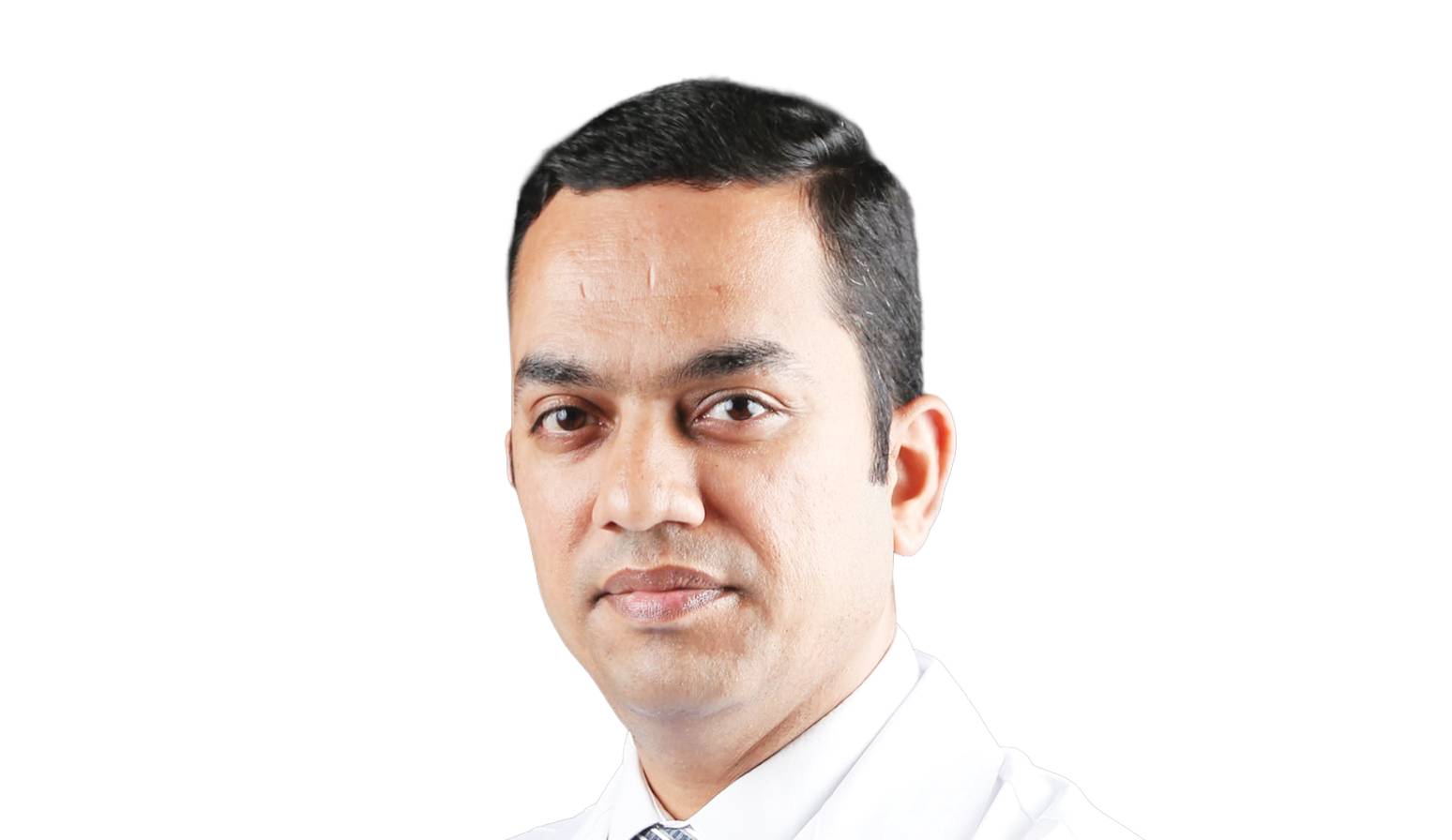
Dr. Manish Madenani, a specialist in gastrointestinal and laparoscopic surgery and head of the surgical department at NMC Specialty Hospital in Al Nahda, confirmed that patients are now travelling thousands of kilometres to the emirate for complex surgeries. Medical tourism is increasingly associated with surgical procedures rather than merely routine check-ups or aesthetic enhancements.
He stated that he receives patients weekly from Africa, South Asia, the Commonwealth of Independent States, and the Gulf Cooperation Council countries, noting that the nature of these medical trips has changed; now, surgery itself is the reason for travel rather than just seeking a general medical consultation during a vacation.
Dr. Madenani highlighted that advanced laparoscopic surgeries, minimally invasive interventions, revision surgeries for previous unsuccessful operations, and complex procedures for hernias, gallbladders, colon and rectum cancers, and obesity surgeries are among the most sought-after procedures drawing patients to the emirate.
He added that robotic surgery and minimally invasive techniques improve the accuracy of certain procedures while reducing pain and hospital stays for suitable patients. Importantly, he clarified that it is the doctor’s responsibility to determine the appropriate time for the patient to travel and devise a recovery and follow-up plan upon their return home.
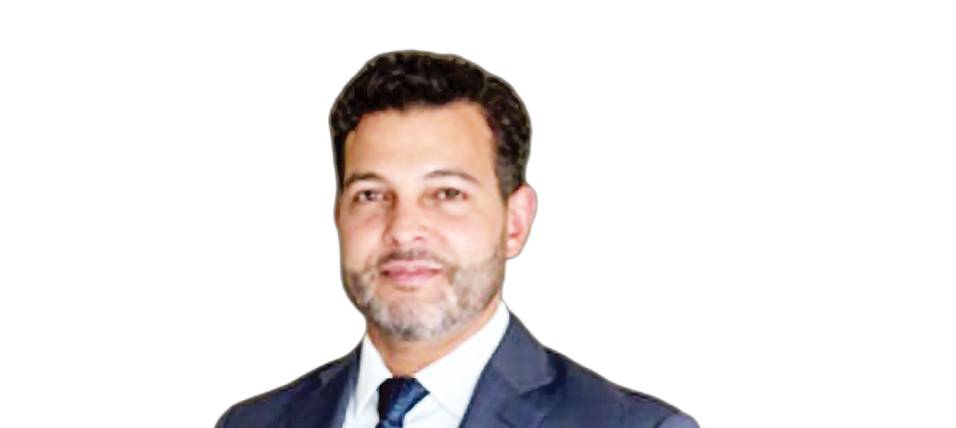
In this context, Dr. Sherif Awad, a consultant in upper gastrointestinal surgery, obesity, and laparoscopic procedures and head of the surgical department at Emirates Specialty Hospital, noted that patient choice of medical destination is now influenced not just by the surgeon’s reputation but by the availability of a comprehensive system encompassing the equipped hospital, the medical team, appropriate technologies, and the stages of treatment and recovery.
He stated that the surgical treatments attracting patients cover specialties including orthopaedics, cardiology, neurology, oncology, and ophthalmology, along with fertility therapies and gastrointestinal and obesity surgeries.
He also emphasised that technology cannot replace the expertise of the medical team, and the decision to utilise robotic surgery should depend on the patient’s condition and the surgeon’s proficiency. In October 2025, “Dubai Health” announced that over 145 robotic surgeries have been performed at Dubai Hospital since the launch of the program, covering urology, general surgery, and obstetrics and gynaecology.
Recovery as Part of Treatment
The international patient’s journey extends beyond diagnosis and surgery; it includes rehabilitation and regaining functional capabilities. Dr. Ahmad Al-Khayr, CEO and Head of the Rehabilitation Medicine Department at Cambridge Medical Group in the UAE, affirmed that the success of medical tourism is not solely measured by performing a procedure or a patient’s discharge from the hospital.
He explained that rehabilitation plays a crucial role in reducing complications and minimising the chances of readmission, especially for those who have undergone complex surgeries or experienced strokes and neurological injuries.
Dr. Al-Khayr stressed the importance of integration between hospitals and rehabilitation centres, preparing plans that consider the physical and psychological needs of the patient. This involves multidisciplinary teams and family engagement in setting goals to ensure the continuity of care, both in person and remotely.
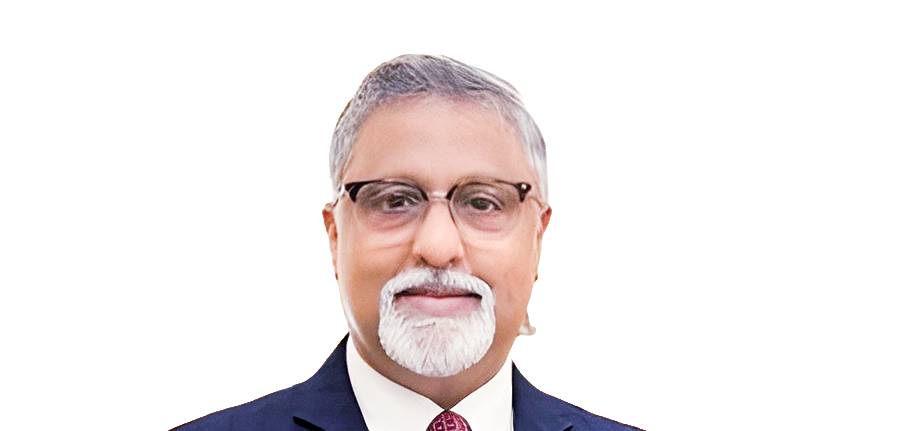
Dr. Lalu Chacko, Medical Director of Mediclinic Group, noted that Dubai is witnessing an increasing diversity of nationalities among international patients, along with rising interest in specialised fields and complex cases, particularly concerning cancers, heart diseases, neurosurgery, orthopaedic surgeries, and rare and genetic disorders.
He explained that advancements in gene therapy available for certain rare genetic disorders, such as Duchenne muscular dystrophy, provide advanced options for qualified patients that were previously limited or required travel to distant destinations like the United States.
He underscored that managing these cases necessitates multidisciplinary medical teams capable of evaluating patients, determining treatment eligibility, and following them through various stages. The concept of medical tourism is shifting from a focus on competitive pricing to what he termed “value-based medical tourism,” which is centred around providing appropriate treatment, clinical expertise, and the required technology.
Patients with rare and complex diseases often require a stay of one to two months in the UAE, necessitating comprehensive services that include medical care, accommodation, continuous monitoring, and communication with the treating team. He concluded that the upcoming phase will require establishing further incentives and solutions to reduce the overall costs of medical travel and simplify its procedures while enhancing the UAE’s competitiveness in attracting international patients, particularly those with complex and rare conditions.