
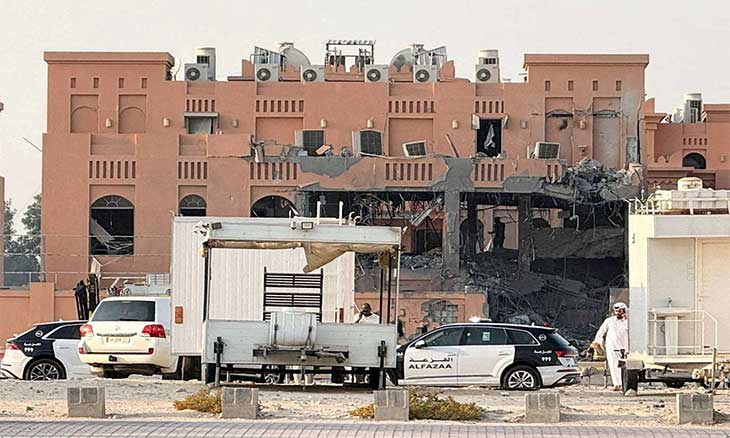
The recent events surrounding the العدوان على قطر: تحول الرؤية الإسرائيلية have initiated a shift in regional dynamics, highlighting a transformation in how Israel perceives its neighbors and allies. This article delves into the implications of the Israeli attacks on Qatar and how they affect the relationships among various states in the Gulf and beyond. Moreover, it examines the evolving Israeli strategies and the responses from countries like the UAE, shedding light on a broader geopolitical narrative that is still unfolding.
Israeli Aggression and Regional Reactions
Following the Israeli strikes on Qatar, Abu Dhabi’s response was notably positive. Sheikh Mohammed bin Zayed of the UAE visited Qatar to meet with Emir Tamim bin Hamad. This diplomatic overture signals cautious maneuvering by the UAE, especially in light of the Abraham Accords and the increasingly aggressive behavior exhibited by the Israeli right-wing. Notably, Emirati businessman Khalaf Al Habtoor’s call for a no-fly zone over Israel underscores the shifting dynamics and the growing frustration within the UAE regarding Israeli actions.
The discomfort felt by the UAE is palpable, particularly as voices calling for the annexation of the West Bank resonate in Israel. The fundamental premise of the Abraham Accords was predicated on Israel gradually conceding politically in exchange for economic benefits, fostering stronger ties between Israel and its Arab neighbors. However, the recent developments challenge the viability of these agreements as they unveil Israel’s intent to unilaterally further its agenda, often to the detriment of its partners.
Shifts in Israeli Strategic Perspective
The assault on Qatar was not merely a hastily planned operation but rather indicative of a significant shift in Israel’s outlook towards the region. Previously negotiated agreements, which aimed to normalize relations with Arab countries, now appear tenuous. Israel’s aggressive posturing comes in the wake of perceived shifts in the balance of power, such as the neutralization of Hezbollah and the diminishing Iranian influence in Syria.
In this changed landscape, Israel seems less encumbered by the principles of negotiation and more inclined towards military solutions. The concept of Israeli hegemony over the region, previously shrouded in the guise of defense, is becoming increasingly evident as aggressive tactics replace diplomatic efforts.
The Broader Impact on Gulf Cooperation
The ramifications of the العدوان على قطر extend beyond the immediate conflict, triggering significant changes within the Gulf Cooperation Council (GCC). Countries in the region are reevaluating their security postures in light of this aggressive incident. For example, Saudi Arabia has taken measures to solidify its national security by entering into a mutual defense agreement with Pakistan, signaling a recognition of the increasing threats from Israel’s aggressive stances.
Moreover, the solidarity among Gulf nations is being tested. The symbolic significance of the attack on Qatar resonates deeply within the region, prompting a reconsideration of alliances. Recent tensions underscore a broader narrative that emphasizes the fragility of stability, compelling Gulf states to reassess their relationships with both internal and external players.
Future Trajectories and Regional Stability
As the Gulf nations grapple with the implications of the aggression towards Qatar, the need for a coherent strategy becomes paramount. The reaction to Israeli actions will undoubtedly shape future alliances and security frameworks in the region. With the backdrop of a fluid Arab landscape, characterized by ongoing conflicts, the call for a reimagined approach to stability cannot be overstated.
The outcomes of the recent Doha summit—and the hesitance to take decisive action—illustrate the broader challenges facing the region. Any delay in addressing these evolving threats can escalate tensions further, leading to potentially significant repercussions for Gulf nations. The landscape of the Middle East is shifting dramatically, and the responses to these provocations will play a crucial role in defining its future.
As this situation continues to evolve, it remains to be seen how the broader regional players will navigate the complexities of shifting alliances, as the العدوان على قطر serves as a stark reminder of the precarious nature of peace and stability in the Gulf.