
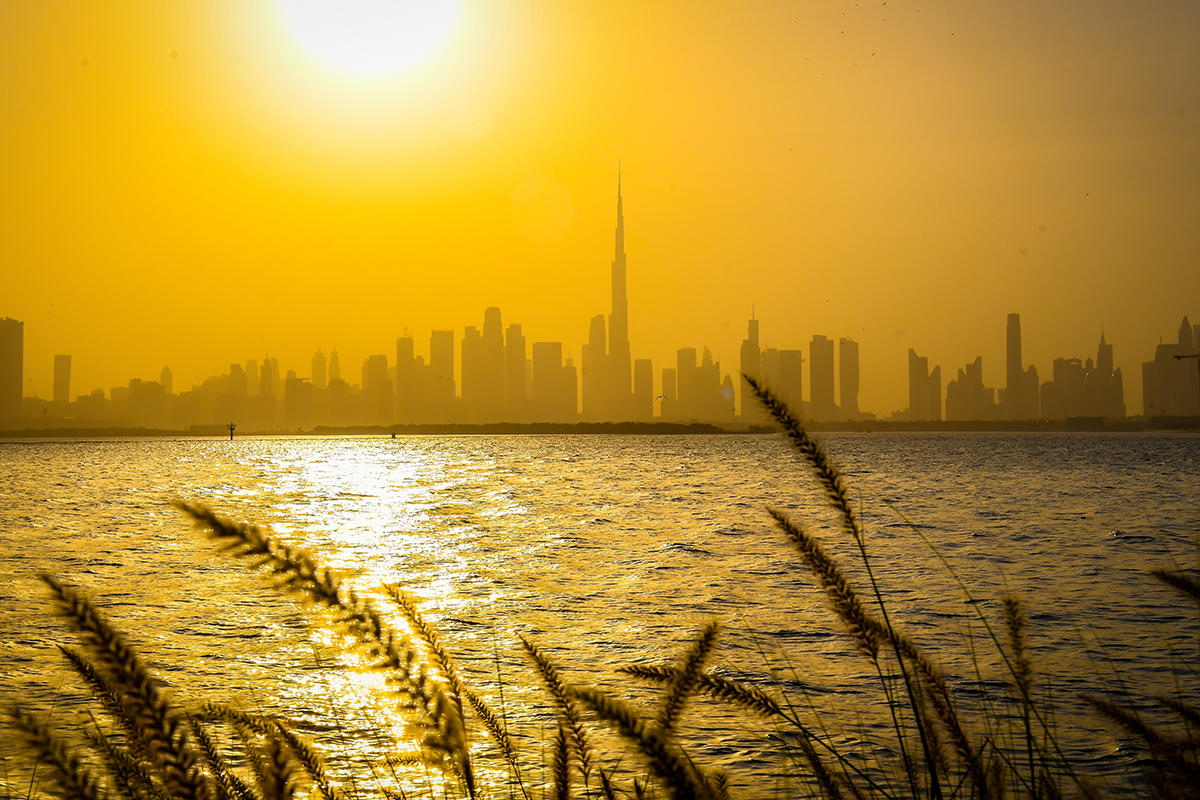
In the dynamic landscape of Dubai‘s rental market, the first half of 2025 revealed varying trends, with some areas witnessing significant rent increases while others experienced declines. Understanding where Dubai rents rose and fell during this period provides valuable insights into the shifting preferences of residents and the impact of regulations on the housing market. As we delve deeper into this subject, we will explore the factors that contributed to these trends, highlighting the winners and losers amidst the ongoing evolution of the city’s rental landscape.
Prime Areas Experience Significant Increases
The standout areas in the rental market were undoubtedly prime locations such as Business Bay and Dubai Marina. These regions experienced a surge in rental rates, primarily driven by the influx of young professionals attracted by their proximity to Dubai’s key financial districts. As noted by Ronan Arthur, Director and Head of Residential Valuation at Cavendish Maxwell: “Business Bay saw rental rates increase in H1, driven by high demand from young professionals and its proximity to Downtown Dubai and DIFC.” Furthermore, Dubai Marina also saw a similar upward trajectory in rents, buoyed by continued interest in waterfront living close to the beach and Jumeirah Beach Residence (JBR).
Luxury Villas Lead the Way
Luxury villa communities emerged as the primary drivers of rental growth, with high-demand areas such as Emirates Hills, Jumeirah Golf Estates, and Dubai Hills Estate recording increases of up to 11 percent. Andrew Cummings, Head of Residential Agency at Savills Middle East, indicated that some upscale properties even experienced rent hikes as drastic as 53 percent, as documented in Bayut’s market report.
Cummings further explained, “Mid-market apartments in Dubai Marina, Downtown Dubai, JVC, and Dubai Hills Estate recorded the strongest growth in H1 2025, with luxury villas in Emirates Hills, Jumeirah Golf Estates, and Dubai Hills Estate up by around 18-45 percent in sales prices and villas seeing up to 11 percent rental increases.” Notably, Dubai Hills Estate was highlighted as the standout performer, with six-bedroom properties experiencing a staggering 52.5 percent increase in asking rents, reaching AED 2.31 million annually.
In the affordable segment, Bur Dubai emerged as the leader for rental searches, where studios averaged AED 66,350 annually and two-bedroom units reached AED 80,000. Arjan also gained traction among budget-conscious tenants, with one-bedroom apartments averaging AED 52,000 and two-bedroom units at AED 77,000, according to the latest report.
Rental Declines in Certain Areas
While some regions thrived, not all areas were fortunate. International City and Discovery Gardens saw rental rates decline significantly in the first half of 2025. Arthur attributed these decreases to newly implemented regulatory crackdowns on subletting and heightened competition from superior quality units nearby. He stated, “Increased supply, particularly in mid-market and budget-friendly neighborhoods, has intensified competition among landlords, resulting in more competitive pricing.”
In the mid-tier villa segment, Al Furjan experienced some of the steepest declines, with five-bedroom properties dropping 12.9 percent to AED 319,000 annually, while four-bedroom units declined by 4.92 percent to AED 234,000. Meanwhile, specific property types within Jumeirah Village Circle reported declines of up to 13 percent.
Impact of the Smart Rental Index
The launch of the Dubai Land Department’s Smart Rental Index in January 2025 has begun to make waves in the market by curbing extreme rent increases. The AI-powered tool analyzes various data points, including rental contract values and area averages, to ensure fair rental adjustments while requiring landlords to give tenants a 90-day notice before any increases. Cummings noted that the Smart Rental Index is particularly effective in communities with high vacancy rates or aging stock, fostering a more data-driven and transparent negotiating atmosphere for both tenants and landlords.
Arthur observed, “The index has helped stabilize rental prices, mitigate inflation, and support a balanced cost of living. It has also enhanced market transparency, enabling both landlords and tenants to make informed decisions based on standardized data.” Furthermore, tenants have leveraged the index to contest unjustified rent increases, resulting in fairer rental agreements and reduced conflicts with landlords.
Short-Term Rentals Impacting Prime Areas
The increase in short-term rental conversions, often referred to as the “Airbnb effect,” has significantly influenced rental prices in prime locations. Regions like Dubai Marina, Business Bay, and Jumeirah Village Circle have seen a tightening of long-term rental supply, contributing to higher rates for traditional tenants. Cummings emphasized, “Short-term rentals have kept rents elevated in areas like Dubai Marina, Business Bay, and JVC by reducing long-term supply and increasing demand for furnished, flexible units.”
Arthur noted the direct correlation between short-term rental conversions and limited availability for long-term renters, which in turn drives up rents, complicating the search for affordable housing.
Despite the pressure on certain markets, the overall performance of Dubai’s rental sector maintained strength. According to recent data from the Dubai Land Department, new rental contracts surged by 12 percent in July compared to June, driven by families and professionals moving into the city ahead of the academic year. Market data from Betterhomes revealed that 39,251 rental transactions were recorded in July alone, with new contracts accounting for 40 percent of deals—up from 37 percent in June.
Future Outlook on Rental Growth
Looking ahead, industry experts anticipate the contrasting trends to persist. Prime areas are likely to face additional pressures due to short-term rental conversions, while neighborhoods with ample development pipelines may benefit from more balanced pricing. Arthur indicated, “Areas like Dubai South, Emaar South, and The Valley, which are currently attractive to tenants due to affordability, are likely to see rental increases as demand rises and supply tightens.” Conversely, as high volumes of newly completed units enter the market in locations like Jumeirah Village Circle and Business Bay, a moderation in rental prices is expected.
In an evolving market like Dubai’s, Cummings cautioned landlords: “Dead occupancy is expensive. Being inflexible on pricing can lead to longer vacancy periods, especially in a market where tenants have more options.” For both landlords and tenants, adaptability and awareness of market dynamics will remain essential in navigating this landscape.