
International Arabic Language Day 2025: How is the UAE Working to Strengthen Identity Among New Generations? This title highlights the diligent efforts of the United Arab Emirates to promote the use of the Arabic language as a fundamental element of national identity. Through innovative educational policies, the UAE aims to develop children’s skills in the Arabic language, contributing to connecting new generations with their culture and history. In this article, we explore how the UAE is achieving this by reviewing educational initiatives and the challenges it faces.
Arabic Language Education Policies in the UAE
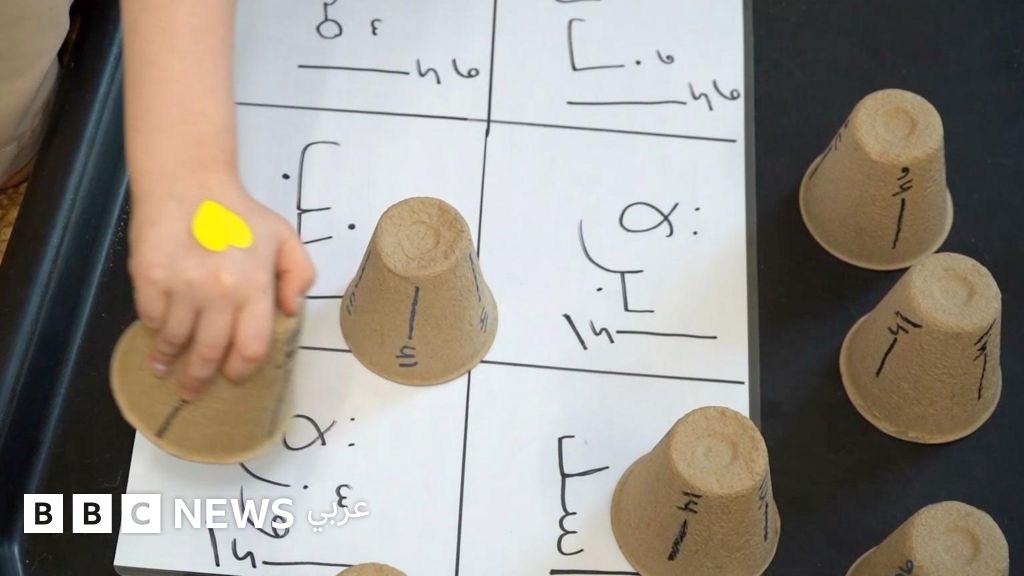
The United Arab Emirates embodies a clear vision in implementing a new policy that requires kindergartens in private schools to teach the Arabic language starting from the current academic year. Such initiatives not only contribute to developing children’s reading and writing skills but also aim to instill a love for the language in them from an early age. According to the Department of Education and Knowledge in Abu Dhabi, children receive 240 minutes per week of Arabic language education, with plans to increase this duration to 300 minutes starting next academic year.
Challenges and Ways to Overcome Them
Schools face multiple challenges, including the diversity of students’ linguistic backgrounds. Farah Al-Halabi, an Arabic language teacher, emphasizes that creating a safe and encouraging learning environment is crucial. Al-Halabi employs innovative methods such as facial expressions and movements, along with pictures and kinetic games, making it easier for children to remember words and vocabulary in Arabic. Innovative activities, such as storytelling and singing, are important factors that break down barriers and create an emotional connection to the language.
Response from Parents and the Community
Arabic language education policies are welcomed not only by schools but also by parents who see them as an opportunity to build a cultural identity for their children. Annaline, a mother of two from the Netherlands, expressed her happiness regarding her children’s learning of Arabic, explaining that it helps them connect with a new culture. Katya, a mother from Russia, notes that learning the language enhances communication skills and provides her children with opportunities to learn more about Arab heritage.
International Arabic Language Day: An Occasion to Celebrate
International Arabic Language Day is celebrated on December 18 each year, marking the day Arabic was adopted as the sixth official language of the United Nations in 1973. The Arabic language is considered an essential part of human heritage and culture, spoken daily by more than 400 million people worldwide. This celebration encourages the promotion of cultural diversity and emphasizes the importance of a deep understanding of other cultures as a fundamental condition for achieving peace and tolerance.
The continuous efforts made by the UAE to promote the Arabic language among new generations reflect the country’s commitment to preserving national identity, paving the way for a better future for upcoming generations and strengthening their ties to their cultural history.