
As the crisis in Sudan escalates, the UAE supports a political path led by civilians to resolve the crisis, emphasizing its commitment to a peaceful resolution under civilian leadership. Recent discussions in Abu Dhabi, including meetings with high-ranking officials, have underscored the urgent need for humanitarian assistance and a comprehensive ceasefire to alleviate the suffering of the Sudanese people.
Diplomatic Engagements and Initiatives
In a significant diplomatic move, Sheikh Abdullah bin Zayed Al Nahyan, the UAE’s Foreign Minister, welcomed Musaad Boulos, the U.S. Special Advisor for African and Arab Affairs. Their discussions centered on the dire circumstances created by the ongoing civil war in Sudan, highlighting the need for regional and international collaborative efforts to bring about a peaceful resolution. Sheikh Abdullah acknowledged the contributions of U.S. President Donald Trump in promoting stability and peace in the region.
UAE’s Support for Ceasefire and Civil Leadership
During their meeting, Sheikh Abdullah reiterated the UAE’s support for a political path led by civilians to resolve the crisis in Sudan. He stressed the importance of immediate and unconditional ceasefires to protect civilian lives and ensure humanitarian aid reaches those in desperate need. Sheikh Abdullah called for international support to cease violence, emphasizing that the suffering endured by the Sudanese people must come to an end.
Concerns Over the Ongoing Conflict
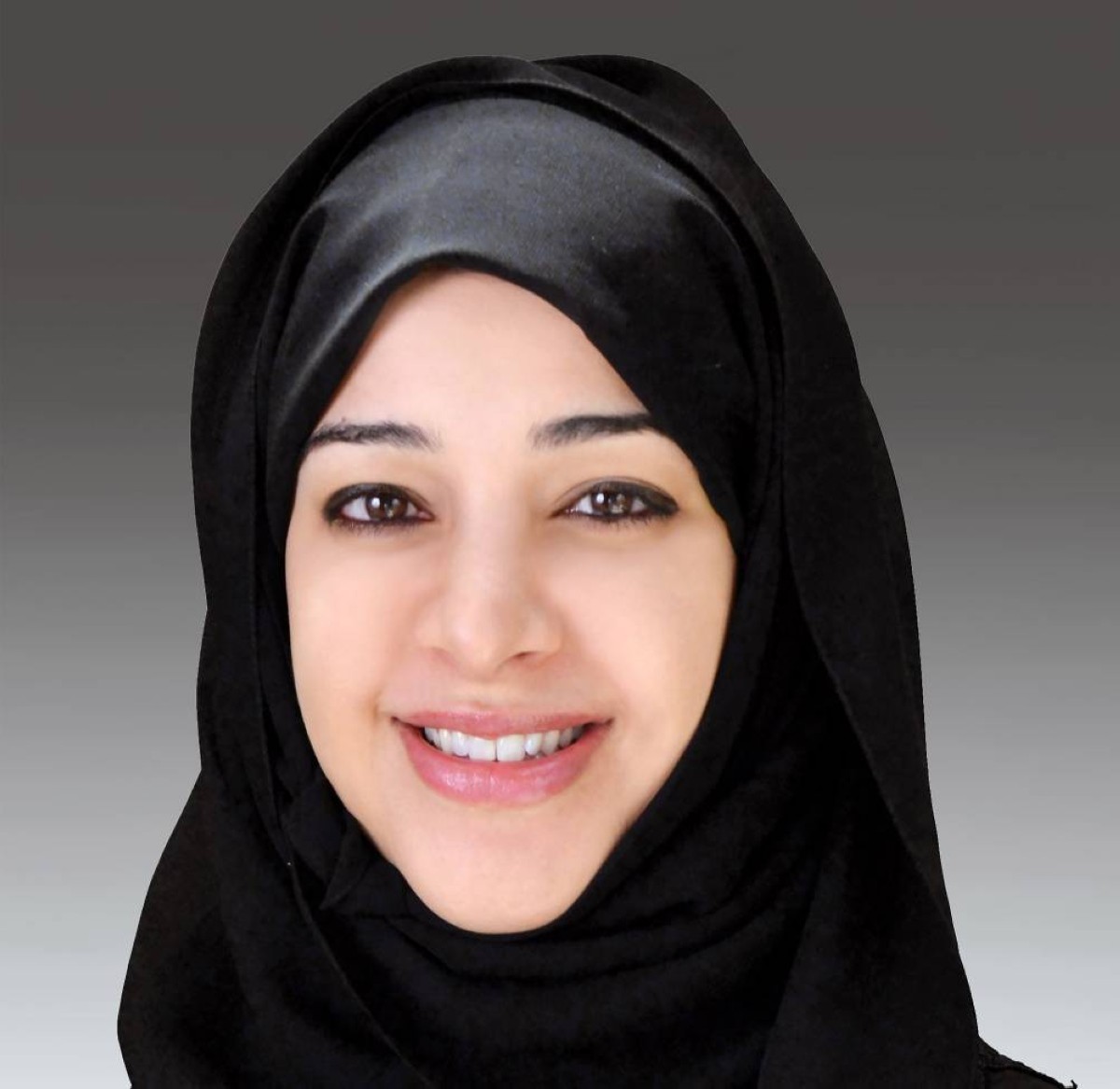
The UAE has expressed serious concerns regarding the actions of the warring factions. Reem bint Ibrahim Al Hashimy, Minister of State for International Cooperation, criticized the ongoing hostility and the rejection of peace initiatives by the leadership of General Burhan. She stated that the UAE is observing the detrimental impacts of the conflict, particularly the deliberate obstruction of humanitarian assistance, which exacerbates an already dire humanitarian catastrophe.
A Collaborative Approach to Peace
Reem Al Hashimy highlighted the necessity for a united front in addressing the humanitarian crisis and restoring peace in Sudan. She praised President Trump’s initiatives aimed at preventing Sudan from descending into chaos and reiterated that the international community must unify their efforts to stop the violations against civilians. A sustainable solution hinges on establishing a credible political pathway toward a civilian government that reflects the aspirations of the Sudanese citizens.
In statements to the media, Musaad Boulos underscored that a civilian-led governance structure is imperative for the future of Sudan, and that the resolution must stem from the voices of the Sudanese people themselves. He condemned any involvement of extremist groups, including the Muslim Brotherhood, in the political future of Sudan, stressing that the focus should remain on humanitarian aid and a gradual transition to a stable governance structure.
The UAE’s commitment to the civil leadership methodology in resolving the crisis is not just a diplomatic stance; it’s an acknowledgment of the importance of reconstructing a nation ravaged by prolonged conflict. The international community stands at a crossroads where its decisions can either pave the way for a flourishing future or spiral into further turmoil. As the situation evolves, the UAE’s support for a political path led by civilians to resolve the crisis in Sudan echoes a hopeful desire for peace among all Sudanese.