
1 September 2026 20:34
آخر تحديث: 1 سبتمبر 20:37 2026

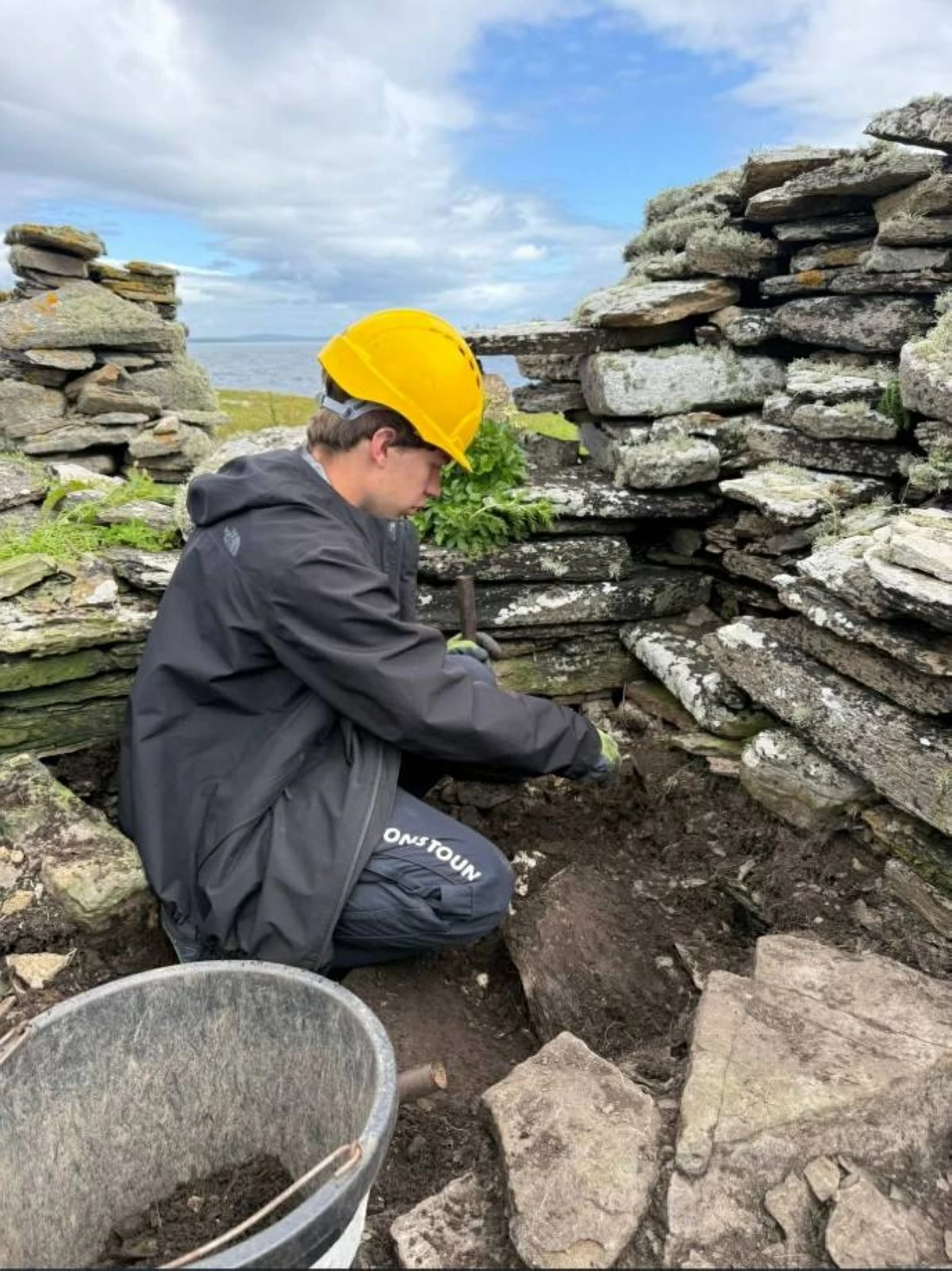
Students from Gordonstoun School in Moray, Scotland, in collaboration with archaeologists from the Orkney Archaeological Research Centre, have uncovered the remnants of what is believed to be a Viking-era church on the uninhabited island of Sùnnu in the Orkney archipelago. This discovery was made during a six-day archaeological mission.
Uncovering History
During their excavation, the students found significant structures, including what appears to be the foundation of an altar beneath a modern building on the island. The architectural style and layout of the discovered site, along with the use of dry stone construction without mortar, suggest a strong resemblance to Viking churches dating back to the 10th and 11th centuries.
A Unique Adventure
The group of ten students journeyed for approximately ten hours to reach the remote island, situated about 11 kilometres north of John O’Groats. They resided in a century-old abandoned house and relied on an old well for water during their stay.
Significance of the Discovery
Dan MacLean, the school director, noted that maps of the area contained only a single reference to the site, listed as “Twinnly Kirk.” The excavations also revealed a staircase just beneath the surface, potentially leading to what could have been the church’s altar. MacLean emphasised that Sùnnu boasts a history spanning thousands of years.
Next Steps in Research
The researchers now plan to analyse samples collected by the students and intend to subject them to radiocarbon dating to ascertain the age of the site and the nature of activities that occurred within the church.

Student excavating among the remains of the church.