
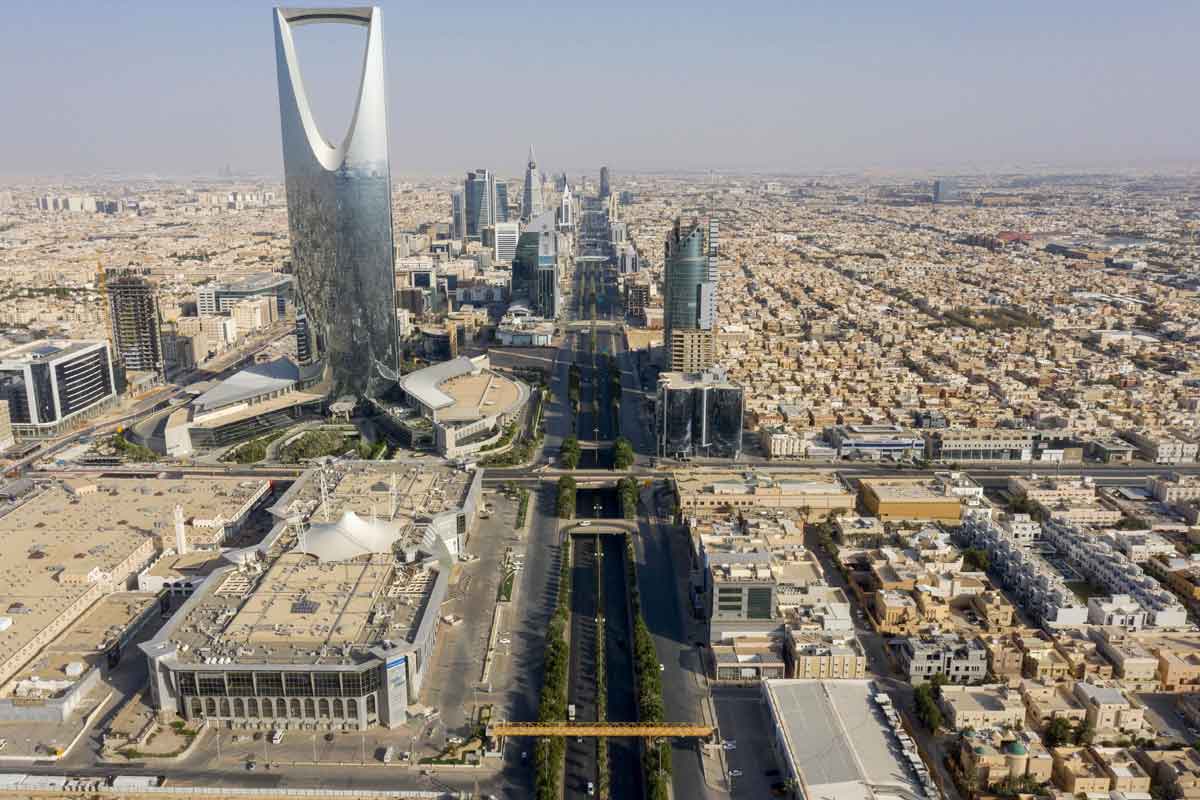
The upcoming foreign ownership law in 2026 is set to reshape Saudi real estate, which is currently witnessing significant growth and maturation. Urban centers across the Kingdom are experiencing notable increases in rental prices and various levels of transactional activity. This legislation promises to attract international investors and foster diversification within the sector. The evolving landscape of Saudi real estate aligns well with the country’s Vision 2030, focusing on urban development, population growth, and government initiatives to enhance home ownership.
Market Growth and Economic Drivers
The residential real estate market in Saudi Arabia is becoming more robust, as highlighted by the recent JLL KSA Living Market Dynamics report for Q2 2025. This growing maturity is largely attributed to several factors, including urbanization, population increase, economic diversification strategies, and government-led initiatives aimed at promoting home ownership. With a shift towards affordable apartment living and master-planned communities, the demand for housing continues to evolve.
Implications of the Foreign Ownership Law
Saud Al Sulaimani, the Country Lead and Head of Capital Markets at JLL Saudi Arabia, commented on the transformative potential of the upcoming foreign ownership law. He noted, “The Saudi Arabian residential market is maturing, reflecting a dynamic landscape driven by the Kingdom’s broader objectives to meet end-user needs.” He emphasized that the foreign ownership law, set to take effect in January 2026, is likely to stimulate the market further by attracting international developers and investors, thereby expanding opportunities for various stakeholders in Saudi real estate.
“This legislation is expected to invigorate the sector and boost real estate supply,” he added, highlighting the anticipated influx of foreign investment that could significantly enhance market stability and variety.
Regional Performance and Price Trends
In Q2 2025, Riyadh showcased exceptional performance, with villa prices increasing by 15.1% year-on-year, while apartment prices rose by 13.3%. Additionally, villa rents climbed by 13.9%, and apartment rents grew by 6.9%. Conversely, Jeddah exhibited mixed results; villa prices saw a moderate increase of 4.4%, while apartment prices fell by 3%. Rent trends varied here too, with villa rents declining by 2.8% and apartment rents rising by 2.4%.
The Dammam Metropolitan Area (DMA) demonstrated continued interest in upscale waterfront properties. In Al Khobar, apartment prices rose by 5.8%, and villa prices saw a 2.2% increase. In contrast, prices for Dammam apartments remained stable, while villa prices experienced a slight uptick of 1.8%.
Market activity varied across regions. Riyadh recorded 2,758 transactions, a minor decline of 1.5% year-on-year, with 81.3% of those being apartments. In Jeddah, transactions surged by an impressive 46.1% to 1,100 units, with the Al Marwah area leading apartment sales. Al Khobar enjoyed a 23.7% increase in transactions, while Dammam experienced a 6.7% decline.
Supply Overview
As of the first half of 2025, Riyadh’s residential stock reached 2.17 million units, with 5,600 new units completed and another 18,900 expected by the end of the year. Jeddah’s stock rose to 1.23 million units, anticipating an additional 8,640 units to be delivered in 2025.
In the DMA, the existing supply is concentrated along the coast, with plans for inland and southern expansion in future stock. New developments in both Riyadh and Jeddah increasingly focus on master-planned communities, emphasizing modern amenities such as gyms and dedicated parking spaces.
The ongoing shifts within Saudi real estate reflect a market in transition. As the country aligns affordability with lifestyle changes and investor interests, the sector is well-positioned for growth in the context of Vision 2030.