
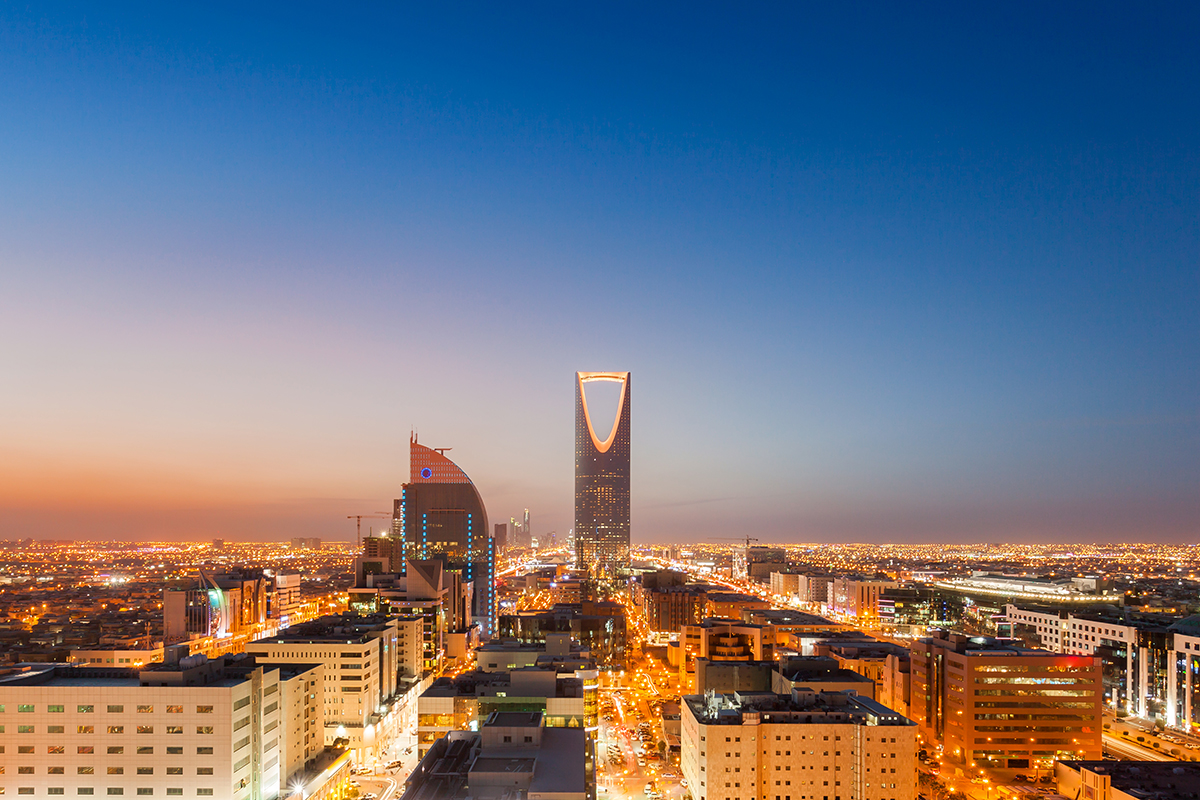
In a remarkable shift within the Saudi real estate landscape, Riyadh property sales have surged by an impressive 63%, reaching $17.5 billion, while Jeddah has also experienced a substantial increase of 34%. This dramatic rise in Riyadh property sales highlights a broader trend of growth and investment across the Kingdom’s major cities, fueled by government initiatives and ambitious development projects. As the country aims to transform its real estate sector under Vision 2030, these upward trends herald a dynamic future for property ownership and urban development in Saudi Arabia.
The city recorded 35,600 transactions, reflecting a 10% increase compared to the same period in 2024.
In Jeddah, sales values from January to June reached SR18.3 billion ($4.9 billion), marking a 34% year-on-year increase. The volume of transactions also rose by 25% to 15,200 during the first half of the year.
Saudi Real Estate Surge
The findings are part of Cavendish Maxwell’s KSA Residential Real Estate Market Performance report, which tracks sales prices, rental trends, and supply levels across Riyadh and Jeddah. This report complements the firm’s established market analyses for Dubai, Abu Dhabi, and Oman, reflecting its expansion of consultancy services in the Kingdom, where a nationwide real estate transformation is underway as part of Vision 2030.
The research points to robust population growth, numerous giga and mega projects, and anticipated global events such as Riyadh Expo 2030 and FIFA World Cup 2034 as key drivers of unprecedented demand in Riyadh property sales. Additionally, Saudi Arabia aims for 70% home ownership among nationals by 2030. New legislation allowing foreign investment in designated real estate zones starting January 2026 is expected to further stimulate demand.
Cavendish Maxwell noted increases in apartment and villa sales prices year-on-year in both Riyadh and Jeddah. Rental rates for apartments rose in both cities, while villa rentals saw an increase in Riyadh but a slight decline in Jeddah.
In Riyadh, apartment prices surged by 10.5%, and villa prices climbed 12.4% compared to the first half of 2024. As of June 2025, apartments were averaging SR6,100 ($1,600) per square meter, while villas stood at SR5,396 ($1,439) per square meter.
Jeddah experienced more stable growth, with apartment prices at SR4,376 ($1,167) and villas at SR5,114 ($1,364), reflecting increases of 1.8% and 2.5%, respectively. Rental prices also saw a rise; in Riyadh, apartment rents increased by 10.3%, while villa rents rose by 14.4%, largely driven by the influx of families and professionals relocating to the city.
The launch of the Riyadh Metro has further enhanced the appeal of residential properties located along its lines. Although rental prices for apartments in Jeddah increased by 4.7%, villa rents slightly dipped by 2.7% during the same period.
Between January and June, 8,100 new residential units were delivered across Riyadh and Jeddah. An additional 30,700 units are expected to be completed by December 2025, with another 72,000 projected by 2027. Riyadh contributed 6,000 newly constructed homes in the first half of the year, with plans for 18,000 more before the year concludes and another 48,000 by 2027. The city’s total residential inventory is anticipated to reach nearly two million units by that time, compared to 1.92 million as of June 2025.
In Jeddah, 2,100 units were delivered in the first half of the year, with 12,700 more anticipated in the second half and another 24,000 projected by 2027. The city’s residential inventory is expected to expand from 1.09 million units today to 1.13 million by the end of 2027. Key projects contributing to this growth include Diriyah, New Murabba, and Sedra District in Riyadh, as well as Jeddah Central and Al Arous by ROSHN in Jeddah, alongside various government housing initiatives.
Sean Heckford, Director of Built Asset Consulting at Cavendish Maxwell, stated, “The unprecedented growth of KSA’s residential sector reflects a deeper story: a region balancing tradition with modernity, where investment fuels progress while retaining the country’s charm and culture. More than just a property trend, this is a catalyst for regional development, driving improvements in infrastructure, services, and lifestyle.”
He added that policy reforms are reshaping the Kingdom’s real estate landscape. Under the new foreign property ownership law, non-Saudis will have the opportunity to own property in designated areas, significantly broadening market access. Meanwhile, the increased White Land Tax and Vacant Property Tax are expected to stimulate supply, discourage speculative holding, and promote more efficient land use.
“These measures are expected to accelerate housing delivery, stabilize long-term price growth, and reinforce the Kingdom’s Vision 2030 objectives, which include 70% home ownership in the next five years,” Heckford noted.
Looking ahead, Riyadh is on track to evolve into a city of over 12 million residents by 2035, bolstered by foreign direct investment, giga projects, and the Government’s Regional Headquarters (RHQ) program. Jeddah is positioning itself as Saudi Arabia’s cultural and commercial gateway, pursuing ambitious waterfront and urban regeneration initiatives to accommodate a population of more than six million by 2035.