
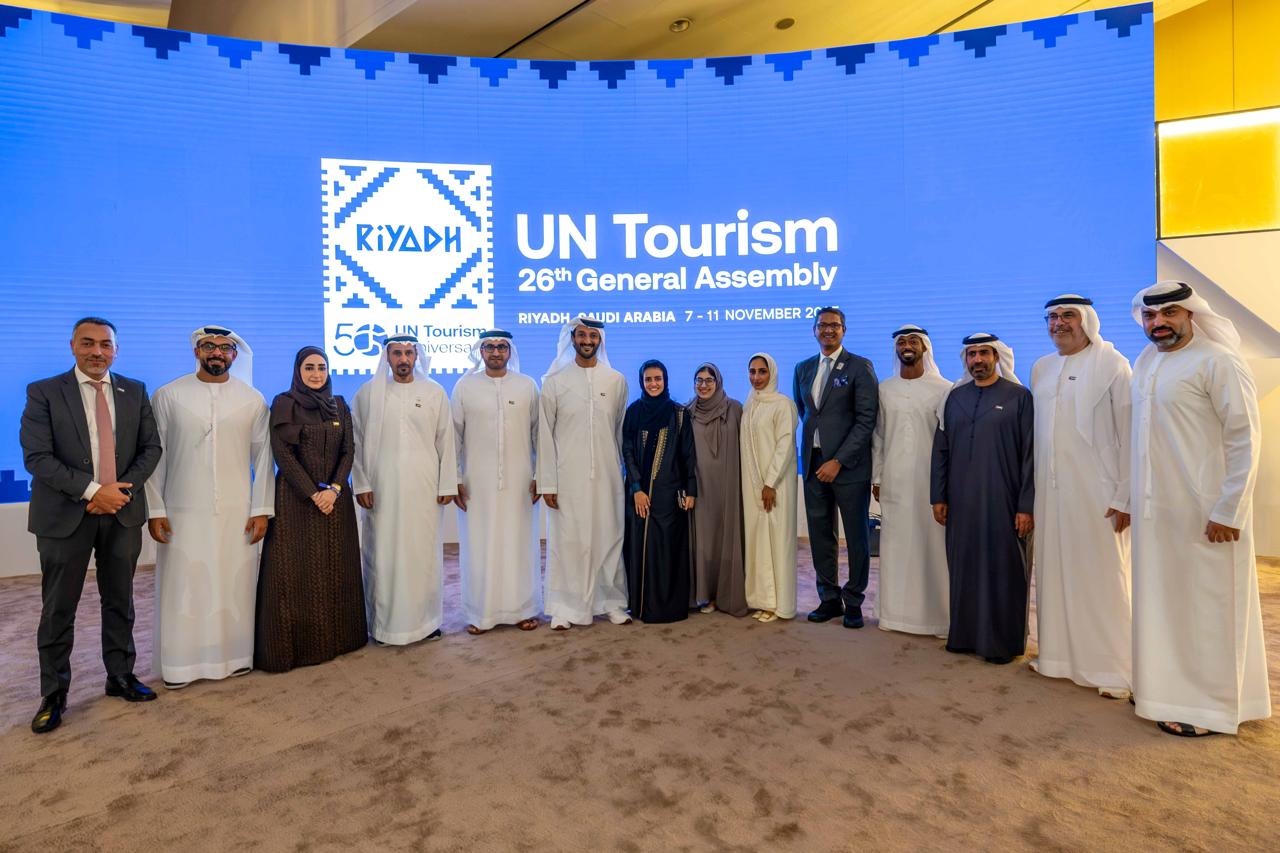
In a historic achievement that enhances the United Arab Emirates’ standing in the global tourism arena, Shaikha Nasser Al-Nuaimi has received international consensus for her appointment as the Secretary-General of the United Nations World Tourism Organization (UNWTO) for the term 2026 to 2029. This decision was made during the 26th General Assembly of the organization held in Riyadh, Saudi Arabia, from November 7 to 11, which saw unanimous support from over 160 member countries.
This significant victory follows her election in May by the organization’s executive council, marking her successful completion of the nomination and election process in accordance with the organization’s protocol. Shaikha Nasser Al-Nuaimi’s appointment makes her the first woman and the first Emirati to lead the UNWTO since its establishment 50 years ago. This milestone underscores the international trust in Emirati competencies and highlights the UAE’s role in shaping the future of global tourism. It is also a testament to the UAE’s ongoing efforts in empowering women and enhancing their representation in international leadership roles. The announcement was made during the Emirati delegation’s participation in the assembly, led by Abdullah bin Touq Al Marri, Minister of Economy and Tourism.
Abdullah bin Touq remarked, “Today marks a historic turning point, not only for the UAE but also for the Arab region and the international tourism sector as a whole. The unanimous support for Shaikha Al-Nuaimi signifies the prestigious international position our country holds in tourism and economic diplomacy. It also confirms our growing leadership role in supporting sustainable tourism development and fostering cultural communication between nations.”
He added that this achievement reflects the wise vision established by His Highness Sheikh Mohamed bin Zayed Al Nahyan, President of the UAE, and His Highness Sheikh Mohamed bin Rashid Al Maktoum, Vice President and Prime Minister of the UAE and Ruler of Dubai, in promoting excellence, innovation, and empowering national competencies to make impactful contributions within international organizations, thus establishing the UAE as a trusted partner in leading global economic development initiatives.
Abdullah bin Touq extended his gratitude to the UNWTO member states for their significant trust and support in nominating the Emirati candidate for this leadership role, asserting that this historical achievement compels the UAE to continue working diligently toward defining a more sustainable and prosperous future for global tourism.
He emphasized that the UAE has secured its position as one of the world’s leading tourism destinations through robust infrastructure, sustainable strategic investments, and a rich cultural and social diversity founded on values of tolerance and openness.
Shaikha Nasser Al-Nuaimi expressed her heartfelt thanks to the member states of the UNWTO for their confidence and support as she assumes this international responsibility at a time that necessitates collaborative efforts and a visionary outlook. “I firmly believe that tourism is not just an economic industry; it serves as a bridge for human connection and a foundational pillar for fostering understanding, peace, and sustainable development among cultures globally,” she affirmed.
She pointed out that her ascension to this position would not have been possible without the wise vision of the UAE leadership, which has consistently championed the empowerment of Emirati women across various sectors, especially tourism, now a major driver of sustainable development. Shaikha Al-Nuaimi highlighted that this accomplishment reinforces the UAE’s role in shaping global tourism policies and trends in the coming years.
She stated, “Together—governments, organizations, private sector partners, and civil society—we will embark on a new phase of collaborative action, founded on innovation, empowerment, and sustainability, as well as the development of human competencies. We aim to make tourism an inclusive sector that opens doors for everyone, especially youth, women, and local communities, thereby enhancing sustainable growth and global cultural interaction.”
She reaffirmed her vision for leading the global tourism system, transforming challenges into opportunities and redesigning tourism frameworks to meet local community needs while bolstering national economies. Furthermore, she aims to strengthen partnerships to expand the organization’s capacity to support developing nations through training, capacity-building programs, and facilitating access to funding and successful best practices.
During this assembly, a series of intensive meetings took place among the General Assembly and the UNWTO Executive Council, addressing a broad range of strategic topics linked to the implementation of international tourism programs. These discussions emphasized enhancing the sustainability of the tourism sector at both regional and global levels, developing human skills and competencies in tourism, and supporting digital transformation and innovation in global tourist destinations. This focus aims to elevate the quality of tourism experiences and enhance the competitiveness of member countries.
The meetings represented a launchpad for a new phase in restructuring tourism’s role within the economies of member states, especially amid current global challenges, including climate change and rapid digital transformations. They also opened doors for enhancing sustainable tourism models that consider environmental and community needs while supporting global economic growth, thereby creating new opportunities for innovation and investment. This positions the tourism sector as a significant driver for comprehensive and sustainable economic growth for future generations.
Discussions during this assembly included deep deliberations on the future of global tourism post-pandemic recovery, highlighting the urgent need to rebuild the sector on more resilient, sustainable, and diversified foundations. The conversations underscored the importance of reimagining international tourism models to better support global economic growth, create jobs, foster innovation, and strike a balance between economic growth and the preservation of environmental and cultural resources.
These developments indicate a new chapter in the global tourism landscape, with Shaikha Nasser Al-Nuaimi at the helm, guiding efforts toward a more interconnected and sustainable future for tourism worldwide.