
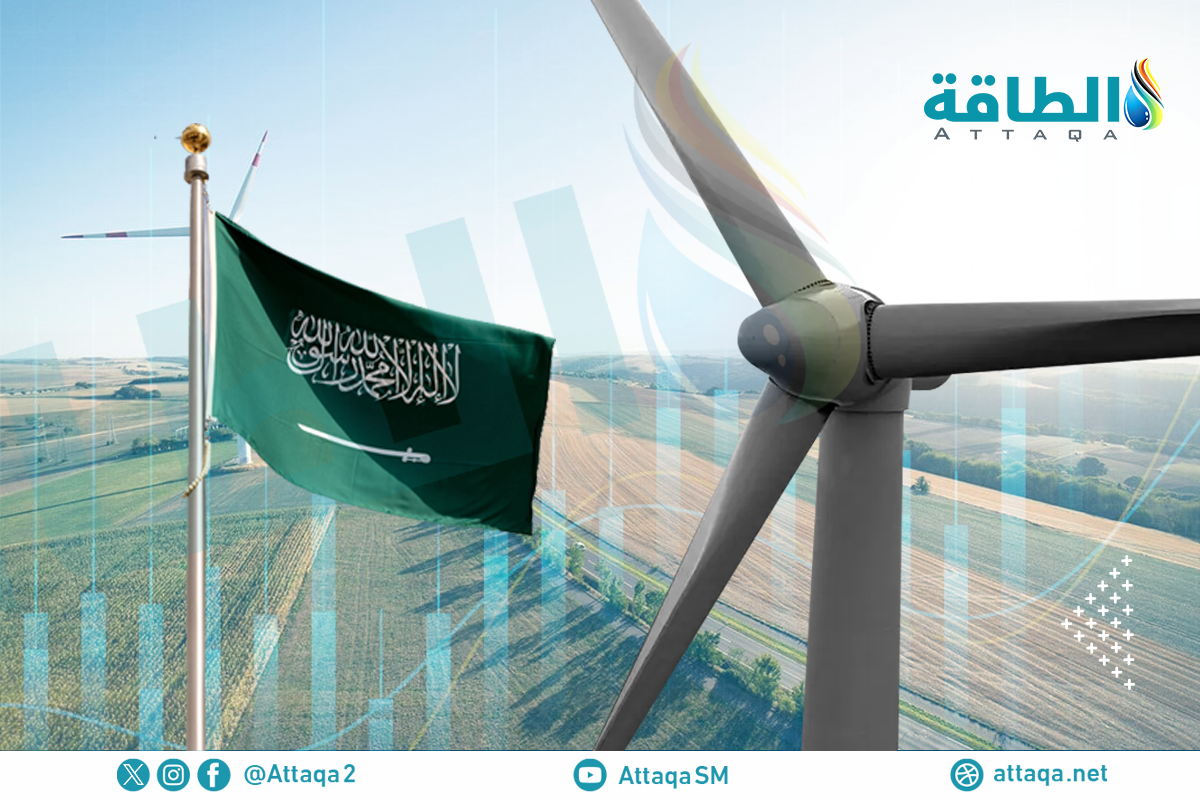
Recently, the الغاط wind energy project in Saudi Arabia marked a significant milestone by receiving its first large shipment at the Jubail Commercial Port. This delivery is a crucial step towards accelerating one of the largest renewable energy projects in the region as part of the National Renewable Energy Program. The shipment comprised key components such as towers, blades, and a massive generation unit, with a total load exceeding 65,000 cubic meters, highlighting one of the largest marine transport operations for wind equipment in the region.
Significance of the الغاط Wind Energy Project
The الغاط wind energy project stands as a significant initiative within Saudi Arabia’s transformation towards sustainable energy. It aims to deliver clean electricity at globally competitive costs, aligning with the nation’s goals of reducing carbon emissions and achieving the targets set forth in Vision 2030, which aims to elevate renewable energy’s share to 50%. The arrival of this shipment further solidifies الغاط’s position as a pivotal element in the national initiatives aimed at attracting global private sector investments in wind energy projects, ultimately leading to new opportunities for local technology adoption and job creation in the clean energy sector.
Details of the Shipment
The components received at Jubail are the largest shipment of this kind designated for a wind energy project within the kingdom. This vast load of approximately 65,000 cubic meters included numerous essential parts for the towers, turbine units, and the enormous blades. The logistics of this transfer involved careful coordination between the Saudi Ministry of Energy and the project management agencies, ensuring that all operations are on schedule with the national plan for expanding renewable energy sources and diversifying electricity generation methods.
Project Capacity and Impact
The الغاط wind energy project has a total capacity of around 600 megawatts, sufficient to power hundreds of thousands of homes across the kingdom with clean electricity. With a recorded production cost of just 1.57 cents per kilowatt-hour, it boasts the second-lowest cost globally for generating electricity from wind. This cost-effectiveness plays a crucial role in reducing the country’s reliance on fossil fuels for electricity production, contributing to a more sustainable energy landscape.
Looking Ahead
The successful reception of this shipment signals the project’s readiness for logistical preparations and advanced stages of construction. Anticipated completion of installation and component transport will enhance the execution timeline leading up to the projected commencement of trial operations. This shipment is a clear indication that the الغاط wind energy project is on the brink of entering its practical implementation phase.
Project Location and Future Plans
Situated in the Riyadh region, approximately 5 kilometers north of the city of الغاط and 3 kilometers south of Al Zulfi, the الغاط wind energy project is pivotal in supporting the nation’s goals for a low-carbon and environmentally sustainable economy. With a production capacity sufficient to service around 257,000 residential units, this project is poised to significantly reduce dependence on fossil fuels in Saudi Arabia’s electricity generation landscape. Notably, in December 2024, the Chinese company “Sepco 3” announced the commencement of concrete pouring at the الغاط wind energy project site, marking an essential step in its development.
This ambitious project is part of a power purchase agreement between the Saudi Electricity Company, known as the primary buyer, and a consortium led by Japan’s “Marubeni,” partnered with “Abdulaziz Al Ajlan and Sons Investment.” The company is set to purchase electricity generated by the الغاط wind energy project for a period of 25 years following the initiation of commercial operations, which is expected to begin by 2027, with construction activities slated for 2026. Overall, the الغاط wind energy project is an integral component of Saudi Arabia’s National Renewable Energy Program, aimed at achieving a 50% share of renewables in the energy mix by 2030 and supporting the overall diversification of the national economy.