
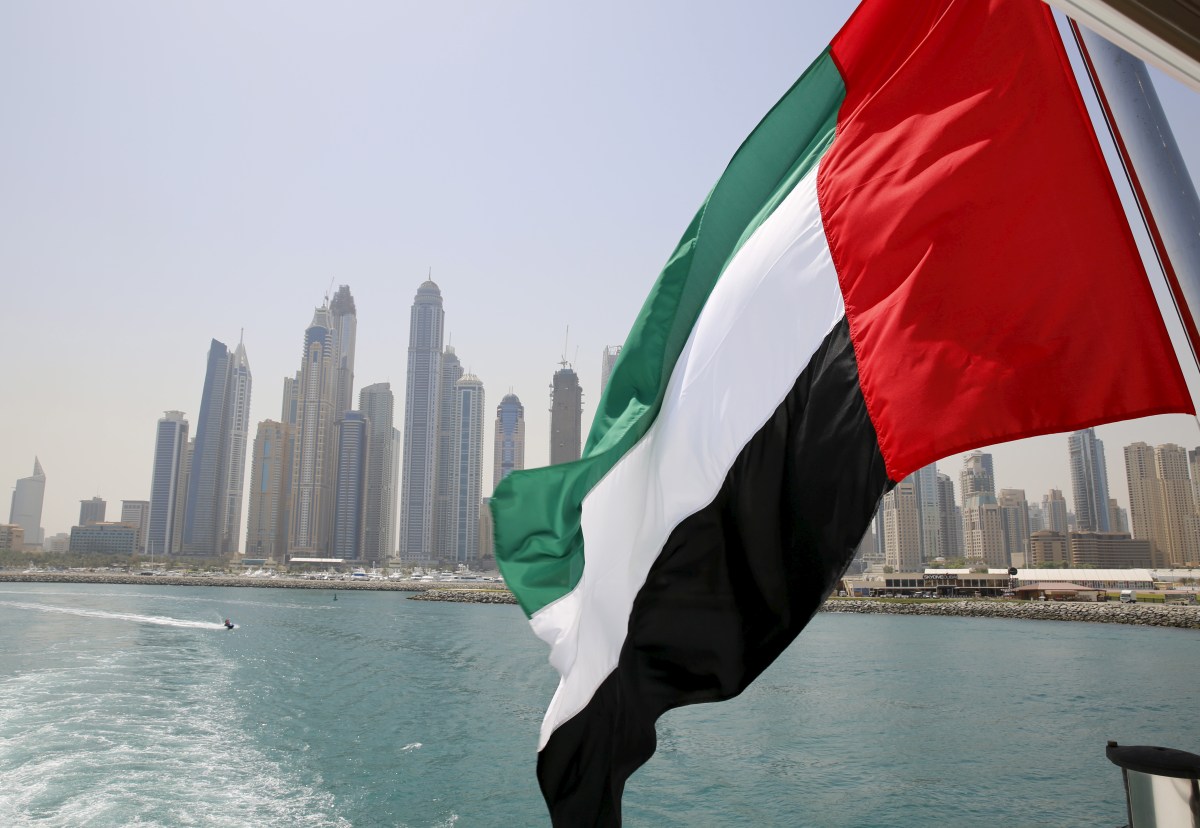
In a significant warning highlighting the Emirates‘ stance on regional politics, a senior Emirati official declared that Israel’s plans to annex parts of the West Bank represent a “red line” for the UAE. This statement underscores the escalating tensions and outlines the impact such actions would have on the normalization efforts initiated under the Abraham Accords. As the dynamics of the region evolve, understanding the implications of these plans is crucial for both diplomacy and peace.
Emirati Concerns Intensify Amid Regional Tensions
On Wednesday, the UAE conveyed strong objections to Israel’s proposals for annexing portions of the West Bank, marking one of its most pointed criticisms since the onset of the Gaza conflict in 2023. These remarks were made by Lana Nusseibeh, Assistant Minister of Foreign Affairs for Political Affairs, who emphasized that the annexation of any part of the West Bank is a critical issue for the UAE. “We see the agreements as a means to empower us to continue supporting the Palestinian people and their legitimate aspirations for an independent state,” she stated.
Impact on the Abraham Accords
Nusseibeh articulated that any move to annex the West Bank would severely undermine the “spirit and vision” of the Abraham Accords. These accords, signed during Donald Trump’s presidency, facilitated diplomatic relations between the UAE and Israel, among other Arab nations. The assistant minister called for the Israeli government to cease its settlement plans, stating, “Peace requires courage, perseverance, and a rejection of violence as a determinant of our choices.” Such sentiments indicate that the UAE is vigilant about any actions that threaten the hard-won agreements and the broader peace narrative in the region.
A Broader International Reaction
The Gulf Cooperation Council also expressed its disdain for the Israeli calls that advocate for deepening settlements and annexation, labeling these moves as “dangerous and suspect.” With tensions escalating, this reaction highlights a growing frustration among Arab nations regarding Israel’s intentions and its ongoing military actions in Gaza. The international community continues to scrutinize these developments, emphasizing the need for sustainable peace based on mutual respect and dialogue.
Future Diplomatic Endeavors
The implications of Israel’s plans to annex parts of the West Bank extend beyond immediate geopolitics; they threaten to erode the momentum gained through the normalization of relations as envisioned in the Abraham Accords. It remains uncertain whether Israeli Prime Minister Benjamin Netanyahu will endorse the controversial annexation plans promoted by Finance Minister Bezalel Smotrich. Meanwhile, the UAE’s proactive stance signifies a commitment to regional stability and a call for renewed dialogues aimed at achieving lasting peace.
Amid these turbulent dynamics, the UAE and Saudi Arabia are reportedly looking to discuss the broader implications in meetings, emphasizing a cooperative approach to finding a viable path toward lasting peace in the region that centers on a two-state solution. The call for a strategic, clear direction in diplomacy underscores an unwavering commitment to the well-being of all peoples in the region.