
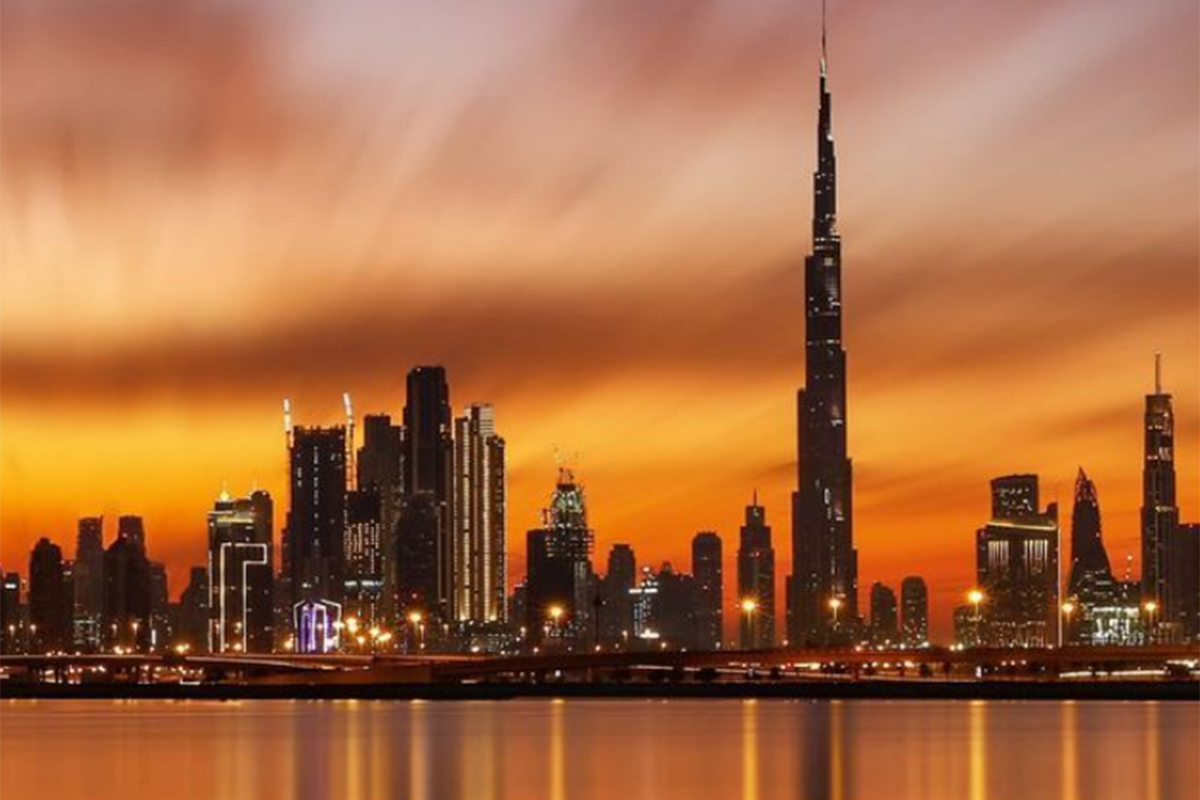
As Dubai‘s commercial real estate landscape evolves, the focus for 2026 is shifting noticeably towards offices, warehouses, and local retail establishments. This trend reflects a deliberate, strategic approach from investors, emphasized by a recent report from Chestertons MENA. With a stable regulatory framework and a gradual adaptation to market demands, the property wish list for the forthcoming years underscores the need for quality and functionality across diverse sectors.
Dubai’s commercial property market is set to enter a more measured phase in 2026, with investors focusing on off-plan offices, logistics and warehousing assets, and community-based retail, according to a new outlook from Chestertons MENA.
The consultancy stated that investor behavior is increasingly influenced by selective decision-making, backed by a stable regulatory environment and evolving demand across sectors and locations.
Recent updates to commercial regulations are anticipated to boost activity without leading to drastic shifts in overall investment volumes, particularly since most commercial licenses continue to require a physical office presence.
Dubai’s Commercial Market Enters a Balanced Phase
Off-plan office space is poised to remain a crucial area of interest, driven by a shortage of high-quality options and ongoing demand from businesses eager to secure premises early. Established districts such as Business Bay, Jumeirah Lake Towers, and Barsha Heights are likely to maintain their attraction, while emerging communities like Jumeirah Village Circle and Arjan are starting to see dedicated commercial developments come to life.
Demand for logistics and warehousing assets is also expected to strengthen, underscored by Dubai’s role as a regional trade hub and its extensive transportation and free zone infrastructure. Industrial areas such as Dubai Investment Park, Dubai Industrial City, National Industrial Park, and Al Quoz are benefiting from decentralization, as businesses seek proximity to growing residential populations and key transport corridors.
In terms of retail investment, the trend is shifting toward neighborhood and community centers instead of large destination malls. Chestertons indicated that locally driven footfall and daily-use retail are increasingly preferable, while the demand for mixed-use buildings with shared residential facilities remains somewhat limited. This is largely because corporate occupiers continue to show a preference for purpose-built commercial spaces.
The outlook also illustrates contrasting strategies between domestic and international investors. Overseas investors are likely to remain engaged in office and retail sectors, enticed by more straightforward ownership and management frameworks. In contrast, domestic investors are expected to dominate logistics and warehousing developments, which generally involve longer execution timelines and require more hands-on management.
Mohamed Mussa, Executive Director of Chestertons MENA, remarked: “Dubai’s commercial market is entering a more measured phase, where clarity and selectivity matter more than speed. Investors are prioritizing quality, location, and long-term performance, which is a healthy sign for the market overall.”
According to the consultancy, investors in 2026 are increasingly focusing on balancing rental income with long-term capital growth, indicating a growing emphasis on asset resilience and sustainable returns as the market continues to mature.