
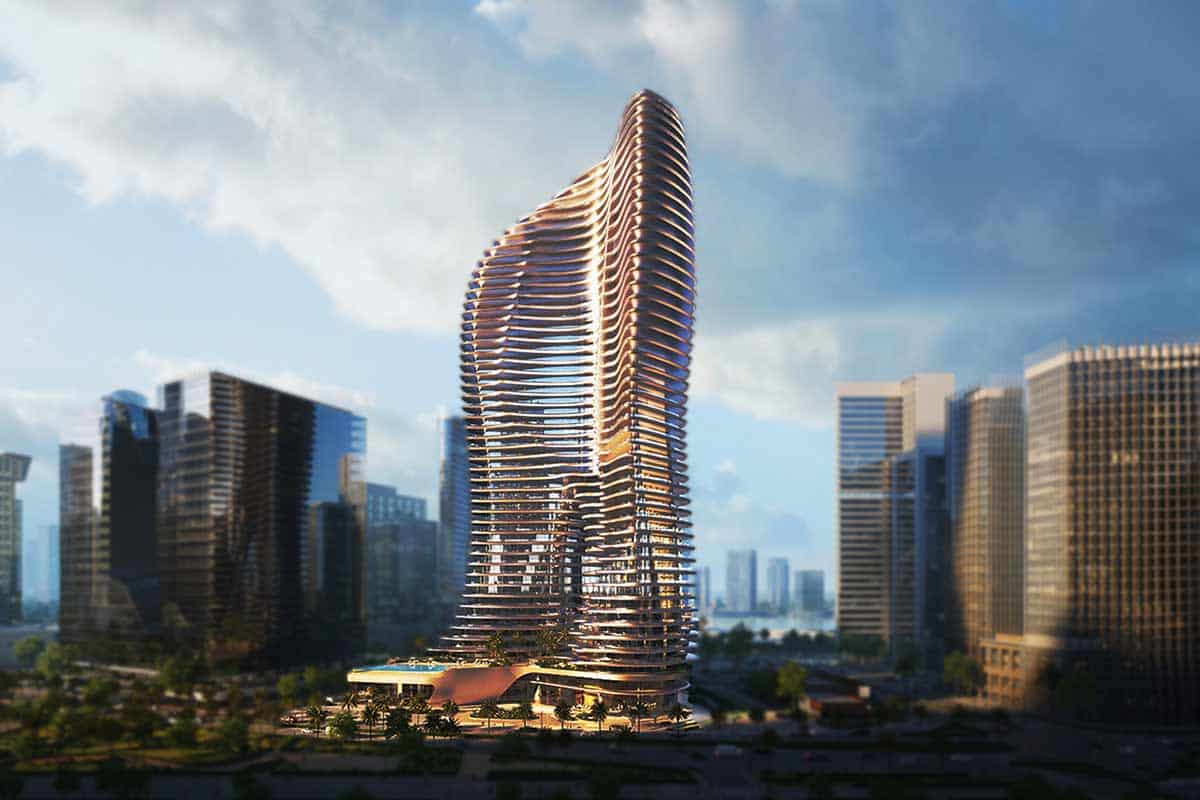
Dubai is reshaping the landscape of luxury living, setting a global standard for branded residences with a remarkable projection of 140 new projects by 2031. A recent report highlights the emirate’s leadership in this burgeoning sector, where developers from automotive, fashion, and hospitality brands are producing homes that can exceed traditional property prices by as much as 198 percent. This transformation reflects a significant shift in both lifestyle and investment considerations in the real estate market.
Over the past decade, the global branded residences sector has skyrocketed by 160 percent, with Dubai at the helm of this explosive growth. Currently, the city is home to 61 completed branded residences and has an ambitious 100 more in development, creating the world’s largest pipeline of these exclusive properties.
The Rise of Luxury Brands in Real Estate
“Luxury real estate is evolving. A home is no longer simply where you live, but a reflection of identity and aspiration,” said Louis Harding, CEO of Betterhomes. He emphasized that branded residences in Dubai already command around a 40 percent premium over traditional homes. With more than 140 projects set for delivery by 2031, the city is undeniably leading a global shift in how people perceive living and investing in real estate.
This trend is not just confined to well-known hotel brands like Ritz-Carlton and Four Seasons; it now extends to luxury automotive brands, high-fashion names, and wellness companies. Notable entrants such as Bugatti, Mercedes-Benz, Armani, and Six Senses are making their mark in Dubai’s residential arena, further elevating the landscape of luxury living.
Financial Impact of Brand Association
The financial metrics reinforce the significance of brand association in the real estate market. Each branded residence, such as the Bugatti Residences in Business Bay, can command stunning premiums close to 198 percent, while properties like the Armani Beach Residences and Mercedes-Benz Places achieve impressive premiums exceeding 130 percent compared to their non-branded counterparts.
“What we’re seeing is the evolution of luxury real estate into something more personal, a home that mirrors the client’s identity and aspiration. In Dubai, branded residences consistently outperform the market, often achieving premiums of over 100 percent,” Harding continued. The Middle East and North Africa (MENA) region is forecasted to hold a quarter of global supply by 2030, solidifying Dubai’s position as the benchmark for lifestyle-led investment.
The Broader Implications for Residents and Investors
The rise of branded residences signifies not just a shift in lifestyle for residents, but also substantial financial benefits for investors. These properties tend to show stronger resale values and quicker sales cycles compared to traditional homes, making them an attractive option for buyers seeking both luxury and investment potential.
With over 140 branded residential projects set for completion by 2031, Dubai is well on its way to asserting its leadership in this burgeoning market. The broader MENA region is projected to account for 25 percent of the worldwide branded residence supply by 2030, with Dubai leading this ambitious growth trajectory.
The evolving pattern in Dubai’s real estate market indicates a transformation from properties that serve merely as places to live into residences that embody personal branding and lifestyle preferences. Buyers are increasingly willing to invest substantial premiums for the enhanced prestige and lifestyle offered by these branded homes.