
In a significant advancement for Dubai‘s infrastructure, the Roads and Transport Authority (RTA) has recently awarded a contract for the طرق دبي project, aimed at upgrading various key streets, including Um Suqeim, Al Wasl, Al Safa, and Jumeirah. This comprehensive initiative is poised to enhance traffic flow and accommodate the rapid urban growth in the emirate, ultimately improving the quality of life for residents and visitors alike.
On April 26, 2026, Dubai’s RTA confirmed that the project would focus on the redevelopment of Um Suqeim Road from its intersection with Jumeirah Road to Al Khail Road, the enhancement of Al Wasl Road from its junction with Um Suqeim to its intersection with Al Second of December Road, and the renovation of Al Safa Road from Sheikh Zayed Road to Al Wasl Road. Moreover, the project will upgrade seven intersections on Jumeirah Road, incorporating a total of approximately 11 kilometers of bridges and tunnels.
Project Features and Benefits
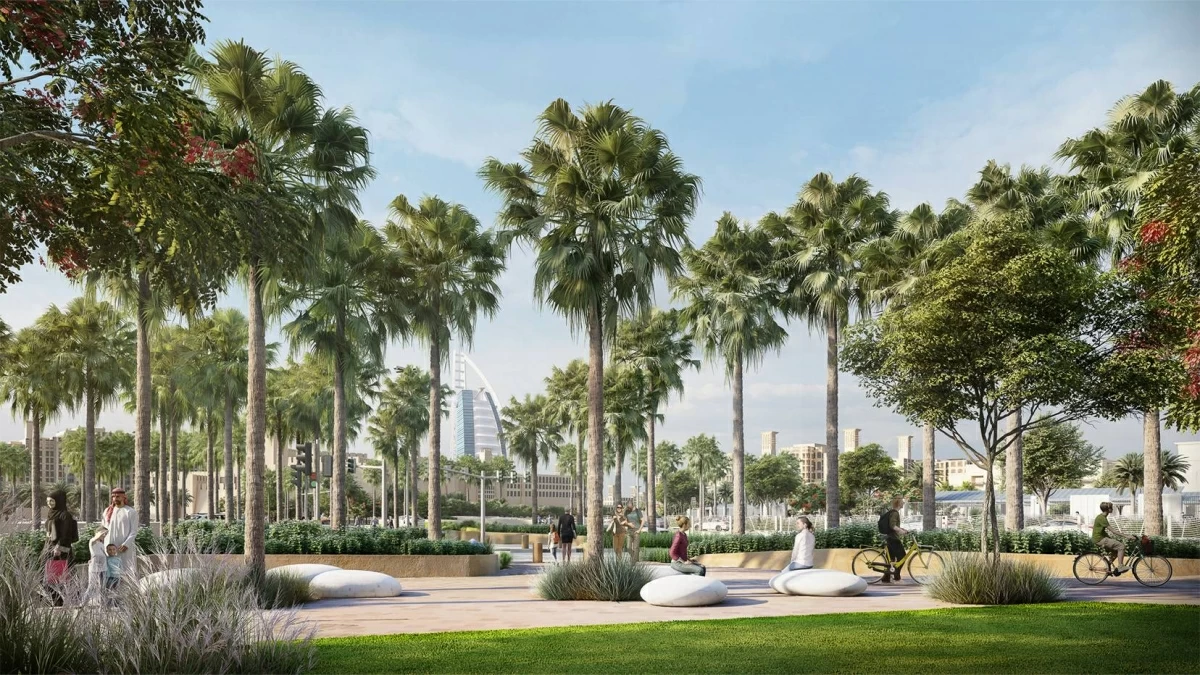
The ambitious project aims to increase the capacity of Um Suqeim Road to handle up to 16,000 vehicles per hour in both directions, while Al Wasl and Al Safa Roads will each be upgraded to accommodate 12,000 vehicles per hour. Beyond road expansion, the project intends to incorporate aesthetic and creative elements, improving the area’s pedestrian pathways and establishing dedicated bike lanes to promote safe and accessible roads for everyone. Public squares and urban spaces will also be developed to enhance community interaction and provide vibrant environments.
Strategic Importance
Matar Al Tayer, Director General and Chairman of RTA, emphasized that this initiative fits into an overarching plan to improve the road network in areas serving a dynamic mix of modern amenities, including beaches, hotels, dining, and educational institutions. With a resident population exceeding two million, this development is crucial for accommodating the ongoing urban and demographic growth in Dubai.
Enhancements Across Key Streets
The project encompasses six intersections on Um Suqeim Road, featuring the construction of four bridges and two tunnels totaling 4,100 meters. Key improvements include enhanced traffic flow at various junctions and the addition of lanes to facilitate smoother commutes. Similarly, the upgrade to Al Wasl Road will extend over 15 kilometers, transitioning it from two to three lanes in each direction, thereby reducing travel times by 50% across this crucial corridor.
Accelerating Infrastructure Development
Among the significant elements of this initiative is the redevelopment of Al Safa Road, which will also see its capacity rise from 6,000 to 12,000 vehicles per hour in both directions. The installation of two new bridges and tunnels will improve connectivity while safeguarding pedestrian access. Overall, the طرق دبي project is expected to create a more efficient traffic system, further solidifying Dubai’s reputation as a leader in innovative urban infrastructure.