
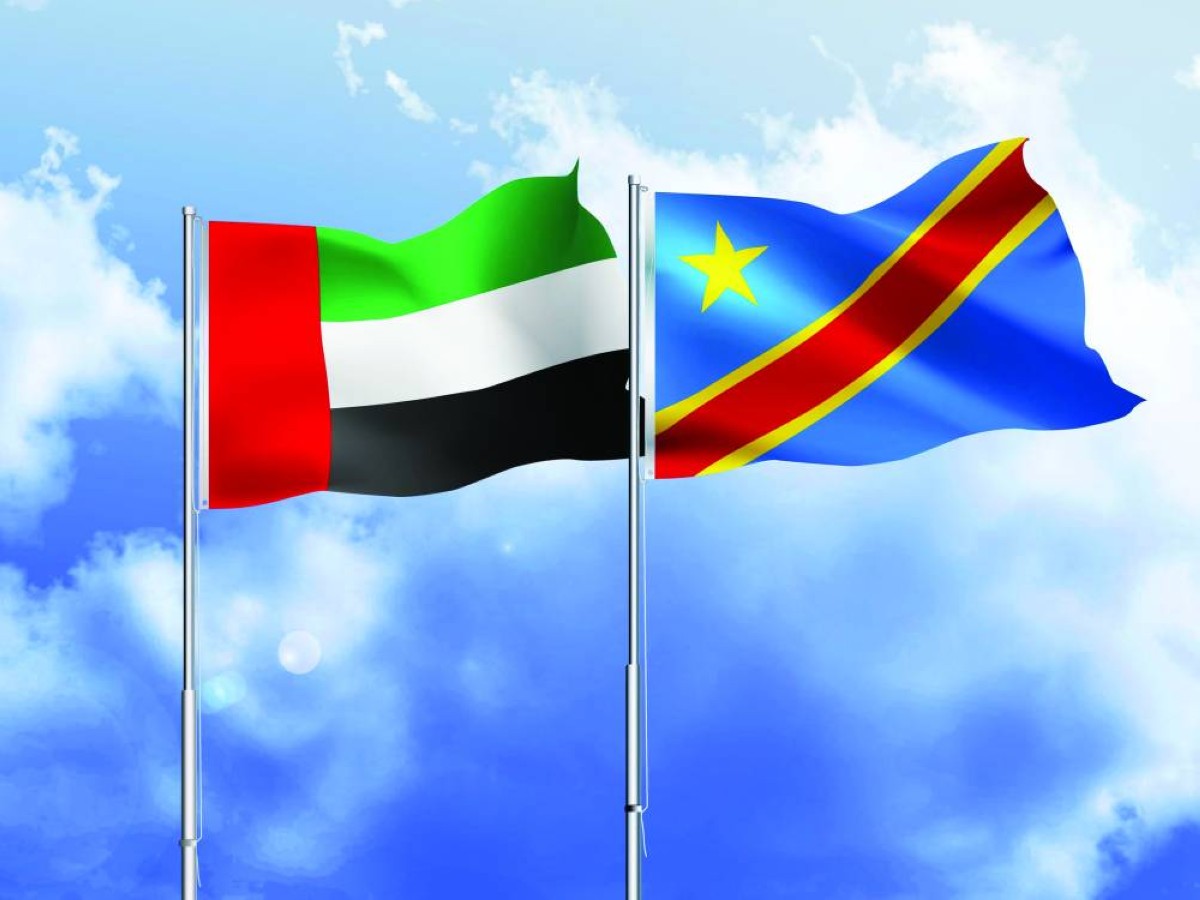
The Comprehensive Economic Partnership Agreement (CEPA) between the United Arab Emirates and the Democratic Republic of the Congo officially came into effect yesterday, marking the beginning of a new phase in trade and investment cooperation between the two nations. This agreement aims to eliminate tariffs on the vast majority of tariff items, streamline customs procedures, and remove unnecessary barriers to trade.
The CEPA is designed to enhance trade flows and facilitate mutual investments in key sectors such as logistics, energy, and manufacturing, further supporting the economic growth ambitions of both countries.
Dr. Thani bin Ahmed Al Zeyoudi, Minister of Foreign Trade, stated that the enforcement of this agreement provides an important gateway for the UAE private sector to access African markets. He remarked, “The UAE’s ambitions in foreign trade are based on connecting our markets with promising growth economies around the globe.”
The activation of the CEPA with the Democratic Republic of the Congo is a significant step towards meeting the targets of the UAE’s economic agenda, as it amplifies access to markets in a country with advanced developmental programs and opens doors to a broader region rich in opportunities for Emirati exporters, investors, and industrial sectors.
He added, “We look forward with optimism to the opportunities the agreement will create for expanding trade exchange, deepening cooperation between the private sector in both countries, and building strategic partnerships. We welcome the framework it provides to support the economic growth objectives of both sides.”
Economic Significance of the DRC
The Democratic Republic of the Congo is one of the ten largest economies in Africa, boasting a Gross Domestic Product (GDP) of $122.28 billion and a growth rate of 5.2%. Its strategic geographical location, sharing borders with nine countries, makes it a crucial gateway for expanding trade in Central and East Africa.
Rich in natural and mineral resources, the DRC is the largest producer of cobalt globally, accounting for over 70% of world supply, and is the largest producer of copper in Africa. It is also a significant source of gold, tin, tantalum, and tungsten—essential minerals for the production of electrical components and technologies associated with energy transition.
Growing Trade Relations
The implementation of the CEPA comes at a time of growing trade relations between the two nations, with non-oil bilateral trade reaching $3.5 billion in 2025, reflecting a remarkable growth of 38.5% compared to 2024. The DRC represents an important market for UAE exports, including vehicles, machinery, electronics, and construction materials. Conversely, the UAE plays a pivotal role as a gateway for DRC exports to global markets, ranging from minerals to food products and cotton and other agricultural goods.
Strategic Framework
The CEPA framework forms a fundamental pillar of the UAE’s economic vision, which aims to establish stronger, more integrated trade relations with the world’s most dynamic markets. The UAE has signed a total of 40 Comprehensive Economic Partnership Agreements with countries worldwide, with 20 of those agreements currently in force.