
In an era defined by rapid technological advancements and heightened social tensions, Trends has announced the launch of the AI4ID project, a groundbreaking initiative aimed at fostering interfaith dialogue enhanced by artificial intelligence. This project, unveiled alongside the 2025 International Muslim Brotherhood Influence Index, underscores the growing importance of integrating technology into conversations about faith, tolerance, and global understanding.
Abu Dhabi (Al-Ittihad) – The Trends Research and Advisory Center has announced the launch of the AI4ID initiative for “Interfaith Dialogue Enhanced by Artificial Intelligence,” coinciding with the release of the 2025 International Muslim Brotherhood Influence Index and the hosting of a high-level international dialogue session featuring a select group of researchers, experts, and international academic institutions, both in-person and remotely.
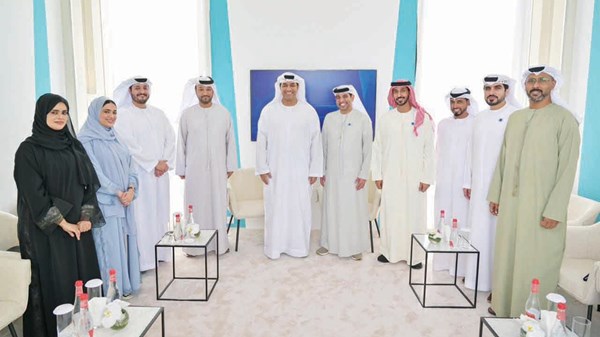
The launch of the initiative and index took place from Trends’ office in Dubai, supervised by its virtual offices in Canada and France, within a comprehensive intellectual framework that reflects Trends’ holistic approach to understanding transformations in the global landscape. The event combined a precise scientific diagnosis of the influence of political Islam groups with the presentation of cognitive and ethical alternatives that utilize artificial intelligence to enhance dialogue and tolerance, and to confront polarization and extremism.
The Importance of the AI4ID Initiative
In his opening remarks, Dr. Mohammed Abdullah Al-Ali, CEO of Trends Research and Advisory Center, emphasized that the simultaneous launch of the AI4ID initiative and the 2025 Muslim Brotherhood Influence Index is not merely coincidental; it reflects a firm conviction that combating extremism begins with understanding narratives and mechanisms of influence and deconstructing them, rather than relying solely on security solutions.
Dr. Al-Ali explained that artificial intelligence is no longer a neutral technical tool; it has become a key player in shaping collective consciousness and reproducing religious and political discourse. He stressed that the AI4ID initiative aims to transform technology from a factor of polarization into a force for mediation and peacebuilding.
Strategic Partnerships and International Support
The initiative titled “Artificial Intelligence and Interfaith Dialogue: Humanities and Technologies in the Service of Peace” reflects a strategic collaboration with several prestigious institutions. Partners include Trends, Mohammed bin Zayed University for Humanities, and the Montreal Institute for Learning Algorithms (MILA), providing a high-level scientific and technical framework.
The project will span three years, starting with analytical mapping focused on international practices and leading to the design of AI-based models to facilitate interfaith dialogue. These efforts aim to address any tensions that may arise in the digital arena, with the goal of using technology as a tool for rapprochement between religions rather than as a means of division.
Challenges and Innovations
The AI4ID project is part of proactive efforts to address the misuse of artificial intelligence, promoting values of tolerance and advocating for moderate discourse. Maqsoud Cruz, the U.S. State Department’s Special Envoy for Countering Extremism and Terrorism, described this initiative as “an exceptional hub that combines technological innovation with a noble humanitarian message.”
In this context, participants in the dialogue session highlighted the need to create modified algorithms capable of detecting hate speech. This challenge is one of the obstacles the project seeks to overcome while focusing on achieving tangible results that enhance understanding between religions.
In light of the growing need for values of tolerance and peace in today’s world, the AI4ID initiative reflects the UAE’s commitment to fostering dialogue and supporting projects aimed at promoting peaceful coexistence among diverse cultures.