
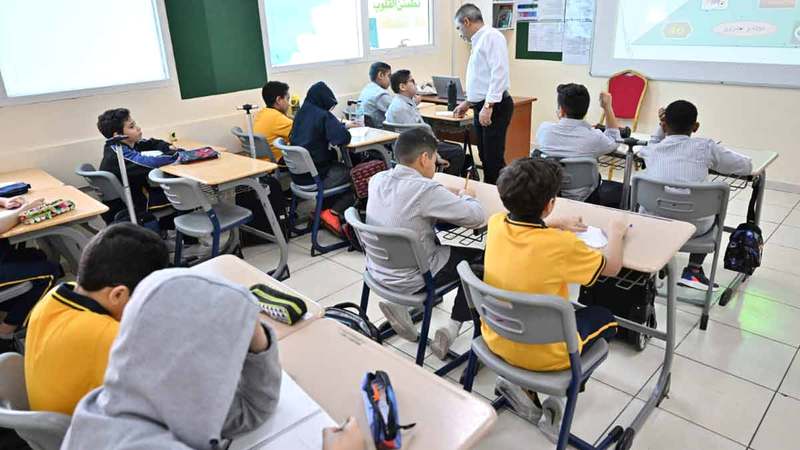
The Department of Education and Knowledge in Abu Dhabi has outlined a binding ethical framework for teachers, administrators, and staff within private and partnership schools in the emirate. This framework specifies both positive professional behaviours and those deemed unprofessional, which are strictly prohibited.
Commitment to Integrity and Professionalism
The directive emphasises the importance of upholding the highest standards of integrity, respect, and impartiality within classrooms and in interactions with colleagues, community members, and students’ families.
In detail, private schools are required to have their teachers, administrators, and staff sign a professional and ethical charter based on the ethical guidelines established by the Department of Education and Knowledge. This charter aims to lay a solid foundation for ethical and professional conduct in schools governed by the department and to enhance ethical standards through clear guidance on expected behaviours.
Key Ethical Standards
The standards incorporate respect for national identity and Emirati cultural values. Educators are urged to foster an atmosphere of respect and appreciation within their school communities and to cooperate in ways that serve the best interests of students and the teaching profession. Compliance with government laws and regulations is mandatory, as is reporting any violations of the law, while adhering to best practices in digital activities for the protection of both their own and their students’ digital safety.
Additionally, staff must refrain from participating in or facilitating any form of student or employee abuse both inside and outside school limits. They are also required to report any witnessed instances of misconduct, respect individuals from diverse religious, ethnic, or cultural backgrounds, and ensure all classrooms and workplaces are free from discrimination. This includes fair treatment of students and colleagues, particularly those with special educational needs or disabilities.
Ongoing Professional Development
Staff are expected to maintain honesty and integrity in their work, stay informed of relevant UAE laws, and obtain prior approval for providing private tutoring outside school hours, as mandated by the Ministry of Human Resources and Emiratisation. Continuous professional development is essential to keep pace with best practices and ensure the security and integrity of digital identity and information. Staff should engage with students in assessing the reliability of digital information and employ technology such as artificial intelligence responsibly and ethically.
Furthermore, educators should help students recognise and address cyberbullying, understand whether they are victims or perpetrators, and avoid plagiarism and intellectual property theft, closely monitoring the use of stolen materials in student work. They are encouraged to implement positive corrective measures while raising awareness of best practices, ensuring that school facilities are safe for students.
Prohibited Behaviours
The prohibited behaviours include discrimination against any member of the school community, harassment based on religion, race, origin, social status, age, or gender, and engaging in actions that lead to racism, bullying, or other forms of discrimination. Additionally, wearing inappropriate clothing or clothing deemed culturally insensitive, as well as engaging in behaviour counter to the professional and ethical charter, is strictly forbidden.
Other banned actions encompass spreading false rumours or damaging a colleague’s reputation, leaking confidential information about others, obstructing colleagues from performing their official duties, falsifying professional qualifications, and partaking in plagiarism or covering up reported violations. Staff must also refrain from issuing comments or statements that could harm the education system’s reputation, giving private lessons to students enrolled in their schools, or using work devices improperly, as well as sharing pictures of students’ screens or their work containing personally identifiable information.
Inappropriate remarks, physical contact—even in jest—or any form of abuse towards students or staff are strictly prohibited. Failure to report incidents of abuse, using social issues to incite extremist behaviour, or exploiting social causes for personal gain through fraudulent means are also unacceptable.
Compliance and Accountability
The Department of Education and Knowledge has clarified that schools must establish and disseminate employee conduct rules aligned with the professional and ethical charter for educational institutions. Non-compliance with the ‘Professional Ethics Code’ may expose schools to legal accountability and sanctions per the relevant regulations and policies, alongside the public law governing crimes and penalties in the UAE. The department retains the right to intervene should any school breach its commitments.
The Department of Education and Knowledge emphasises the need to protect student data, enhance digital safety, and combat cyberbullying.