
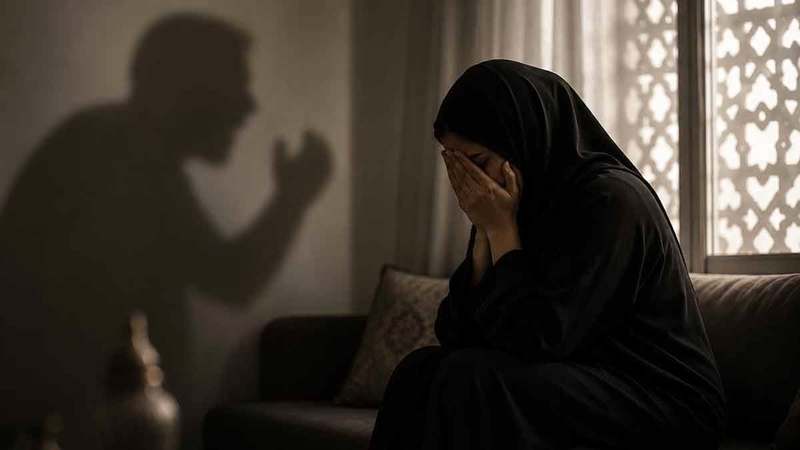
The Dubai Foundation for Women and Children has revealed a concerning trend among victims of violence who are reluctant to seek help due to the pervasive cultural acceptance of abuse as a “normal” behaviour. This highlights the critical need for awareness and early intervention in cases of domestic violence.
Signs of Abuse
The foundation has outlined specific physical, psychological, and social indicators that suggest an individual may be experiencing violence. Physical signs often include fractures, cuts, bruises, and injuries resulting from physical abuse. Psychologically, victims may suffer from persistent anxiety, fear, isolation, and difficulty in forming positive relationships. Furthermore, victims might also experience restrictions that hinder their normal activities, such as education or employment, along with financial deprivation concerning alimony, inheritance, or ongoing financial support.
Understanding Different Forms of Violence
It’s crucial to understand that violence encompasses various types of abuse, including verbal, psychological, emotional, sexual, economic, and digital violence, as well as bullying in its many forms. The foundation emphasises that a comprehensive assessment of violence must take into account all these forms of abuse.
Encouragement to Seek Help
Women who feel that their relationship has turned unsafe or who recognise a recurring pattern of abuse or control are encouraged to reach out for support. They can contact the foundation via the hotline 800111 for social, psychological, or family counselling. The foundation warns against delaying action until violence escalates, as early intervention can be crucial in preventing further issues and safeguarding the victim’s well-being, whether they are women or children.
Barriers to Seeking Support
Many women hesitate to seek help due to various factors. Fear of societal judgement and the stigma attached to reporting violence often impede their willingness to reach out. Concerns about the potential reaction of the abuser and the possibility of worsening the situation post-reporting are also significant deterrents. Financial dependency, particularly in cases where the abuser is the primary source of income, adds another layer of complication. Additionally, some women hold misconceptions regarding the risk of losing custody of their children or facing adverse repercussions for reporting abuse.
Differentiating Between Conflict and Violence
The foundation distinguishes between common family conflicts and outright violence. While familial disagreements can arise from differing opinions and do not inherently suggest a lack of love or respect, explicit violence manifests as physical or verbal assault, financial deprivation, neglect, and coercive behaviours. Such actions are unhealthy and require legal intervention based on their nature and the overarching laws in place.
Awareness of Subtle Abuse
Some behaviours may not be immediately recognised by women as forms of violence, with cultural contexts influencing their perception of abuse. Actions that might be deemed acceptable or normal in one environment could be interpreted as abusive in another. Consequently, it is essential to analyse these behaviours within the framework of cultural norms and existing legal standards.
Support Procedures
The foundation follows a structured approach when handling reports of violence, initiating the process with the reception of calls, categorising them, and documenting them in a case management system based on the required service or counselling. Following this, all communications are assessed and the cases featuring violence are classified for level of risk. These cases are then allocated by the administration to case managers or psychological counsellors based on individual needs.
Upon evaluation, a tailored support plan—encompassing social, legal, and psychological assistance—is formulated according to the specifics of each case. Continued monitoring of these support plans is ensured by specialised professionals, with a steadfast commitment to confidentiality and privacy, aimed at achieving the intended outcomes based on the unique needs of each individual.
DUBAI FOUNDATION FOR WOMEN AND CHILDREN:
• We handle reports of violence through procedures designed to safeguard the reporter’s safety, assess risk levels, and furnish appropriate support.