
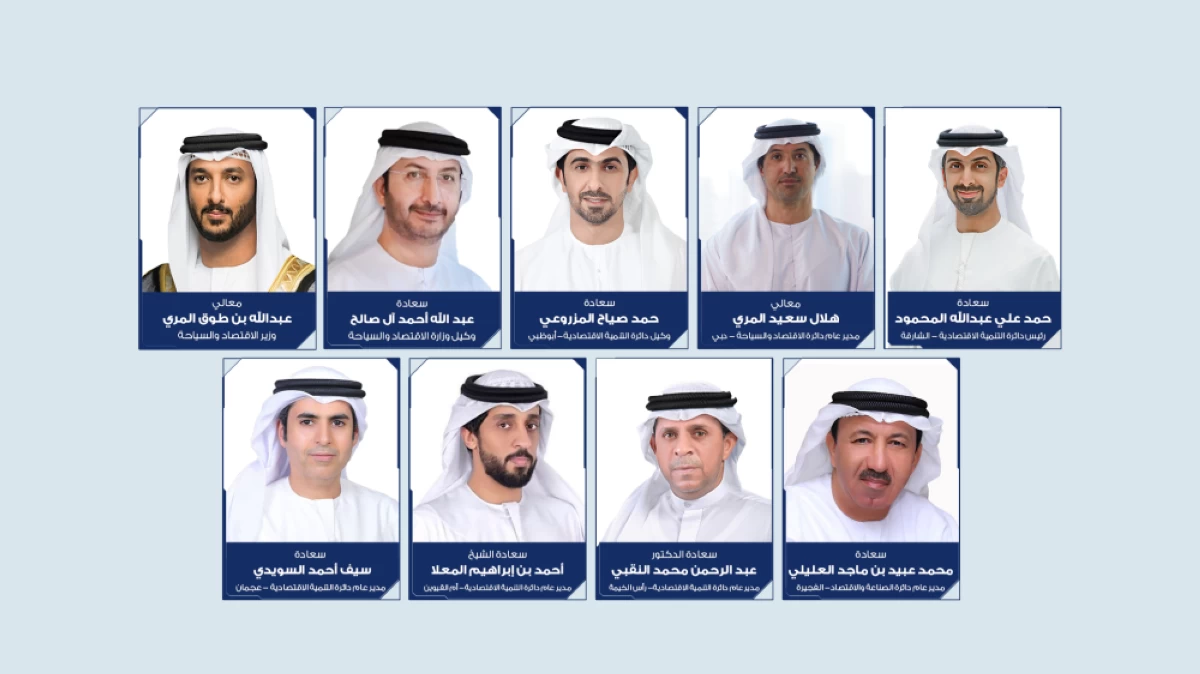
On 29 July 2026, the Economic Integration Committee held a pivotal meeting chaired by Abdullah bin Touq Al Mari, the Minister of Economy and Tourism. This assembly brought together directors of economic departments to discuss initiatives aimed at bolstering the competitiveness of the legislative framework in combating money laundering and financing terrorism, thereby reinforcing investor and business confidence in the national economy.
Strengthening Legislative Frameworks
During the meeting, the committee reviewed a report from its previous session, which outlined crucial recommendations. These included enhancing oversight of retail outlets, developing tracking mechanisms to maintain market balance, protecting consumer rights, and ensuring the sustainability of supply chains within the UAE. Initiatives aimed at fostering growth in intellectual property sectors were also discussed.
Commitment to Advanced Digital Infrastructure
Abdullah bin Touq emphasised the UAE’s dedication to developing an advanced digital infrastructure for legislative and policy frameworks in line with global best practices. The country has launched a new system for regulations powered by artificial intelligence, alongside a national programme to enhance statistical systems. These efforts aim to prepare the national economic framework and support the UAE’s goal of becoming a global leader in proactive legislative development for emerging economic sectors, aligning with the “We are the UAE 2031” vision.
Market Protection Measures
According to Bin Touq, the committee meetings are essential for fostering coordination and integrating national efforts to innovate further initiatives and projects. These discussions enhance the strength of the legislative environment, support competitiveness, and ensure market stability. It is crucial to maintain an efficient national economy capable of adapting to economic changes, achieving sustainable growth, and bolstering the UAE’s competitive position internationally.
Corporate Governance and Business Facilitation
The committee also deliberated on corporate governance mechanisms within the UAE, focusing on their role in streamlining diverse economic activities. Improving the quality of services provided to the business community and stakeholders was recognised as vital for the UAE to maintain its status as a premier global economic hub.
Proactive Measures for Market Challenges
The committee underscored the importance of ongoing monitoring of market developments and basic commodity prices. Proactive strategies will ensure the state is equipped to respond to any challenges that may affect supply chains. This vigilance will help maintain market stability, guarantee accessibility of goods, and foster consumers’ confidence in the business environment. The committee members were updated on the efforts of the task force responsible for monitoring essential commodity prices, which includes representatives from the Ministry of Economy and Tourism, economic departments, and relevant national bodies. This team is dedicated to enhancing market oversight and ensuring transparent and fair tracking processes.
Enhancing the Leasing Sector
Furthermore, the meeting featured a presentation by the Ministry of Economy and Tourism on regulating leasing activities for legal entities not governed by the Central Bank of the UAE. The importance of leasing in supporting small and medium enterprises was highlighted, particularly its role in allowing companies to acquire equipment without substantial capital investment. The initiative aims to diversify funding sources and encourage global leasing firms to enter the UAE market. Sectors like industry, logistics, healthcare, and technology are expected to benefit significantly from these developments, which include leasing examples such as trucks, aircraft, IT systems, and medical equipment.