
The upcoming event, “آيكوم دبي 2025,” is poised to significantly enhance the global presence of Arab museums. As the largest international conference dedicated to museums, it promises to reshape how the Arab cultural narrative is perceived on the world stage. With a focus on innovative solutions and collaborative efforts, “آيكوم دبي 2025” aims to elevate the voice of Arab institutions, showcasing their contributions to heritage preservation and cultural development.
Empowering Arab Museums
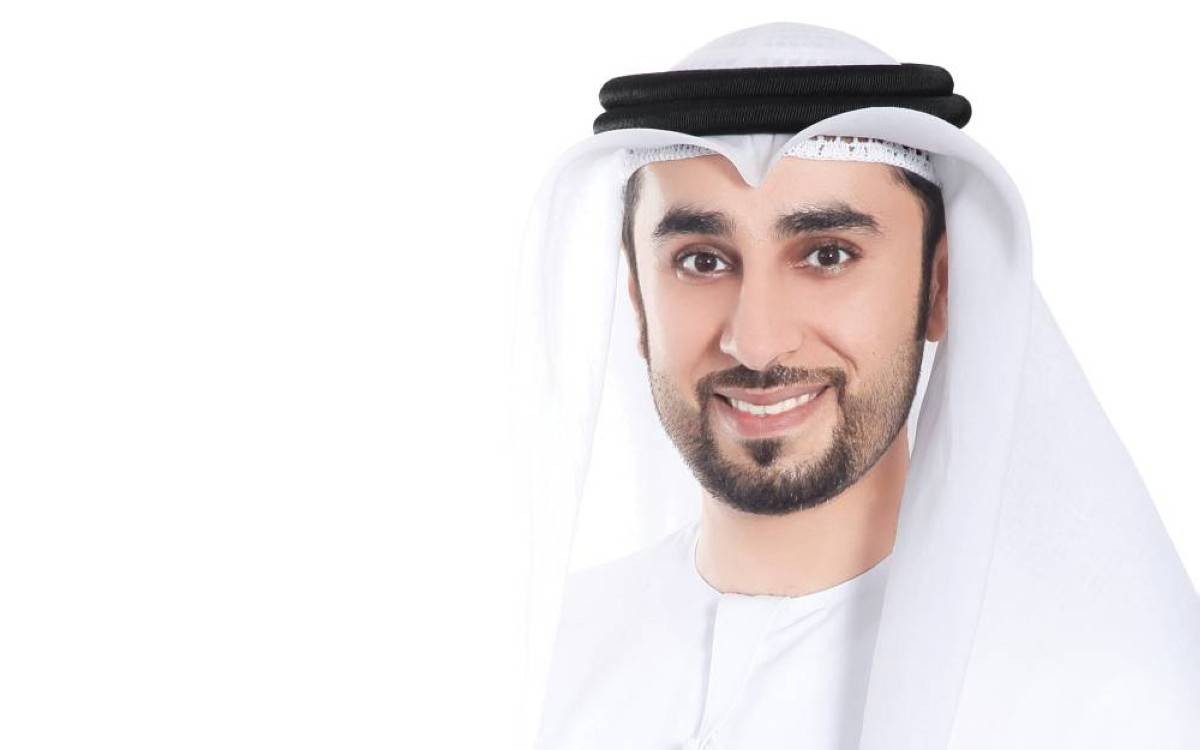
Nasser Al-Darmaki, President of “ICOM UAE,” shared in an exclusive statement to “Al-Bayan” that the UAE’s successful hosting of the 27th General Conference of the International Council of Museums, “آيكوم دبي 2025,” has remarkably increased the representation of Arab museums to over 20%. This marks a substantial leap from a mere 3% at the previous conference held in Prague. The growth in representation will significantly bolster the global presence of these museums.
Widespread Participation
The conference is set to witness broad participation from various Arab nations, including the UAE, other Gulf countries, Egypt, Iraq, Tunisia, and more. Numerous papers and research projects will be presented, highlighting the region’s experiences in heritage preservation and museum development. Al-Darmaki emphasized that the primary challenge for Arab countries lies in “the reluctance to participate and the absence of an Arab voice in international forums.” Therefore, “آيكوم دبي 2025” is envisioned as a global platform that motivates Arab talents to introduce innovative ideas, fueling significant cultural projects that strengthen identity and safeguard the historical and civilizational heritage of the nation.
A Milestone for Dubai’s Cultural Journey
Described as the largest international conference for museums worldwide, “آيكوم دبي 2025” is expected to attract over 4,500 participants, including museum experts and thought leaders from around the globe. This event represents a pivotal milestone in the cultural journey of Dubai and the UAE, enhancing Arab visibility and expanding dialogue among museum experts and institutions on a global scale. Al-Darmaki noted that each edition of the conference aims to assess and discuss the outcomes and recommendations derived from participant contributions and scientific committees, including the submitted papers. He expresses optimism about the current edition, given the scientific momentum and the high-quality attendance of specialists.
Innovative Proposals and Future Directions
Among the proposals anticipated at the conference is the potential establishment of a global fund or endowment dedicated to supporting museum research and archaeological excavations worldwide. This initiative could play a crucial role in preserving the rich heritage of humanity and protecting its cultural components for future generations. The conference also aims to facilitate the exchange of insights, knowledge, and ideas regarding “the future of museums in rapidly changing societies.” Discussions will cover museum policies and ways to empower these institutions to address the fast-evolving demographic, technological, and environmental challenges in contemporary societies. The exploration of innovative solutions will enhance the presence of museums and underscore their responsibilities towards communities, heritage, and shared values, reflecting the diversity of cultural identities.