

The luxury watch and jewellery market in Qatar is experiencing a remarkable surge, even as global luxury spending reaches a plateau. With its robust economic framework and an affluent consumer base, the demand for luxury watches and jewellery in Qatar is expected to expand substantially over the coming years. Forecasts suggest a growth rate of 2.11 percent from 2025 to 2029, highlighting the nation’s unique position in an otherwise stagnant global market.
Doha has firmly established itself as a pivotal player in the luxury landscape, with a noticeable increase in the demand for high-end timepieces each year. According to data from Statista, forecasts indicate that revenue from Qatar’s luxury watches and jewellery sector could reach approximately $613.50 million by 2025.
In stark contrast, global luxury spending is projected to total $1.54 trillion in 2024, reflecting a decline of roughly 3 percent, based on the latest Luxury Study by Bain & Company. This disparity emphasizes Qatar’s unique market dynamics amidst a broader downturn in luxury consumption.
Doha’s Growing Demand for Luxury Goods
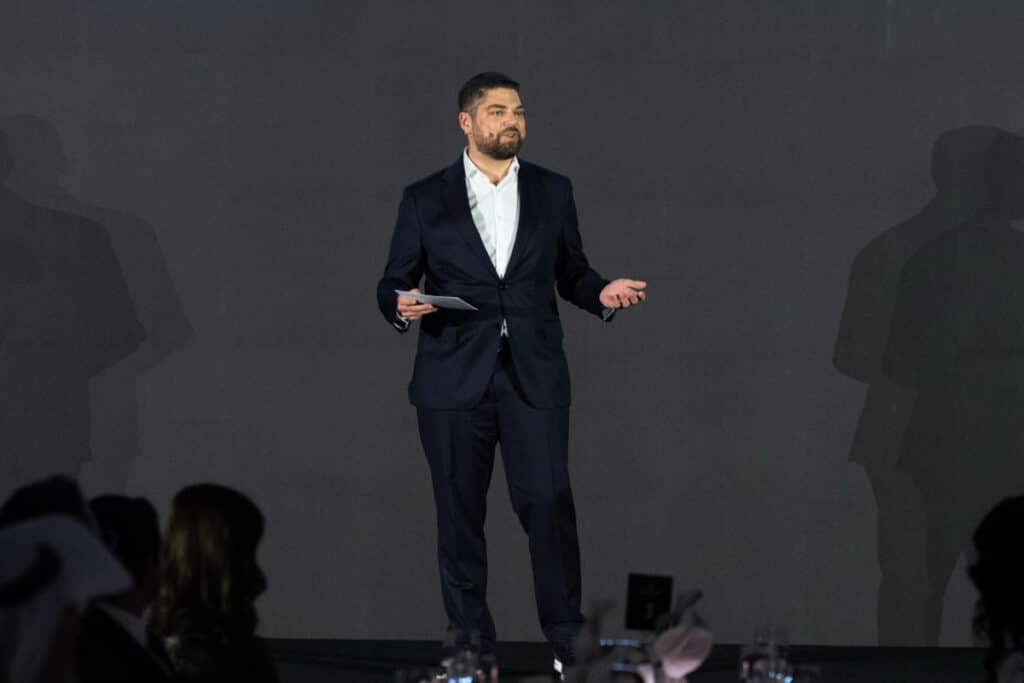
Each year, the Doha Jewellery and Watches Exhibition serves as a key event in the calendar, attracting thousands of visitors and featuring over 500 prestigious brands during its 21st edition this year. “We’re happy that Qatar is organising such exhibitions because it’s really helping us to keep connecting with our clients,” remarked David Tedeschi, Managing Director of Hublot for the Middle East, Africa, and Latin America, in a recent interview.
Although Qatar has a relatively small population, its luxury market demonstrates impressive purchasing power, with consumers eager to invest in premium timepieces and jewellery. Factors driving this demand include the country’s high GDP per capita and a tax-free environment for luxury items.
Moreover, the increase in high-net-worth individuals (HNWIs) and ultra-high-net-worth individuals (UHNWIs) in Qatar has further fueled the demand for luxury items. The market now attracts leading global brands aiming to establish a strong presence in the region.
Doha has transformed into a hub for horology enthusiasts, with events such as the Doha Jewellery and Watches Exhibition capturing the attention of collectors and connoisseurs around the globe. Luxury brands like Hublot, Rolex, Patek Philippe, and Audemars Piguet have responded to this demand by expanding their local footprints and launching exclusive collections tailored to the Qatari market.
Recognizing the palate for bespoke pieces, several brands have initiated special editions featuring Arabic numerals and unique designs that resonate with local aesthetics. For instance, Audemars Piguet introduced the Royal Oak Qatar Special Edition, available through The Luxury Flavour for AED 367,000, with its burgundy dial celebrating the Qatari flag.

“It [Qatar] is a very important market for the brands, especially here in the region because it is among our top three most performing markets,” Tedeschi elaborated. Hublot further maximized its presence at DJWE, unveiling a new collection that made its debut at LVMH Watch Week in New York, providing Qatari enthusiasts with an exclusive preview.
Beyond established Swiss labels, independent watchmakers and niche luxury brands are also finding their footing in Qatar. These brands, particularly those focused on ultra-exclusive and customizable designs, benefit from a dedicated clientele of Qatari collectors, adding to the market’s diversity.
Qatar’s Flourishing Luxury Retail Landscape
The retail environment in Qatar significantly bolsters the luxury watch and jewellery sector’s success. Upscale shopping venues such as Place Vendôme, Printemps, and The Pearl-Qatar host flagship stores of renowned international brands specifically catering to the affluent consumer demographic.
To enhance their appeal, many brands offer private viewings, bespoke customization services, and VIP amenities to high-net-worth clients, creating an elevated shopping experience.
As Qatar’s economy continues to diversify, its luxury sector remains robust, consistently demonstrating a compound annual growth rate (CAGR) of 2.11 percent in luxury watches and jewellery. Beyond watches, the luxury jewellery market in Qatar is projected to see significant growth, with an annual increase rate of 6.19 percent expected from 2025 to 2029, according to Statista.
The thriving luxury goods market in Qatar is attributed to higher incomes among Qataris and an increasing investment in the luxury fashion domain, as reported in recent analyses regarding market size and forecasts from 2025 to 2030.
Prestigious jewellery brands such as Cartier, Bulgari, and Van Cleef & Arpels have already established a prominent presence in Doha. The luxury market in Qatar is set for continued growth in the coming years, with digital marketing playing a pivotal role in driving expansion and mirroring ongoing trends.