
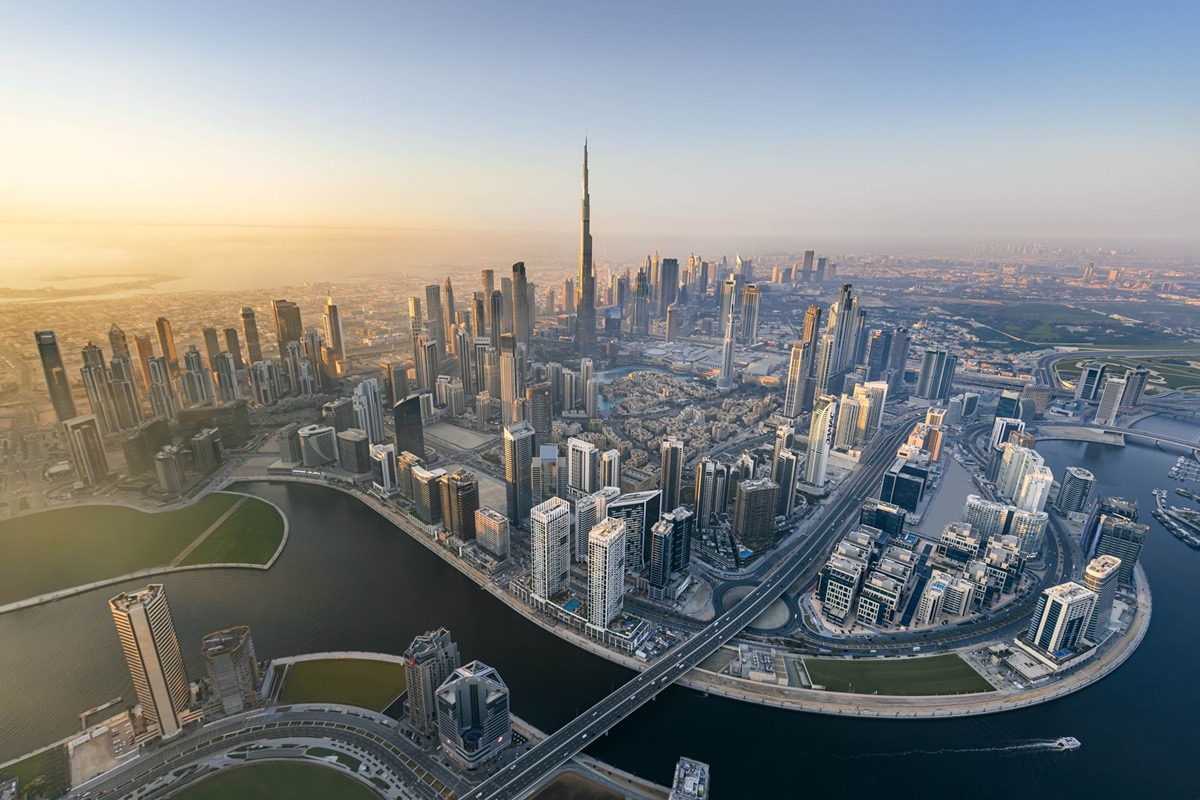
The landscape of rental housing in Dubai is poised for significant changes as we approach 2026. This transformation signals a shift from a phase of rapid growth to a more established market characterized by increased vacancies, seasonal pricing variations, and a notable pivot towards long-term leases and property ownership. Understanding whether Dubai rents will fall in 2026 is essential for both tenants and landlords, as these trends will impact their decisions and financial planning.
Understanding the Market Shift
The anticipated changes in the rental market are not indicative of a decline but rather a necessary recalibration of the forces of supply, demand, and tenant preferences. As Dubai’s population is projected to reach nearly 4 million, affordability has emerged as a vital component for sustaining long-term economic prosperity.
According to Colife’s projections, the average annual vacancy rate in Dubai’s rental sector is expected to rise to around 12% in 2026, exhibiting significant seasonal fluctuations. Landlords should be aware that these figures highlight a market adapting to new realities rather than a sign of an imminent downturn.
Seasonal Vacancy Trends
Dubai rents may experience noticeable fluctuations based on the time of year. For example, peak vacancy periods are anticipated in July and September when rates could surge to approximately 16%. This rise will primarily result from the summer exodus of tenants, intense heat, and a general slowdown in corporate activities.
Conversely, in October and November, which historically mark a bustling relocation season, vacancy rates are projected to drop to around 5%. For property investors, this emphasizes the need to focus on income stability during off-peak periods rather than merely capitalizing on annual rent figures.
As average rents for the low season may decrease by up to 5% from previous years, high-season rates are likely to hold steady, offering minimal upward movement compared to the 2024-2025 timeframe. Pricing dynamics will largely hinge on asset location, with luxury properties expected to see gentler corrections while comfort and business-class options may face greater seasonal volatility.
A Shift in Tenant Behavior
Ilnara Muzafyarova, CEO of Colife, highlights a significant trend: “Our core tenant base consists of young expatriates in the upper-middle-income segment. Professionals relocating to Dubai for work or business find the average annual rent per unit to be about AED 11,900 per month ($3,240). During the summer, rental costs may drop to AED 6,000–7,000 ($1,635–$1,905), but this decrease is usually balanced by strong demand from October to April.”
The current pattern is shifting away from mid-term rentals as tenants increasingly consider Dubai a permanent residence. The long-term lease contracts in areas like Al Furjan and Jumeirah Village Circle have outperformed mid-term options, generating higher returns for investors. As a result, long-term rentals have become a more viable and reliable investment strategy over the next few years.
The Impact of Short-Term Rentals
Another aspect on the horizon is the oversupply in the short-term rental market. As reported by AirDNA, the number of active short-term listings in Dubai surged to around 25,000 in 2025 from just 9,000 in 2022. While visitor numbers are on the rise, the surge in rental listings creates an imbalance that threatens to push daily rates lower and increase competition among property owners.
In the past two to three years, many residents viewed Dubai as a temporary destination, leaving during summer and returning for peak seasons. However, this behavior is evolving, with more people opting for permanent residency and committing to long-term leases. This trend is reducing reliance on short-term tourism dynamics and anchoring the market in long-term rentals.
Benefits of Adjusted Rental Prices
The potential decline in rents may raise concerns for some landlords, yet the overall adjustment carries significant advantages. As considerations of affordability take center stage, a stabilization in rental prices can make Dubai more accessible to skilled professionals and young families, essential demographics for economic development.
By creating a more affordable housing landscape, employers can lower relocation expenses, easing the transition for new arrivals and improving retention rates. In 2026, the rental housing market in Dubai is expected to mature into a phase defined by balance, segmentation, and strategic rental options.
Though high rents will persist in prime locations during peak seasons, investors must remain vigilant about vacancy risks, seasonal shifts, and evolving tenant preferences. Those emphasizing year-round income stability will likely be the most successful, navigating this new landscape with agility and foresight.