

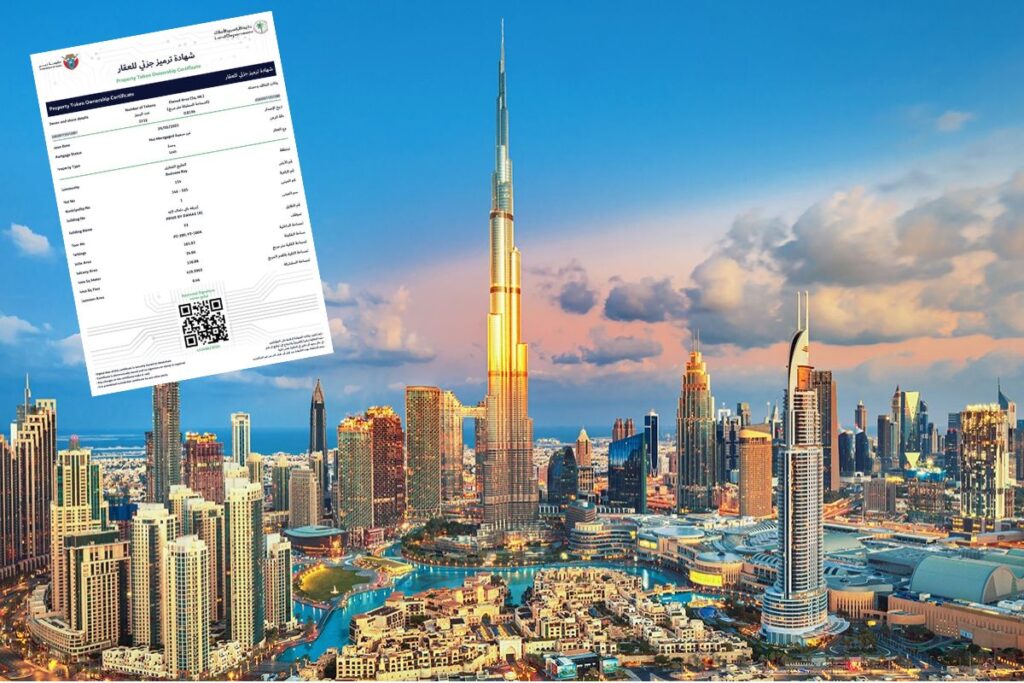
Dubai real estate tokenization is becoming an attractive avenue for young investors, who increasingly favor fractional property ownership. This shift allows them to break into the luxury property market without the prohibitive upfront costs typically associated with traditional real estate investments. By leveraging innovative blockchain technology, this new model democratizes property ownership and paves the way for a projected market value of AED 60 billion ($16 billion) by 2033 in the region. Experts are highlighting the advantages of this trend, illuminating why it is especially appealing to younger generations seeking investment opportunities.
Understanding Dubai Real Estate Tokenization
Real estate tokenization enables investors to acquire digital shares in physical properties, transforming the landscape of property investment in Dubai. Traditionally, luxury real estate has been out of reach for many, requiring substantial capital to enter the market. However, this emerging technology allows individuals to participate in prime Dubai properties with initial investments starting from as little as AED 2,000 ($545).
Joseph Thomas, Co-Founder of Ellington Properties, points out, “Dubai has always been a leader in innovation and digital transformation, and real estate tokenization is no exception.” With established regulatory frameworks and support from government platforms, Dubai is setting benchmarks for tokenized assets. He emphasizes that the emirate implements these innovations in a transparent, secure, and efficient manner.
Appeal to Younger Investors
Industry experts have observed that the fractional ownership model is particularly attractive to younger investors, who find themselves priced out of the luxurious property segment in Dubai. This model not only reduces individual financial risk but also allows for shared operational costs among co-owners, making it easier to manage maintenance and related expenses.
“Fractional ownership democratizes access to high-value real estate by significantly lowering the entry barrier,” Thomas explains. He elaborates that rather than needing millions for a single investment, individuals can now enter the market at a much lower cost, enhancing the appeal of property investment for many.
Bashir Kazour, Managing Director of Taurus, affirms this sentiment, stating that “Dubai’s rising real estate prices have placed luxury properties out of reach for most residents.” He further explains how tokenization addresses this challenge by enabling fractional ownership, thus granting retail investors access to appreciating markets. The quick settlement processes associated with tokenization also mitigate risks often faced during traditional property transactions.
Benefits of Tokenization: Liquidity, Accessibility, and Cost-Reduction
Tokenization also addresses liquidity challenges by allowing peer-to-peer transfers and offering 24/7 subscription and redemption services for open-ended real estate funds. Kazour notes, “The technology can eliminate many intermediaries, reducing costs and complexity.” Professional property management ensures that all operational aspects, such as tenant acquisition and maintenance, are managed efficiently, allowing investors to reap the benefits of rental income without the associated hassles.
Additionally, Dubai’s regulatory framework is designed to bolster the tokenization ecosystem. Recent updates from the Virtual Assets Regulatory Authority (VARA) and Dubai Land Department (DLD) offer a legal foundation for tokenized real estate, promoting clear guidelines for investors.
Marking a New Era in Real Estate Investing
As significant deals unfold, confidence in Dubai’s tokenized property market rises. Recent multi-million agreements reflect the growing commercial viability of this model. For instance, a $3 billion collaboration between Dubai’s MultiBank Group, real estate company MAG, and blockchain provider Mavryk has set a strong precedent.
Experts are optimistic about the integration of tokenization into conventional sales strategies. Developers are taking steps to educate themselves on building the necessary digital infrastructure, aiming to attract a broader array of investors, including international buyers. “We are still very early,” says Thomas, emphasizing the importance of market awareness and investor education.
Looking forward, projected growth in various property sectors—ranging from residential to commercial and mixed-use developments—is expected. “We anticipate a significant rise in tokenized offerings across various asset classes,” Thomas believes, marking a transformative future for real estate in Dubai. He adds that enhanced participation from institutional investors could lead to the creation of secondary markets for trading property tokens.
In this evolving landscape, both Thomas and Kazour see tokenization as more than a technological achievement; it signifies a fundamental shift in property ownership and access. “Properly implemented, tokenization makes buying private securities as easy as buying a book online,” Kazour asserts, pointing towards the potential for Dubai to redefine real estate investment as we know it.