
The “ميزانية الاتحاد” serves as a vital engine driving the achievement of the nation’s major goals through its strategic planning. Recently, the Ministry of Finance launched the federal budget cycle for 2027-2029, marking a significant step in the ongoing development of the government’s financial system. This initiative aims to enhance financial sustainability and align with the leadership’s vision for a more innovative and flexible future, transforming the budget from a mere annual planning tool into a sophisticated strategic instrument. This transition supports federal entities in achieving their objectives efficiently and effectively.
Strategic Foundations
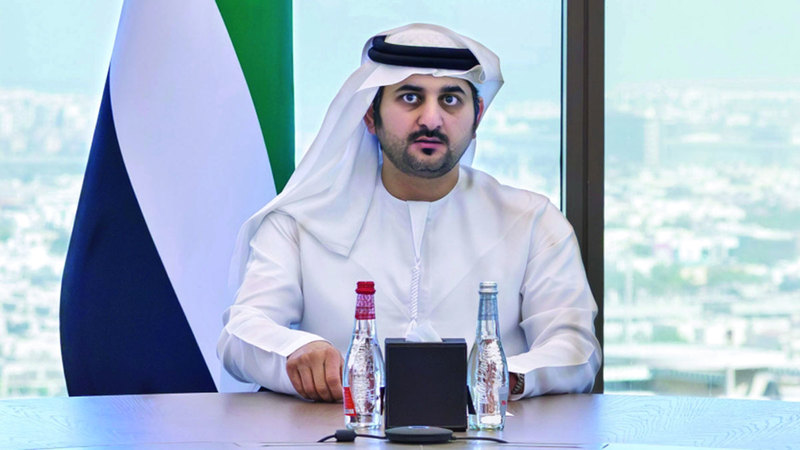
His Highness Sheikh Maktoum bin Mohammed bin Rashid Al Maktoum, First Deputy Ruler of Dubai and Vice Prime Minister and Minister of Finance, emphasized that the 2027-2029 budget cycle represents a fundamental pillar in the trajectory of the state’s public finance development. This is part of a governmental approach focused on proactivity, flexibility, and integration between various policies.
His Highness noted that the Ministry of Finance is redefining the role of the budget from a mere resource allocation framework to a “ميزانية الاتحاد” that drives the actualization of major national goals. This includes enhancing global competitiveness, accelerating digital transformation, and establishing the UAE as a leading global financial hub.
“Achieving the targets of the UAE Centennial 2071 requires a financial system capable of adapting to rapid regional and international changes and directing public spending toward future opportunities,” he stated. “Thus, the ministry invests in smart tools and advanced analytical models that combine financial efficiency with impactful outcomes and support data-driven decision-making aligned with the nation’s developmental, economic, and social priorities. Our vision is for the federal budget to be a strategic tool for future readiness, enhancing growth sustainability and elevating government services to unprecedented levels.”
Aim for Ambitious National Priorities
This launch follows four consecutive strategic rounds during which the total federal budget reached approximately 900 billion dirhams, grounded in ambitious national priorities. During this period, the ministry has established strong foundations for financial governance, bolstered by legislative and regulatory frameworks, expanded international partnerships, developed advanced digital financial systems, and maintained stable local public debt levels, which stood at only 62.1 billion dirhams by the end of June 2025. Moreover, federal government assets are projected to grow to around 464.4 billion dirhams by the end of 2024, signaling the state’s robust financial position.
Prioritizing Key Sectors
The 2027-2029 budget cycle prioritizes sectors that directly impact the lives of citizens and residents, such as education, healthcare, social benefits, and essential governmental services linked to them. This cycle reflects a renewed vision focused on empowering government entities to deliver high-quality services efficiently and flexibly.
Strengthening investment in these vital sectors is crucial for achieving sustainable national development and is essential for realizing the goals of the UAE Centennial 2071. The new cycle aligns community aspirations and national objectives by directing resources to maximize developmental, social, and economic impacts, supported by smart tools and artificial intelligence to enhance planning accuracy, expedite execution, and improve service quality.
Enhanced Flexibility in Budget Planning
Minister of State for Financial Affairs, Mohammed bin Hadi Al Hussaini, affirmed that the 2027-2029 budget cycle is built on solid financial achievements and adopts a more flexible vision that emphasizes governmental empowerment and the integration of strategy with performance indicators. The ministry leverages artificial intelligence as a powerful tool to support sustainable development.
He explained that the ministry is transforming the budget from a financial tool into a flexible strategic instrument that enables governmental organizations to enhance their efficiency and improve public performance, contributing to achieving the vision of the UAE Centennial 2071.
“The qualitative shifts that we have seen in the ministry recently extend beyond legislative and digital aspects, encompassing a comprehensive redesign of the budget preparation experience, reducing preparation steps from 50 to just 10, and shortening the procurement cycle from 60 days to less than six minutes. This represents a real leap in accelerating performance and enhancing institutional efficiency,” said Al Hussaini. “The Ministry of Finance has shifted from merely being a supervisory entity to becoming an empowering institution that enhances the readiness of federal entities, enabling them to perform their roles with efficiency and innovation within a comprehensive digital system that prioritizes customer satisfaction and quality outcomes.”
As the UAE continues to navigate the complexities of the modern world, the “ميزانية الاتحاد” remains a crucial catalyst for achieving the nation’s larger ambitions and fostering a resilient, innovative future.