
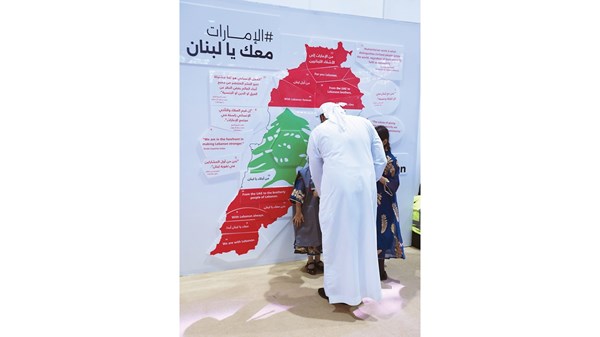
Lebanon’s Foreign Minister, يوسف رجي, highlights the unwavering support of the United Arab Emirates for Lebanon on political, economic, and social fronts. In a recent interview with «الاتحاد», he emphasized the significance of the UAE’s backing in nurturing relations between Lebanon and its Gulf neighbors, particularly through the warm reception accorded to Lebanese delegations visiting the Emirates. As Lebanon grapples with myriad challenges, رجي’s remarks underline the potential for revitalizing diplomatic and economic ties to foster a more stable future.
Strengthening Diplomatic Relations
In his statements, يوسف رجي underscored the role of the UAE as a steadfast ally for Lebanon, particularly during a period marked by economic trials. He praised the supportive environment cultivated through friendly visits from Lebanese officials, noting how President جوزيف عون’s engagements in the Gulf have played a pivotal role in normalizing Lebanese relations with Gulf states. This mutual cooperation is seen as essential not just for political stability but also for economic growth.
Commitment to Reform and Sovereignty
رجي pointed out the Lebanese government’s historic decision to confine weapons to state authorities as a crucial step towards re-establishing law and order. This initiative, which has been anticipated since the signing of the Taif Agreement 35 years ago, is viewed as a foundational element for a sovereign Lebanon. He acknowledged that this measure, ratified by the government, could not have been achieved without the endorsement of both presidential offices and support from allied nations, including the UAE.
International Support Linked to Reforms
Highlighting the conditions set by international financial institutions like the World Bank and the IMF, رجي explained that the resumption of financial aid to Lebanon hinges on two critical reforms: tackling economic corruption and ensuring the state maintains a monopoly on armed force. He warned that without adherence to these principles, the inflow of vital investments and funds will remain stagnant. The Lebanese government’s commitment to these reforms is seen as integral to unlocking international assistance.
The Border Negotiations Challenge
On the topic of border demarcation, رجي clarified that Lebanon’s borders with Israel have been established since the 1948 armistice, yet remain to be affirmed through indirect negotiations facilitated by the United Nations or the United States. He stressed that the immediate withdrawal of Israeli forces from five occupied areas in the south, alongside the release of Lebanese prisoners, is essential for any further progress. Additionally, he described the boundary issues with Syria as technical matters, requiring cooperative committees to tackle overlapping claims, with hopes pinned on increased attention from the new Syrian administration.
As رجي navigates through these pressing issues, he emphasized that the Lebanese crisis extends beyond mere financial or political concerns; it encompasses ideological rifts that complicate national cohesion. He urged political factions to prioritize national interest over individual agendas, reinforcing the need for collaborative efforts to restore state integrity. Strengthening Lebanon’s sovereignty is not only crucial for its future but is also vital for regional stability, creating an environment where the country can once again emerge as a vibrant participant in the Arab world.