
The United Arab Emirates is shaping the future of governance through its innovative approach to “Artificial Intelligence Governments” by connecting technology with leadership. This evolution underscores the commitment to using artificial intelligence (AI) to transform not only operational workflows but also to enhance decision-making processes across various sectors. As organizations adapt to this shift, they improve efficiencies while adopting a more human-centric approach to governance.
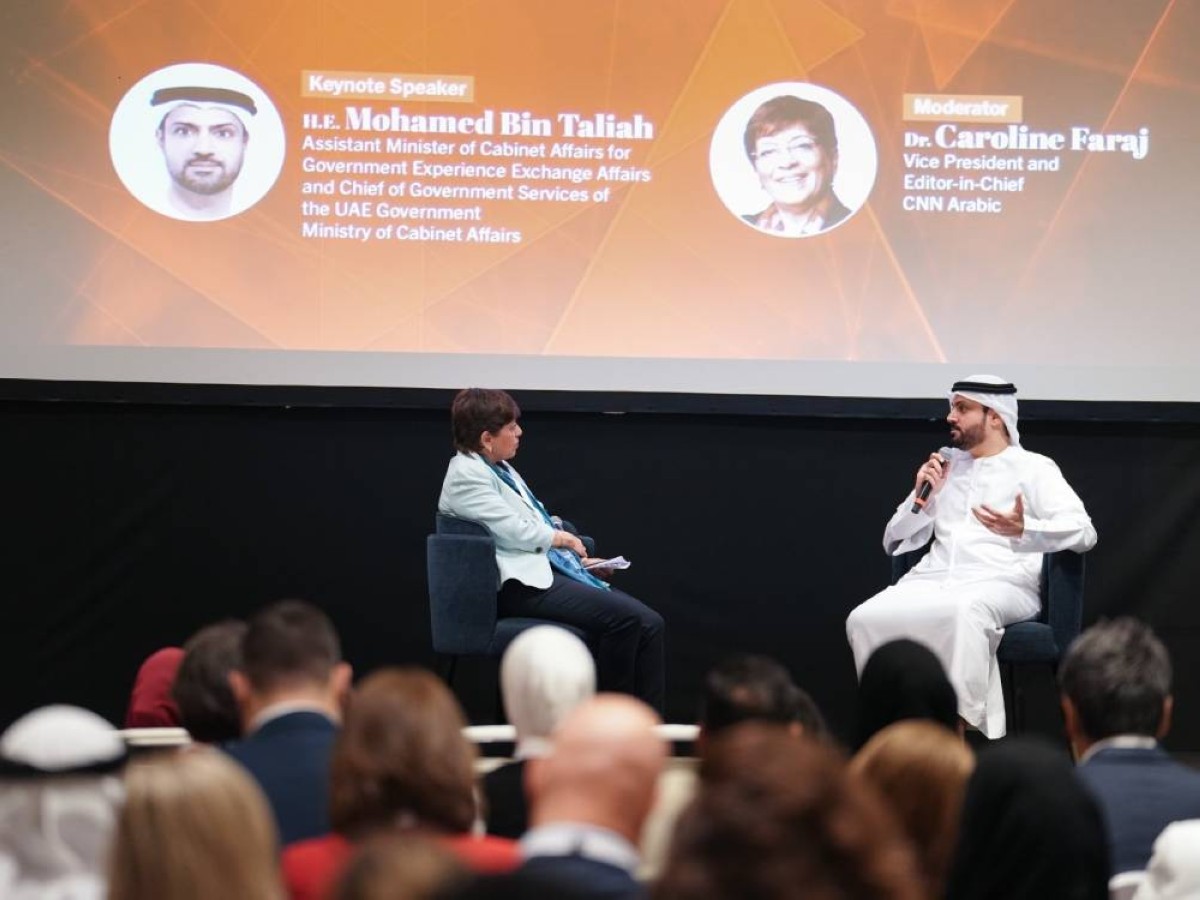
Recently, the Harvard Business School Club in the Gulf Cooperation Council (GCC), in collaboration with Keystone, hosted the forum titled “Growth in Unity: Artificial Intelligence and Transformational Leadership in Practice” at the Park Hyatt Hotel in Dubai. The event brought together prominent government officials, business leaders, academics, and Harvard alumni from GCC countries, focusing on the rapid transformations within the realm of artificial intelligence and its implications for governance.
The forum served as a backdrop for Sheikh Mohammed bin Rashid Al Maktoum’s announcement regarding the UAE’s goal to become the first government globally to integrate artificial intelligence into 50% of its operations and services. This initiative marks a significant shift toward a new era of comprehensive smart governance. During the main session, Mohammed bin Taliata, Assistant Minister of Cabinet Affairs for Government Knowledge Exchange, articulated that the UAE’s vision for artificial intelligence extends beyond mere technology; it represents a structural transformation in how governments operate and engage with society. He emphasized that the ultimate goal is to create a more agile, proactive government capable of anticipating future needs.
Integrating artificial intelligence into governmental services aims to enhance the quality of life and foster greater human innovation by reducing repetitive tasks and focusing on value-added activities. This aligns with the UAE’s approach to developing a more efficient and sustainable governmental work system. An extensive panel discussion led by Andy Gandhi, a senior partner at Keystone, included government leaders and experts such as Engineer Aml Abdul Rahim and Professor Miloudina Stevens, addressing AI applications in governance, healthcare, and innovation management.
The speakers underscored the importance of establishing regulatory and ethical frameworks for the use of artificial intelligence, ensuring a balance between technological advancement and the safeguarding of societal values. They stressed the necessity of fostering trust in intelligent systems as a crucial factor for the success of digital transformation. Furthermore, Saleh Lutah, President of the Harvard Business School Club in the GCC, remarked that UAE initiatives in the realm of artificial intelligence exemplify a global model for responsibly adopting advanced technologies. He mentioned that the club aims to support this vision through educational and professional initiatives that translate national strategies into impactful outcomes.
Representatives from Keystone also shared that the opening of their office in Dubai reflects their dedication to participating in the nation’s digital transformation journey and leveraging global expertise to strengthen various sectors. The forum concluded by reaffirming that the UAE model for artificial intelligence is built on the integration of technology with conscious leadership and human values. The future impact of digital transformation in the region will rely not only on technological advancement but also on trust, good governance, and the development of communities capable of sustainable engagement with artificial intelligence.