
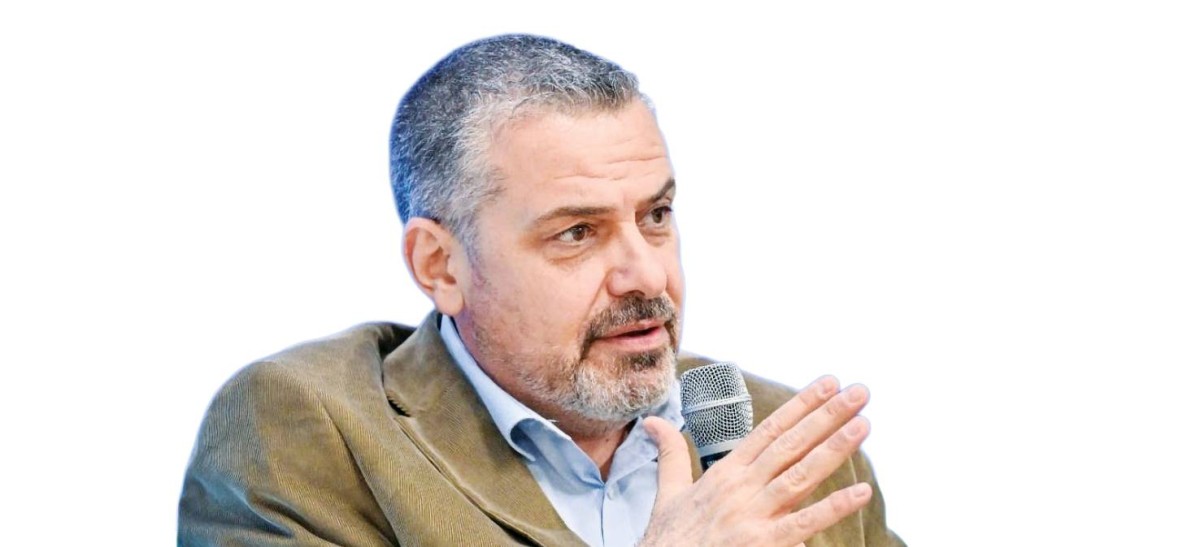
The United Arab Emirates (UAE) has emerged as a global leader by achieving the highest rate of artificial intelligence (AI) tool utilization. As the nation makes significant investments and strategic shifts toward AI integration, the potential economic and social impacts are becoming increasingly apparent. This article delves into insights shared by Dr. Yassar Jarar, a board member at the Mohammad Bin Rashid School of Government, regarding the adoption and challenges of AI in the Arab governmental landscape and how the UAE is navigating this crucial transition.
Barriers to AI Integration in Arab Governments
Dr. Yassar Jarar identified key obstacles hindering Arab governments from effectively adopting artificial intelligence. While presenting the Arab Governmental Situation Report for 2026, he noted that embedding AI into government structures designed for a different era could transform it from a catalyst for change into a new operational burden. He emphasized that the next two years will be critical for AI, marking a pivotal period for foundational work to ensure successful AI implementation.
The Importance of the Coming Years
The expert on governmental transformation stated that despite the challenges, there is no avoiding the shift into the AI era. He reasserted that artificial intelligence has become a political and sovereign priority worldwide. In fact, forecasts suggest that AI could contribute approximately $13 trillion to the global economy by 2030. Since 2023, there has been a 21% increase in policies and regulations related to AI across 75 countries, reflecting a nearly ninefold growth compared to 2016.
UAE’s Role as a Global Leader
Dr. Jarar pointed to 2025 as a turning point in the journey toward AI, with unprecedented levels of institutional reliance on the technology; currently, 88% of organizations worldwide use AI in at least one function. He referenced a study by tech giant Microsoft, which revealed that the UAE recorded the highest global rate of AI tool usage at an impressive 97%, bolstered by a $120 billion investment in this sector. Other major nations are also prioritizing AI, with China investing $47.5 billion and Canada contributing $2.4 billion, alongside Saudi Arabia‘s ambitious $100 billion initiative in AI.
Global AI Utilization and Recommendations for Arab Governments
The extent of AI’s reach is significant, with studies showing over 1.2 billion users globally, indicating its importance goes beyond official domains. Dr. Jarar revealed that the Arab Governmental Situation Report was informed by a series of national and regional workshops, coupled with in-depth discussions with government leaders and experts. The consensus from these events highlighted the urgent need to address readiness barriers to unlock the full potential of AI.
He stressed that AI cannot be effectively utilized if governmental systems continue to operate under pre-AI mechanisms. This stringent assessment represents the starting point for governmental efforts related to AI adoption. He observed that although there is robust official enthusiasm and ambitious strategies, they often confront an institutional reality that is not fully equipped to incorporate the requisite AI frameworks. While some initiatives have succeeded, these often remain in narrow experimental contexts, revealing obstacles related to preparedness, data quality, and the absence of unified governance.
Dr. Yassar Jarar concluded that the report resulted in a set of practical recommendations aimed at bolstering government efforts to expand AI applications. Among the most critical recommendations is the call to fundamentally redesign governmental administration rather than simply digitizing existing processes.