
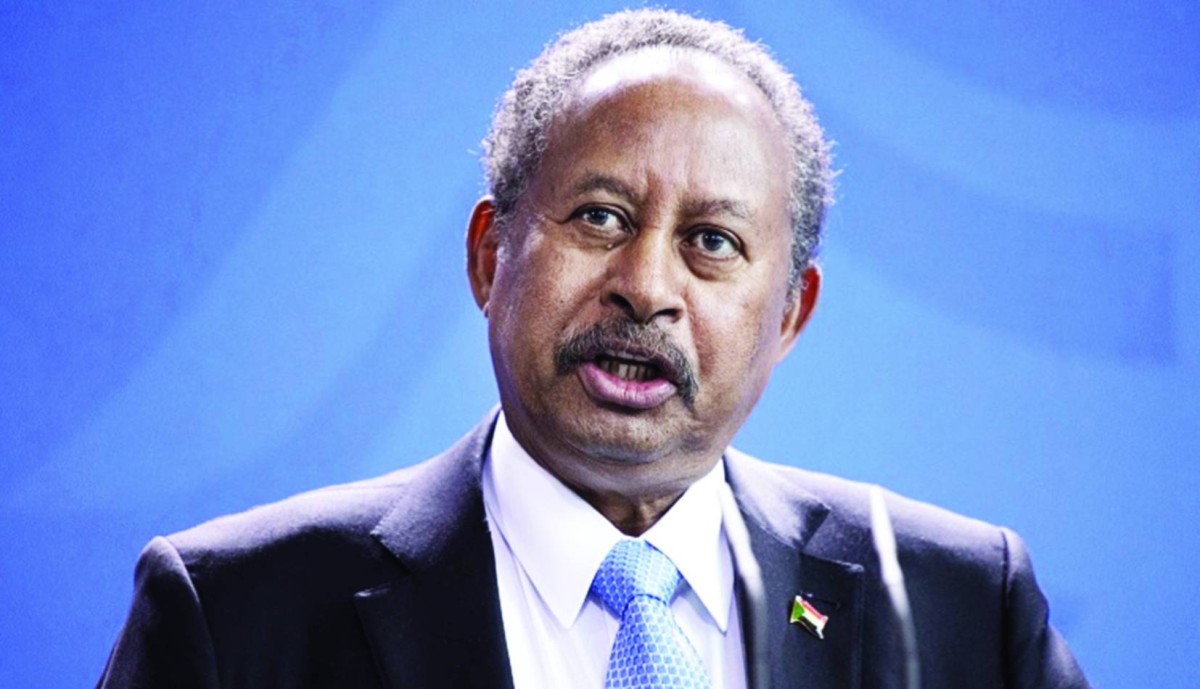
Under the title “The UAE: A True Support for the Sudanese People at Home and Abroad,” the prominent role of the United Arab Emirates in supporting Sudanese individuals affected by crises and wars is highlighted. By providing humanitarian aid and creating a safe living environment, the UAE serves as a refuge for many, both within Sudan and beyond, reflecting its deep commitment to humanitarian issues.
UAE Aid: More Than Just Hospitality
Dr. Abdullah Hamdok, the former Prime Minister of Sudan, expressed his deep appreciation for the UAE’s role, noting that it has hosted thousands of Sudanese displaced by war. This hospitality was not merely about offering a space to live; it also included providing the essentials for a dignified life. Hamdok emphasized that “the UAE is the only country that has offered Sudanese individuals special residency under the ‘Residency for War and Disaster Countries’ program, allowing them to live their lives normally.”
Humanitarian Aid Inside and Outside Sudan
The UAE’s support extends beyond direct assistance to Sudanese in the country itself; it has provided urgent humanitarian aid within Sudan, in addition to supporting millions of Sudanese refugees in neighboring countries such as Chad, South Sudan, Uganda, Kenya, Ethiopia, and Egypt. Hamdok affirmed: “The UAE is a true support for the Sudanese people at home and abroad,” as UAE support has empowered Sudanese individuals to continue their lives despite difficult circumstances.
Hopes for Building an Attractive Investment Environment
The importance of directing efforts towards rebuilding the Sudanese economy arises from the significant damage caused by the war. Hamdok points out the necessity of establishing appropriate policies to encourage investments from Gulf countries, particularly from the UAE and Saudi Arabia. He asserts that “post-war Sudan needs the engagement of all parties through finding political agreements to attract investment and assist in reconstruction.”
Political and Economic Challenges
Amid the current situation, political challenges remain significant, especially given the divisions within the Sudanese government. Nevertheless, Hamdok stresses that “there is no military solution to the crisis in Sudan, and the solution lies in the efforts of civilians who can unite forces for peaceful development.” The Sudanese people must work together to find common ground for dialogue and understanding, enabling them to overcome current crises.
The UAE’s stance toward Sudanese individuals during this difficult time embodies strong humanitarian support that contributes to rebuilding a bright future for Sudan. The UAE is indeed a true support for the Sudanese people at home and abroad, instilling hope in many that tomorrow will be better. With continued support and aid, doors open to new horizons that could contribute to the stability and prosperity of Sudan in the future.