
The introduction of the new system for government work in the UAE marks a transformative step towards realizing the leadership’s vision of establishing the best government and state in the world. By harnessing the capabilities of assistive artificial intelligence, the UAE aims to reshape its governmental services, policies, and procedures, ensuring that the nation remains prepared for future challenges. This commitment not only reflects a dedication to innovation but also positions the UAE at the forefront of global governance excellence.
Embracing Artificial Intelligence for Enhanced Government Efficiency
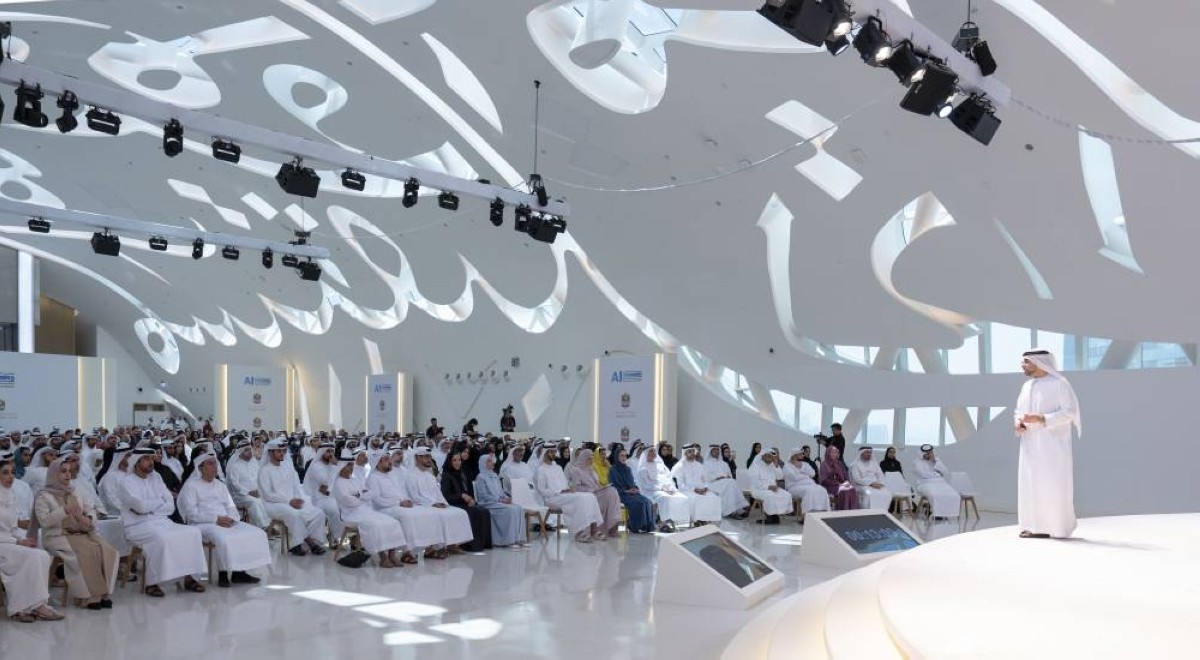
Sheikh Mohammed Abdullah Al-Gergawi, Minister of Cabinet Affairs and Chairman of the National Committee for the Assistive Artificial Intelligence Project, emphasized the UAE’s progression towards a new phase in government work focused on integrating assistive artificial intelligence. During a workshop organized by the Presidency and the Ministry of Cabinet Affairs in Dubai, which involved 600 employees from both sectors, the goals for the upcoming transition supported by assistive artificial intelligence were thoroughly reviewed. The aim is to elevate government efficiency, enhance output quality, accelerate achievements, and facilitate decision-making processes.
Al-Gergawi noted that the leadership’s directive to convert 50% of government operations, procedures, and services to assistive artificial intelligence formats within two years constitutes a strategic move to redesign governmental work. This initiative significantly boosts the effectiveness, productivity, and service quality of the UAE’s governance, reinforcing its global leadership in utilizing advanced technology for the benefit of society and humanity.
Plans for a Comprehensive Transformation
The Ministry of Cabinet Affairs outlined a comprehensive plan to adopt assistive artificial intelligence, aiming to re-engineer various operations, services, and specialized tasks using intelligent technologies. Haitham Al-Rais, Secretary-General of the National Committee for the Assistive Artificial Intelligence Project, presented the plan’s objectives, emphasizing the need to enhance operational efficiency and the quality of outputs. The focus is on empowering employees to concentrate on value-added tasks, thereby fostering a more flexible, proactive work model prepared for future challenges.
The plan includes targets such as hastening project completion, improving output quality, and ensuring data reliability while training staff in assistive artificial intelligence tools. Additionally, it seeks to shorten the time required for executing institutional support processes, strategies, policies, and legislation, all overseen under the highest standards of quality, security, and governance. The stages of the transformation encompass assessment, capacity building, pilot implementations, and eventually, a broad rollout of specialized assistants across different operational fields.
Fostering a Culture of Innovation
During the event, Shamsa Jaber Al-Falasi, Executive Director of Transformation and Development at the Presidency, discussed the importance of nurturing national capacities in artificial intelligence. She stated that genuine transformation extends beyond the implementation of technical tools and requires a fundamental change in thought processes and decision-making capabilities. The concept of assistive artificial intelligence empowers government employees to transition from mere tool users to system architects, enhancing the government’s ability to devise comprehensive and innovative solutions while effectively leveraging available data.
Al-Falasi highlighted several initiatives undertaken by the Presidency, including the establishment of a sovereign technological infrastructure for artificial intelligence and the “Diwan GPT” platform, which fosters a secure artificial intelligence environment. Sheikh Mansour bin Zayed Al Nahyan’s directives to accelerate the transition towards assistive artificial intelligence were also shared, aiming to convert 75% of the office’s services to this model within the next two years, along with establishing a prize for the best three assistants within the initiative to motivate employees.
Collaborative Efforts and Real-World Applications
A panel session titled “Artificial Intelligence Practices in the Ministry” featured distinguished speakers, including Omar Sultan Al Olama, Minister of State for Artificial Intelligence, who shared valuable insights on practical experiences with artificial intelligence applications in government work. They emphasized the importance of shifting from a trial phase to comprehensive institutional adoption, showcasing various applications and developed assistants intended to enhance cabinet functions, strategies, planning, and legislation for improved government decision-making quality and productivity.
As the UAE explores a future where assistive artificial intelligence plays a critical role, it also prepares to train 80,000 federal employees on these tools to increase national readiness. This transformative effort anticipates a blend of human employees and digital assistants, fostering greater productivity and quality in services, and pioneering innovative solutions and products.
Ultimately, the UAE’s strategic plans for integrating assistive artificial intelligence challenge traditional notions of government work, offering a vision of a proactive, efficient, and innovative future that aligns with the leadership’s aspirations for building the best government and country in the world.