
The third day of the Sharjah African Literature Festival emphasized the significant role of memory preservation in writing. Under the banner of “آفاق حفظ الذاكرة في ثالث أيام «الشارقة للأدب الأفريقي»,” discussions unfolded around how writing transcends mere creative expression. It often emerges as a critical need to safeguard memories from fading, especially in the aftermath of trauma. This aspect of writing serves as a powerful tool for authors, allowing them to document personal and collective pain, transforming it into profound narratives that resonate universally.
Writing as a Means of Memory Preservation
The day’s sessions articulated the idea that writing is not solely an artistic endeavor; it frequently begins as a desperate attempt to protect memory from erasure. Many authors shared their insights about how writing acts as a mental anchor during turbulent times. This transformation of personal and collective agony into stories not only enriches the literary landscape but also offers a medium for sharing human experiences.
The Vital Role of Translation
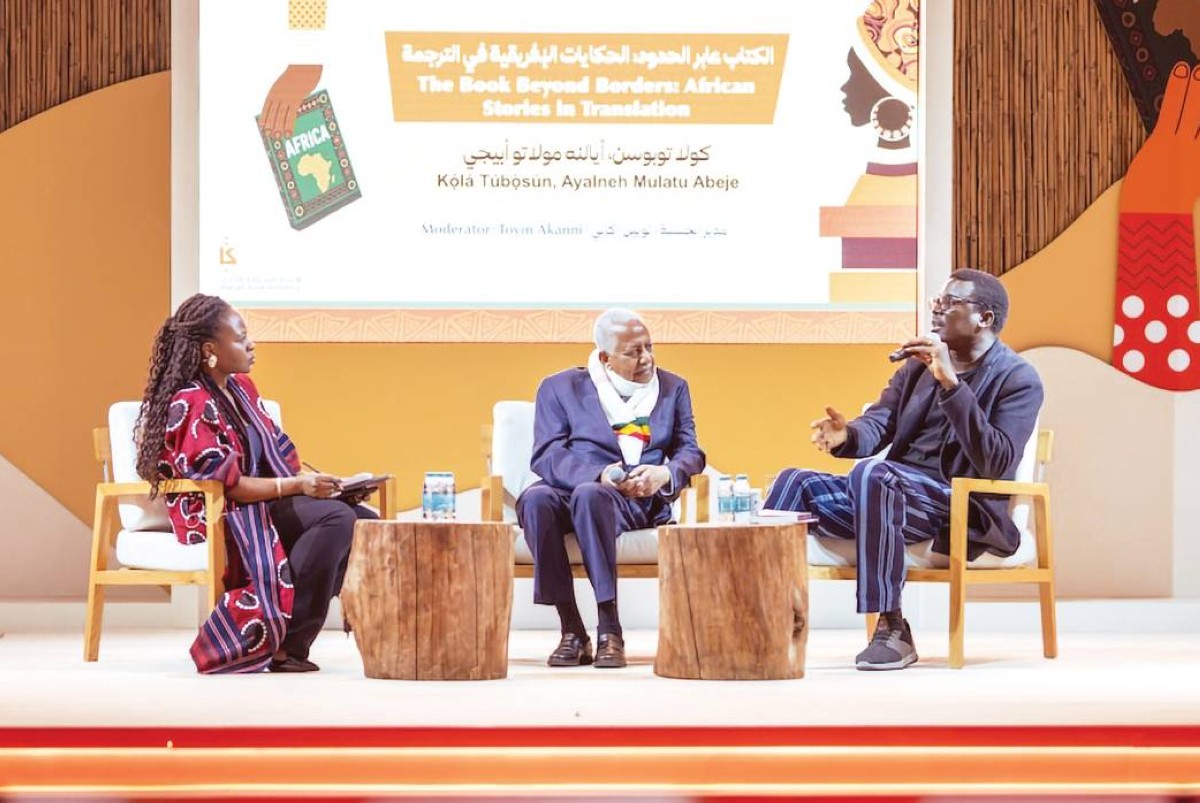
Another prominent theme was the vital function of translation in giving African literature renewed life. Panelists highlighted how translated works reach audiences across various languages and continents, allowing local narratives to find a place in the broader global discourse. This conversation underscored the importance of preserving the original voice and meaning of a text, ensuring that its significance stays intact as it transitions into the international literary scene.
Literary Insights from Scholastique Mukasonga
A standout moment of the festival came when celebrated Rwandan writer Scholastique Mukasonga took the stage. With a substantial audience present, she shared her literary testimony regarding the act of writing as a safeguard for memory rather than a conventional literary project. Mukasonga articulated how her works resonate deeply within Rwanda, signifying a profound connection between literature and memory preservation.
Challenges in Translation and Cultural Preservation
The festival also hosted a vibrant panel discussion titled “Cross-Border Authors: African Tales in Translation,” featuring voices like Kola Tubosun and Ayaleh Molatu Abijit. This dialogue explored the creative and cultural challenges translators face while striving to maintain the authenticity and context of the original text. Issues of language fidelity and cultural nuances were paramount as the discussion progressed, emphasizing the intricate balance translators must achieve in preserving the essence of African literature.
In essence, the third day of the Sharjah African Literature Festival highlighted the intertwined relationship between memory preservation and writing, showcasing how these elements contribute to a richer understanding of African literature’s role in global culture.