
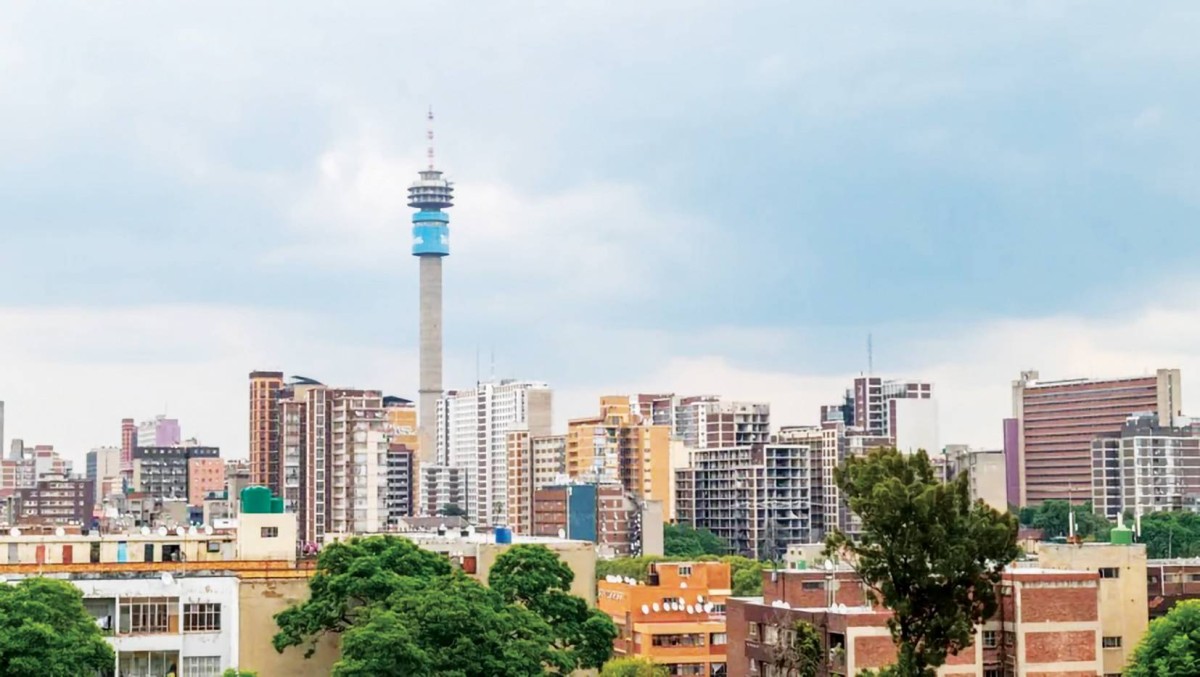
Dubai is emerging as a key platform for South Africa to enhance its investment presence in real estate asset management. Pretoria is seeking to leverage the expertise of Gulf sovereign wealth funds and regional capital in both asset management and infrastructure project funding. This initiative aligns with the nation’s efforts to restructure its government property portfolio valued at approximately 155 billion rand (USD 9.5 billion), transforming it into more revenue-generating assets to attract investment.
Developing a New Asset Management Model
In a significant move, South Africa is drawing on the experiences of Gulf sovereign wealth funds to develop a new model for managing its government real estate assets. This plan aims to establish a national company dedicated to managing a portfolio that includes around 88,000 buildings and 5 million hectares of land. This strategy signifies Pretoria’s growing interest in utilising Gulf capital and expertise for asset management and infrastructure financing.
Advisory Role of Gulf Sovereign Funds
According to Bloomberg, South Africa’s Minister of Public Works and Infrastructure, Deon Macpherson, has revealed that sovereign funds from the Middle East are advising the government on creating a financing mechanism as part of establishing the new government real estate company. Additionally, discussions are underway with the Johannesburg Stock Exchange regarding how to create a development fund capable of mobilising capital for projects, although the names of the participating funds have not been disclosed.
A Shift Towards Professional Asset Management
Earlier this year, President Cyril Ramaphosa announced the initiation of efforts to establish the national property company in South Africa, aimed at transforming government buildings and land into professionally managed assets that can support growth and development. The government asserts that this new model seeks to transition from traditional property ownership management to a more commercially focused asset management approach, thereby fostering development and attracting private capital.
Investment Needs and Opportunities
Pretoria is aiming to attract substantial investments to accommodate its infrastructure needs, with public investment requirements estimated at around 1.6 trillion rand and an additional 3.2 trillion rand from the private sector to meet infrastructure goals by 2030. This scenario positions foreign capital, particularly from the Gulf, as crucial in financing projects related to energy, water, transport, and logistics.
Macpherson highlighted the extensive opportunities available to investors, noting that South Africa possesses a portfolio of construction projects valued at approximately 350 billion rand, with procurement and construction activities expected to commence within the next 12 to 18 months.
Strategic Marketing of Projects
As part of its strategy to enhance investment presence in the Gulf region, South Africa is directly leveraging Dubai. Macpherson, during his visit to Dubai, indicated that the country intends to open a branch of Infrastructure South Africa in the Middle East, likely based in Dubai, to facilitate communication with Gulf investors and market opportunities involving government projects and assets. This strategic move establishes Dubai as a prominent hub for attracting Gulf investors while maintaining the focus on South Africa’s objectives.