
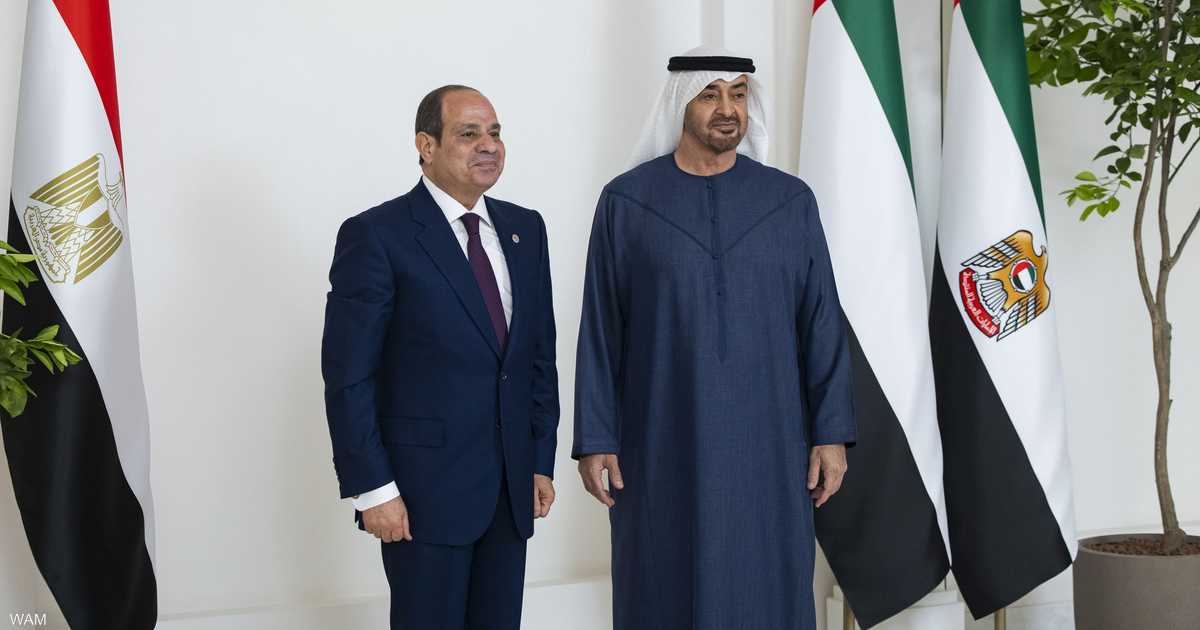
In a significant display of diplomatic camaraderie, Sheikh Mohammed bin Zayed welcomed President Abdel Fattah el-Sisi in Abu Dhabi, heralding a pivotal moment in UAE-Egypt relations. The warm reception of the Egyptian President by Sheikh Mohammed bin Zayed Al Nahyan, the President of the United Arab Emirates, underscores the commitment of both leaders to foster strong ties between their nations and engage in collaborative discussions on regional and international issues.
Welcoming Ceremony at Presidential Airport
Upon his arrival at the presidential airport in Abu Dhabi, President el-Sisi was greeted by Sheikh Mohammed bin Zayed Al Nahyan himself. The welcoming delegation included Sheikh Hamdan bin Mohammed bin Zayed Al Nahyan, Vice President of the Presidential Court for Private Affairs, as well as Sheikh Mohammed bin Hamad bin Tahnoun Al Nahyan, Advisor to the President of the UAE. Several ministers and senior officials were also part of the warm reception, highlighting the significance of the visit.
Strengthening Bilateral Relations
According to a statement from the Egyptian presidency, this visit is a testament to the determination of both leaders to continue solidifying bilateral relations between the UAE and Egypt across various sectors. The discussions aim to enhance cooperation in trade, security, and cultural exchange, emphasizing the long-standing friendship between the two nations.
Focus on Regional Challenges
Beyond bilateral ties, this meeting also serves as a platform for discussing pressing regional and international issues of mutual concern. Both leaders are expected to engage in dialogues focused on current crises and collaborative strategies to address them effectively.
A Flourishing Partnership
The meeting between Sheikh Mohammed bin Zayed and President el-Sisi is a clear indication of their mutual interest in fostering a stable and prosperous region. As both leaders continue to work together, the partnership between the UAE and Egypt is poised for further development, benefiting not just the two nations but the broader Arab world as well.