
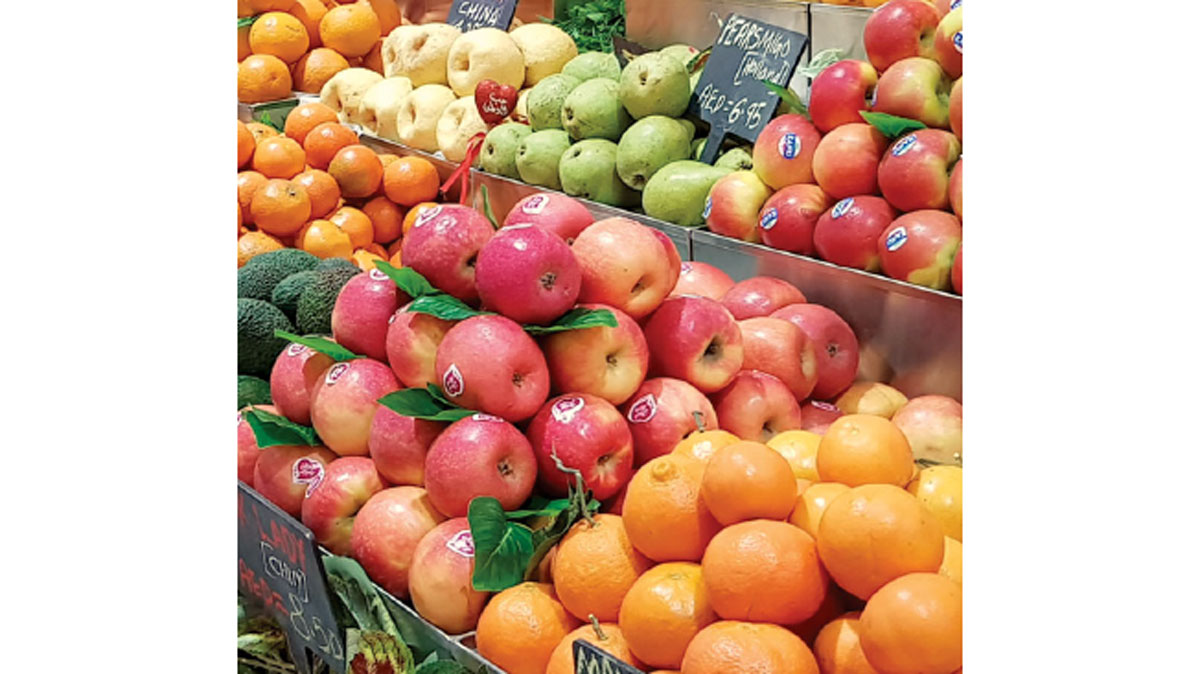
The proactive government policies behind the efficient flow of goods play a critical role in ensuring that fresh products remain accessible, particularly in Dubai. Amidst current global challenges, Dubai’s economic model exhibits resilience and adaptability, significantly bolstered by its government’s strategic interventions. As highlighted by the “Vegetable and Fruit Traders Working Group” under the Dubai Chamber of Commerce, the government has been instrumental in mitigating disruptions that could have adversely impacted supply chains, thereby promoting the seamless flow of goods.
Challenges and Government Responses
Members of the working group have pointed out that Dubai’s ability to maintain the continuous flow of fresh products reflects the strength of its economic framework. Key challenges such as rising shipping costs and global supply chain delays have necessitated efficient governmental actions. By facilitating customs procedures and expediting clearance processes, the government has effectively cushioned the market against potential shocks, ensuring stable pricing and market oversight.
Moreover, the strategic network of ports and logistics centers within the UAE has provided flexible alternatives when certain maritime routes faced challenges. The adaptive nature of these government policies has played a pivotal role in facilitating trade and ensuring the uninterrupted flow of goods, even in the face of global hurdles.
Effective Integration and Industry Resilience
According to رضا المنصوري, the head of the Vegetable and Fruit Traders Working Group and CEO of Fresh Fruits Company, “Dubai’s ability to maintain the flow of fresh products showcases the robustness of its economic model, supported by a clear government vision and world-class infrastructure.” This statement emphasizes the effective integration between public and private sectors, which has proven crucial during these times.
Enhancements in cold chain systems and comprehensive storage capabilities have further optimized the handling and distribution of perishable goods. With proactive measures from governmental bodies like Dubai Customs and DP World, freight transport has been expedited through alternative routes, ensuring smooth delivery to Dubai’s Jebel Ali Port and free zones.
Market Stability and Future Outlook
As the market stabilizes, current supply levels are deemed adequate to meet local demand without interruption. The strategy of diversifying import sources reduces reliance on specific markets, thereby enhancing overall supply chain resilience. “In the short term, the sector has adapted well to global shifts using flexible shipping routes and alternative entry points,” pointed out المنصوري. This adaptability has preserved the availability of quality products at stable prices.
Looking ahead, the continued governmental support coupled with robust supply chain management suggests a favorable outlook for the sector. Abdulghani Abdullah, General Manager of IFCO, attests to this optimism, stating that “the current market supply levels are stable and adequate,” which is crucial for catering to local needs moving forward.
International Partnerships and Collaborative Strength
The proactive stance of the Dubai government in fostering international partnerships also plays a crucial role in diversifying supply chains. Acknowledging this, عمار بكري, CEO of Al-Bikrawi Holding Group, noted that “diversifying import sources has reduced reliance on any single market.” Such governmental efforts to streamline customs procedures and enhance logistical efficiency have mitigated challenges such as rising shipping costs and delays in supply chains.
In summary, the combination of proactive government policies, effective logistical frameworks, and strong public-private collaboration has ensured that the flow of goods remains efficient. The strategic foresight displayed by Dubai in navigating supply chain challenges reinforces its position as a global hub for fresh produce trade, showcasing the importance of seamless cooperation among all stakeholders involved.