
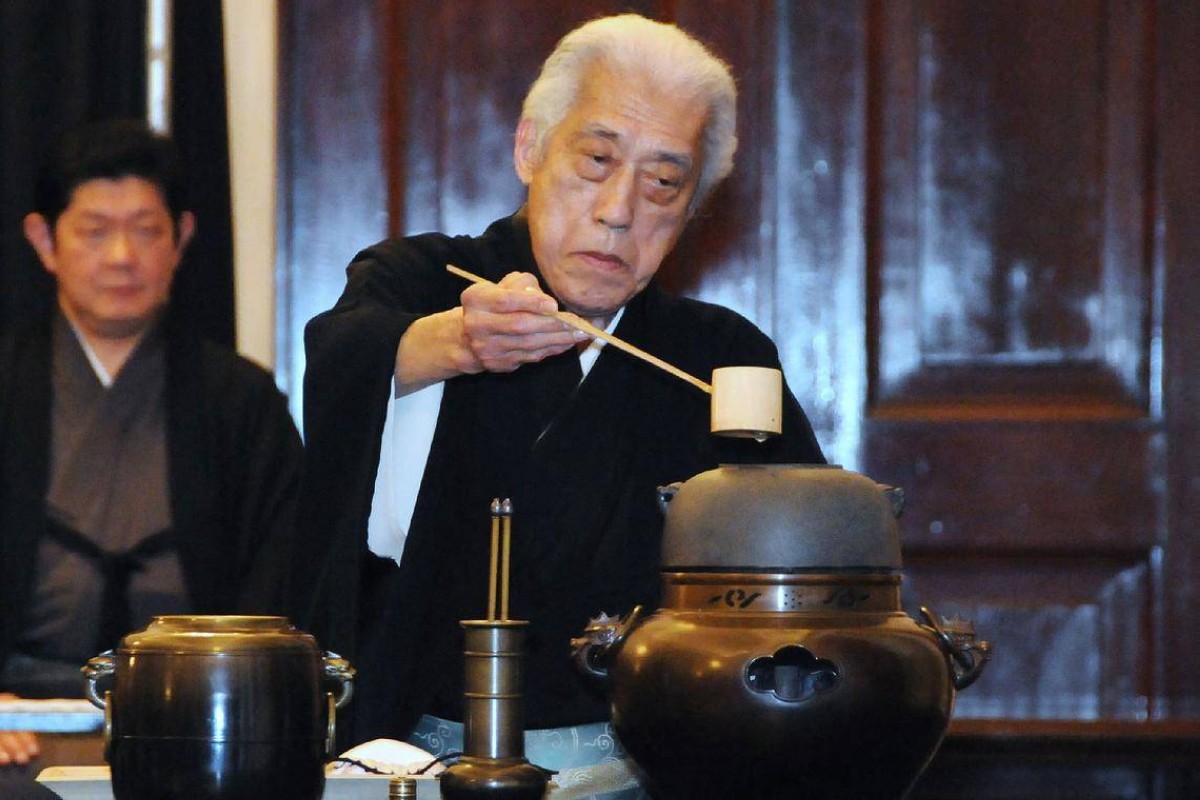
In a heartfelt tribute, Sheikh Mohamed bin Zayed Al Nahyan, the President of the United Arab Emirates, mourned the passing of Dr. Genshitsu Sen, lauding him as a transcendent symbol of cultural exchange and understanding. Dr. Sen, a revered figure in the world of Japanese tea ceremonies, dedicated his life to promoting the philosophy of “peace through a cup of tea.” This article explores the legacy of Dr. Sen and the profound impact he had on bridging cultures, underpinned by his commitment to the art of Japanese tea.
A Legacy of Cultural Exchange
Sheikh Mohamed bin Zayed Al Nahyan expressed his condolences via his account on “X,” stating, “My heartfelt condolences on the passing of Dr. Genshitsu Sen to his family, friends, and the Japanese people. He was a symbol of cultural exchange and an embodiment of pride in heritage through his traditional Japanese tea rituals.” Dr. Sen’s life, which spanned over a century, was marked by a unique blend of tradition and modernity, allowing him to foster connections across diverse civilizations.
From Kamikaze to Tea Master
Dr. Genshitsu Sen, born in 1923, was initially on a path to becoming a kamikaze pilot during World War II. However, the war ended before he could fulfill this duty. Instead, he transformed his life into one dedicated to peace and reconciliation through tea. He often recounted how he would share tea with fellow soldiers during military training, emphasizing the calming effects of this simple act. His journey from a would-be kamikaze to a globally recognized tea master symbolizes hope and resilience in the face of conflict.
Tea as a Vessel for Peace
Centrally to his philosophy was the idea of “peace through a cup of tea.” Dr. Sen, hailing from Kyoto, employed the sacred rituals of “Urasenke” tea preparation to convey messages of anti-war sentiment. He famously conducted tea ceremonies in significant places like the United Nations headquarters in New York and the USS Arizona Memorial in Pearl Harbor, underscoring the art of tea as a medium for dialogue and reflection.
An Inspirational Figure
Throughout his illustrious career, Dr. Sen became the fifteenth head of the Urasenke tradition in 1964, following the death of his father. He served tea to numerous leaders, including former Singaporean President Tony Tan Keng Yam, Queen Elizabeth II, and Mikhail Gorbachev. His connections reached prominent figures like former U.S. Secretary of State Henry Kissinger and former Chinese President Hu Jintao. Dr. Sen often reiterated how his wartime experiences shaped his deep-seated belief in the importance of peace.
Honored with Japan’s Order of Culture in 1997 and France’s Legion of Honour in 2020, Dr. Sen’s accolades reflect his remarkable contributions. Even after retiring in 2002 from his role as the head of the tea school, he remained active, holding over 100 advisory positions and delivering speeches that sometimes lasted more than an hour.
Today, while Dr. Genshitsu Sen has passed, he leaves behind a legacy filled with the serenity and wisdom symbolized by a cup of tea, reminding us all of the transformative power of peace.