
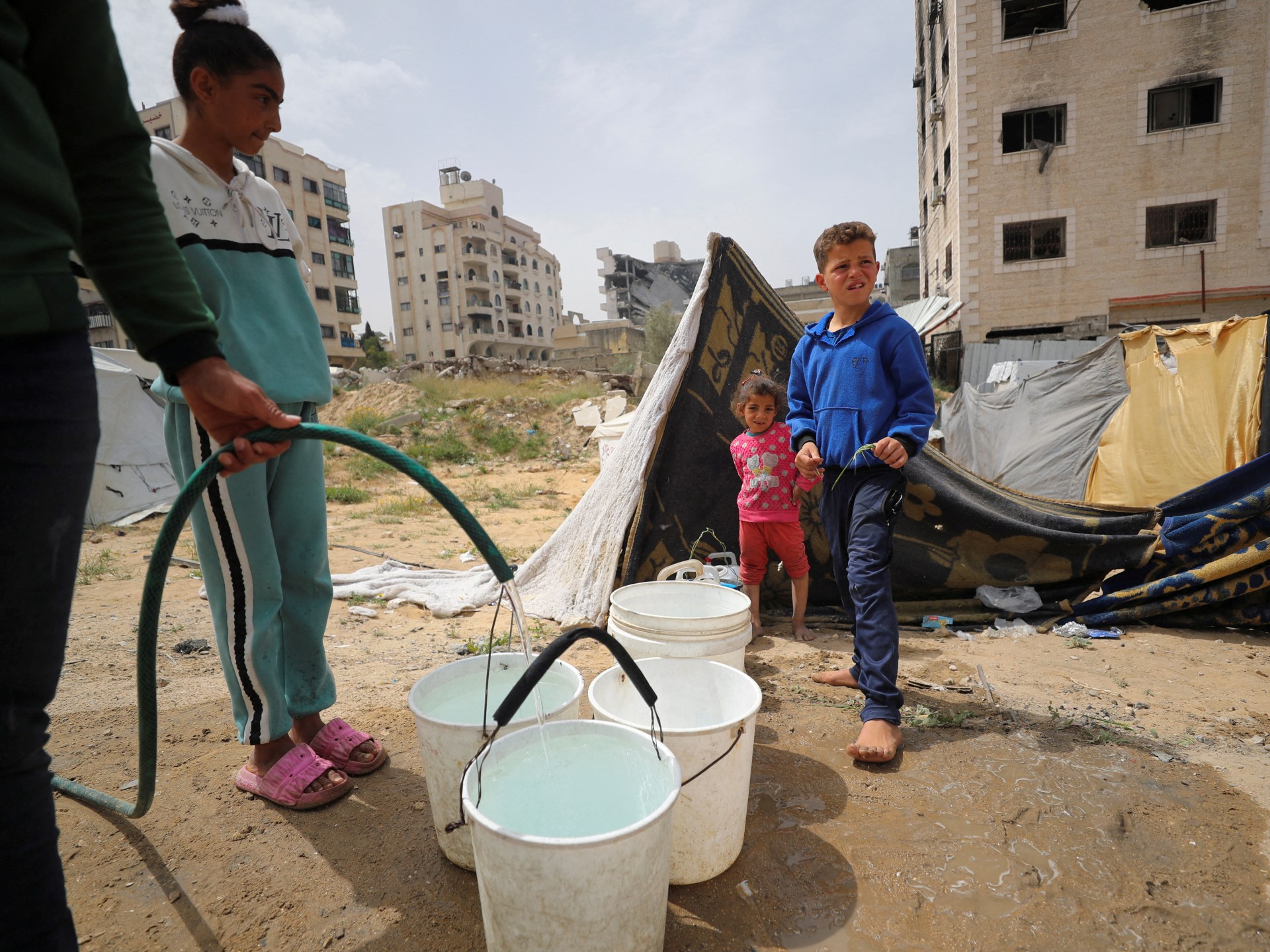
In a significant development for Gaza, Israeli media reported on a water supply project aimed at addressing the dire humanitarian crisis in the region. The initiative highlights the intersection of political decision-making and urgent security concerns, as Israel‘s security institution issued warnings regarding deteriorating health conditions in Gaza. By facilitating connections between Egypt and Gaza, the project aims to alleviate water scarcity and reduce the looming threats of starvation and inadequate sanitation.
The Approval of the Water Supply Project
On Sunday, July 27, 2025, Channel 13 in Israel announced that political leaders in Israel have granted approval for the United Arab Emirates to establish a water pipeline from Egypt to the Mawasi region in Gaza. This decision follows the Israeli government, led by Prime Minister Benjamin Netanyahu, officially sanctioning the project. The report further indicates that the introduction of necessary equipment for the water line’s implementation commenced under strict Israeli security supervision, with completion expected in several weeks.
Military Concerns and Warnings
According to Israel’s State Broadcasting Authority, the security establishment previously cautioned the political echelon about the worsening health conditions in Gaza. The military emphasized the urgent need for immediate solutions, warning that issues related to food scarcity and sanitation could escalate further. This context likely influenced the endorsement of the project linking the desalination station in Egypt with Gaza’s water network. The Israeli perspective considers this move from two angles: first, the strengthening of the UAE’s presence in the region, and second, a perceived reduction of Israel’s direct responsibility for supplying water to Gaza, marked by the establishment of this new pipeline.
Implications for International Relations
Israeli Energy Minister Eli Cohen remarked that the introduction of humanitarian aid serves to prevent international sanctions against Israel, highlighting its importance for ongoing military operations aimed at achieving war objectives. He noted that the water supply project resulted from an agreement between the Israeli Foreign Ministry and European officials, emphasizing the geopolitical dimensions of the initiative.
The Humanitarian Crisis in Gaza
Gaza is currently facing one of the gravest humanitarian crises in its history, exacerbated by a severe famine that has intensified since the onset of hostilities supported by the U.S. on October 7, 2023. Since March 2 of this year, Israel has maintained a blockade on all crossings to Gaza, severely restricting the entry of critical food and medical supplies. This blockade has accelerated the ongoing famine, although a limited number of aid shipments were allowed to enter this past Sunday. Recent statistics from the Gaza Health Ministry reported a grim toll, with at least 133 Palestinians, including 87 children, perishing due to famine and malnutrition since the conflict escalated.