
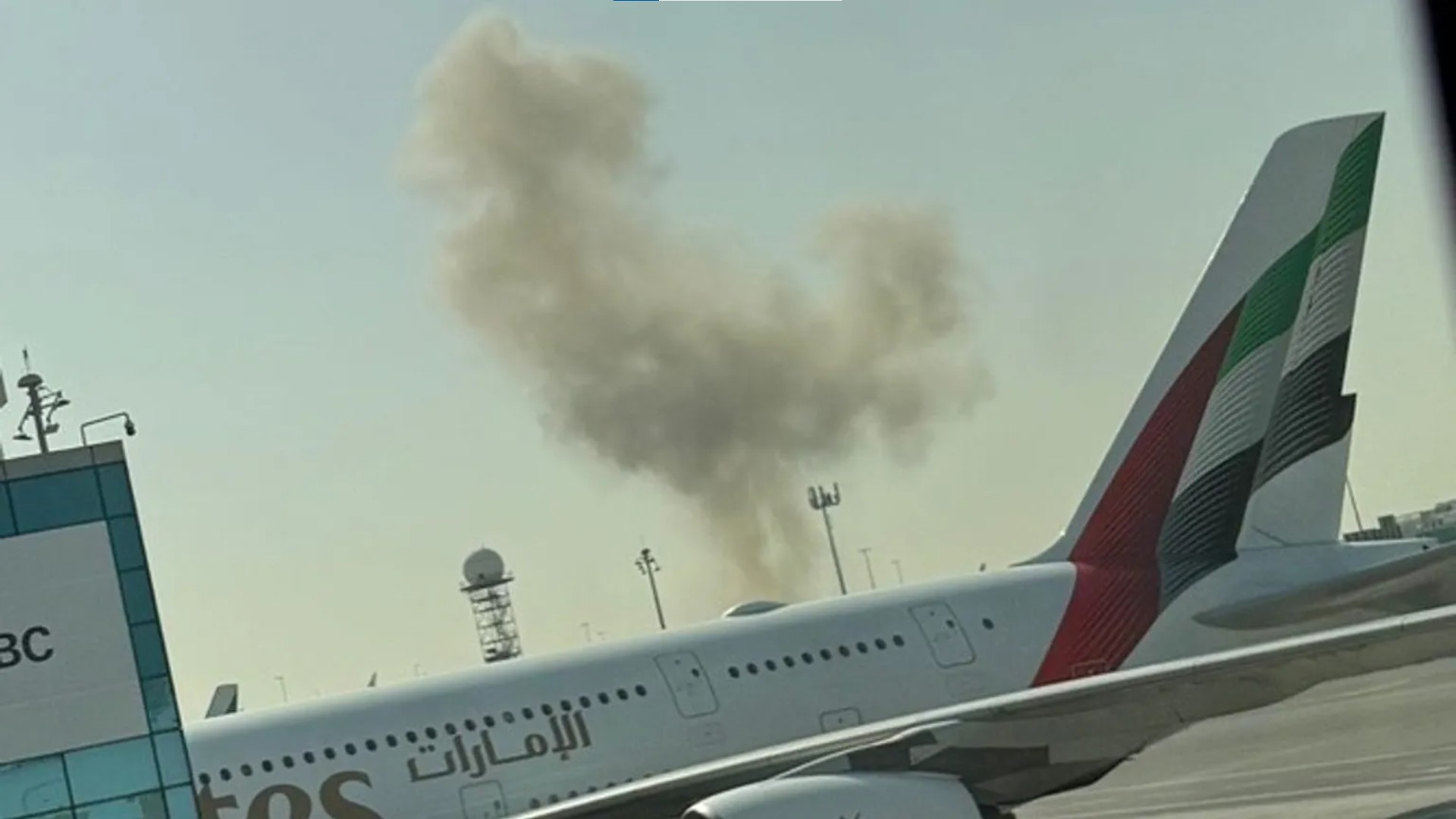
The ongoing Iranian conflict has significantly impacted the travel landscape in the region, particularly at Dubai International Airport. Reports indicate that the Iranian war has caused a decline in passenger traffic at Dubai International Airport by more than 65%. This drastic drop in passenger numbers highlights the broader implications of geopolitical tensions on global aviation, as well as the adaptive measures being implemented by airport authorities. In March alone, the airport experienced a staggering decrease in travelers, revealing the ripple effects of conflicts that resonate far beyond their immediate geographical confines.
Significant Declines in Passenger Numbers
Dubai International Airport, hailed as one of the busiest global hubs, saw its passenger traffic plummet nearly 66% in March, according to an announcement from Dubai authorities. The media office of the Dubai government stated that the airport welcomed 18.6 million guests in the first quarter of 2026, marking a decrease of 20.6% compared to the same period last year. This decline reflects the impact of regional airspace disruptions that intensified throughout March.
Impact of the Conflict
During March, the airport recorded a total of 2.5 million travelers, representing a 65.7% year-over-year decline. Multiple attacks attributed to Iran targeted various Gulf countries, causing significant disruptions, including repeated threats to Dubai’s airspace following the violent escalation of hostilities that erupted on February 28.
Operational Continuity Amidst Challenges
Despite these tumultuous conditions, Dubai airports maintained operational continuity. According to the statement, they successfully secured the movement of over 6 million guests and facilitated more than 32,000 flight operations. The announcement also highlighted that India continued to hold its position as the largest destination for Dubai International Airport, providing services to 2.5 million guests, followed by Saudi Arabia with 1.3 million, the United Kingdom with 1.2 million, and Pakistan with 918,000 guests.
Steps Towards Recovery
The media office of the Dubai government noted that as the situation evolves, Dubai airports are now embarking on the next phase of recovery operations. Efforts are underway to increase the number of daily flights and gradually enable airlines to restore their flight schedules following the lifting of all operational restrictions in the airspace.
The General Civil Aviation Authority of the UAE confirmed that air traffic has returned to normal across the UAE skies after temporarily imposing precautionary measures. The authority stated that this decision was made after a comprehensive assessment of operational and security conditions in coordination with relevant entities, stressing its commitment to ongoing real-time monitoring to ensure the highest levels of air safety.
The Iranian strikes targeted American interests in the Gulf but also struck civilian infrastructure, including airports, ports, and oil facilities in the UAE and the surrounding region. The Gulf states have long been regarded as a safe haven in a tumultuous Middle East, and the UAE has consistently marketed itself as an attractive destination for tourists.