
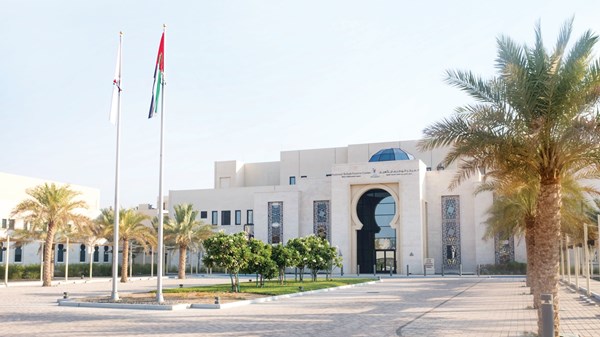
In a recent discussion with “Al-Ittihad,” Yusuf Al-Dhahbi Al-Ketbi, the CEO of the National Rehabilitation Center, emphasized the significant role that family plays in preventing children from using tobacco. Highlighting International Tobacco-Free Day, he stated that families are the first and most impactful line of defense against tobacco consumption. The center prioritizes engaging families and supporting the community, fostering active participation from individuals and their loved ones on the path to recovery. Al-Ketbi elaborated that the success and sustainability of the recovery process largely depend on the involvement of family members.
The Role of Family Support in Recovery
According to Yusuf Al-Dhahbi Al-Ketbi, “From our experience, patients who receive strong support from their families and communities achieve recovery rates that are significantly higher than those who do not; thus, we believe that communicating with the family is the first step towards a better life.” He pointed out that the emergence of various new tobacco products, such as e-cigarettes and alternative nicotine products, advertised as safe and legal for youth, represents a major challenge for the UAE in curbing tobacco use. The risks associated with these products often exceed those linked to traditional tobacco products.
Community Engagement and Education
Al-Ketbi remarked that the National Rehabilitation Center aims to reduce the burden of addiction through community education, digital awareness, and life skills development. He noted, “Preventive and educational services are just as important as treatment services.” This aligns with the center’s vision and strategy, which dovetails with the “We Are the UAE 2031” initiative, aimed at fostering a prosperous community through advanced social empowerment focusing on health, education, and family cohesion.
Strategic Partnerships for Effective Prevention
Yusuf Al-Dhahbi Al-Ketbi identified strategic partnerships as a cornerstone of success in both preventive and therapeutic efforts. Combatting tobacco is particularly challenging due to the complexity of its supply chain and the diverse marketing channels. “We are working closely with relevant authorities to support the implementation of tobacco control policies and awareness initiatives in schools and universities,” he added. The center has been collaborating with the World Health Organization since 2017, sharing knowledge and expertise with regional and international partners.
Innovative Approaches for Enhanced Care
Al-Ketbi explained that the center focuses on quality improvement and the adoption of best practices in service delivery. “We employ innovation and develop data analysis systems to monitor therapeutic outcomes early and accurately,” he stated. This innovative approach allows the center to transition from a reactive model to a proactive preventive one based on data-driven insights. By understanding emerging patterns and shifts in tobacco use trends, the center can identify areas where awareness is most needed.
A Vision for Integrated Care
Yusuf Al-Dhahbi Al-Ketbi envisions the National Rehabilitation Center as a center of excellence that continues to set standards for integrated care in tobacco addiction treatment within the UAE and the region. He aspires for the center to play a leadership role not only in treatment but also in prevention, research support, and policy formulation. This broader stance aims to foster a positive change in societal attitudes towards tobacco use, grounded in a scientific approach that underscores shared responsibility.
With ongoing awareness activities and educational programs, the center strives to ensure that future generations grow up in an environment characterized by a strong sense of awareness and sustained support while continuously developing qualified national cadres to bolster national efforts in this field.