
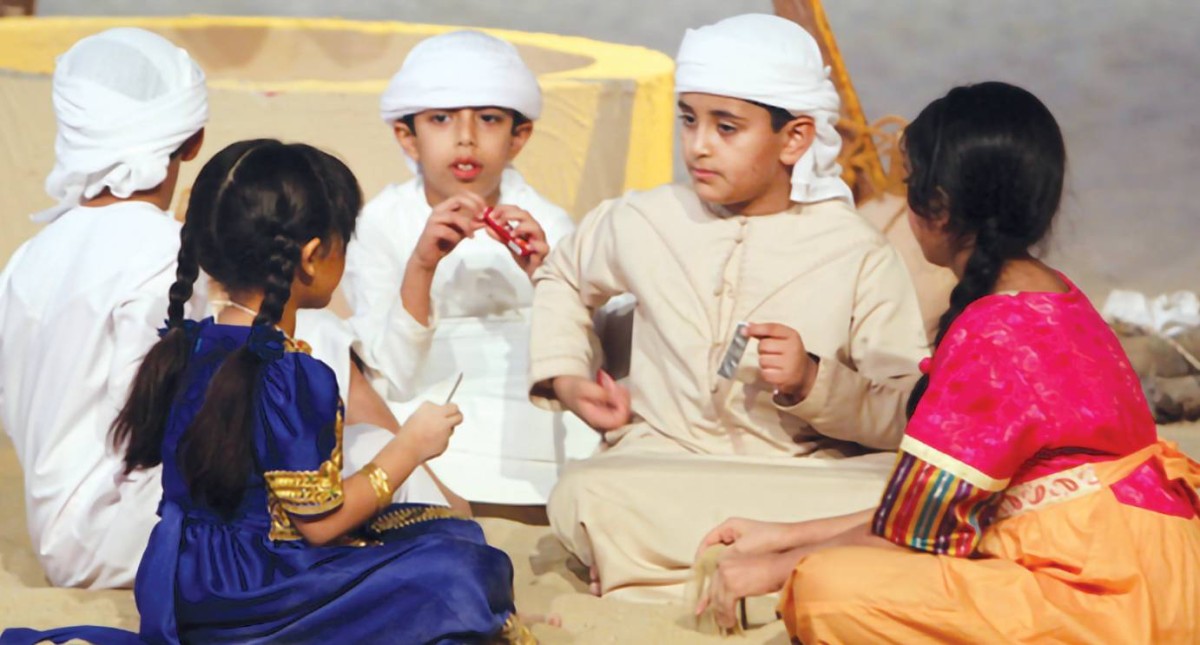
In recent years, the UAE has increasingly positioned itself as a guardian of cultural and humanitarian heritage, primarily through strategic initiatives aimed at preserving its rich legacy. By launching innovative projects and organizing significant events, the country has integrated authenticity with modernity, channeling substantial resources to support both local and Arab heritage. Such commendable actions not only highlight the importance of heritage preservation but also enrich the UAE’s soft power, creating a global impact while instilling national pride.
Strategic Initiatives for Heritage Preservation
The UAE is committed to fortifying its status as a cultural hub through a series of strategic initiatives that embrace traditional values while promoting contemporary relevance. Spearheaded by visionary leadership, the country actively recognizes the importance of its identity and heritage alongside scientific and intellectual advancement. This commitment manifests itself in diverse programs and awards dedicated to culture, further enhancing the framework of initiatives aimed at preserving heritage in the Emirates. As experts note, the responsibility of safeguarding heritage has evolved into a future-oriented investment, transforming culture into a vital component of the nation’s soft power.
The Role of Institutions and Community Engagement
According to researcher Dr. Samir Hassoun, who specializes in linguistic and heritage studies, the UAE plays a pivotal role in maintaining cultural and humanitarian heritage through a comprehensive system that brings together literary events, traditional arts, and sports connected to popular heritage. He remarks, “The state’s commitment to reviving heritage is evident, especially in the efforts of the Hamdan bin Mohammed Heritage Center and significant competitions like ‘The Million Poet.’ Festivals such as the Fujairah Arts Festival and traditional camel racing also highlight this dedication. The UAE is not only preserving its local heritage but also embracing broader Arab and global cultural narratives.”
Modernizing Traditional Concepts
Hassoun further emphasizes that the UAE’s theater scene is evolving to incorporate modern methodologies, ranging from digital and experimental theater to dramatic performances. The government aims to foster a diverse cultural environment that reflects an expansive understanding of heritage. This includes various aspects such as local fashion shows, theater, and dynamic sports that create a rich cultural tapestry representing the essence of Emirati heritage in its various forms.
Global Outreach through Cultural Marketing
On the subject of global outreach, Hassoun explains that the UAE has adeptly utilized the saying “local is the gateway to global” by presenting its heritage in a structured, scholarly manner that adheres to documentation and exhibition standards. He states that heritage does not inherently acquire global status; rather, it transforms into a worldwide phenomenon through intelligent marketing. Thus, the UAE effectively converts its legacy into a cultural product that can be globally shared via academic, media, and artistic channels.
What distinguishes the Emirati experience, according to Hassoun, is the integration of technology with local environmental and cultural elements. He cites various initiatives from significant institutions like the Mohammed bin Rashid Library, which has produced substantial scientific compilations that serve as a vital reference for Arab heritage. By documenting events and utilizing modern marketing techniques, the UAE has elevated the status of its heritage, transitioning it from a local to a global context.
In response to inquiries about the impact of international conferences and major events hosted by the UAE, such as Expo 2020, Hassoun emphasizes that these platforms are essential for showcasing and promoting Emirati heritage effectively. Such events serve as ideal venues for the astute promotion of cultural legacies, ultimately enhancing the global image of the UAE’s heritage.