
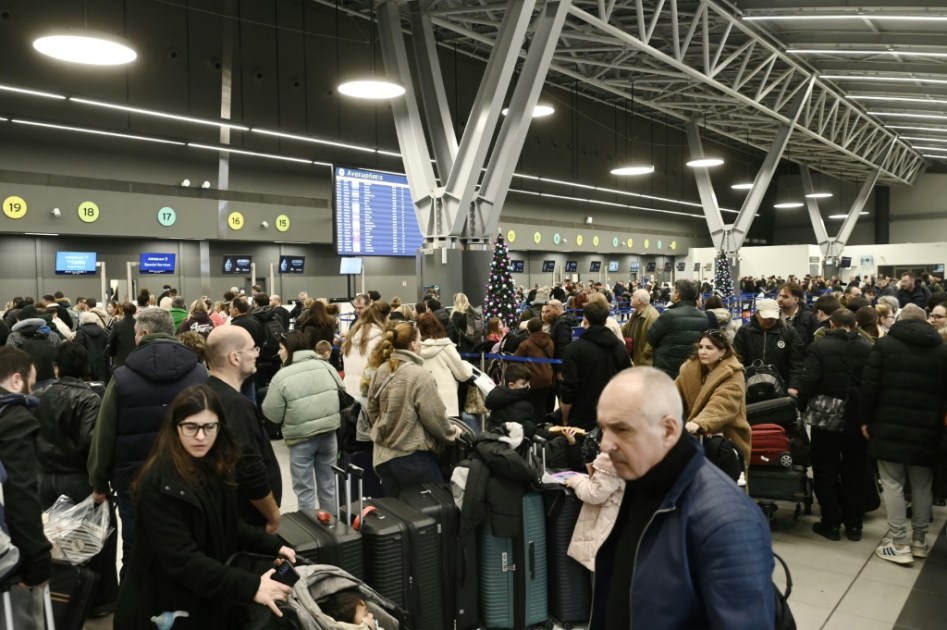
On January 14, 2026, the Greek civil aviation sector faced significant upheaval as the head of the Hellenic Civil Aviation Authority, Georgios Saounatsos, resigned following a severe radio frequency disruption. This incident led to the cancellation and delay of numerous flights across several airports, highlighting vulnerabilities in Greece’s air traffic management systems. The situation has raised questions about the current state of aviation infrastructure in the country, particularly concerning older technology and its impact on operational efficiency.
The Circumstances Surrounding the Resignation
The Greek Ministry of Transport confirmed Saounatsos’s resignation, stating it was a direct consequence of a technical malfunction that occurred on January 4. This malfunction caused widespread flight disruptions and was described in an official report as the result of “outdated technology” at Athens International Airport, a major global tourist hub. The Ministry’s statement indicated that Saounatsos submitted his resignation to Infrastructure and Transport Minister Christos Dimas.
Details of the Technical Malfunction
According to the Civil Aviation Authority, the incident began at 8:59 AM local time when multiple radio frequencies serving the Athens airspace experienced continuous interference. The Authority explained that its transmitters started emitting “unintended signals,” which created substantial confusion in air traffic management. Last year, Athens International Airport processed approximately 34 million passengers, reflecting a 6.7% increase from the previous year. Following the disruption, hundreds of flights were rerouted to neighboring countries, affecting thousands of travelers.
Operational and Safety Measures
Despite the chaos, officials reassured the public that the safety of air travel remained intact. The Hellenic Civil Aviation Authority labeled the incident as “unprecedented,” but confirmed that the airspace over Athens was promptly cleared to ensure safety. By 5:00 PM, the system was fully operational again, and flights resumed after a brief delay of about 45 minutes. Additionally, aviation authorities ruled out any signs of a cyberattack or deliberate sabotage, affirming that the incident stemmed solely from technical failures.
Future Infrastructure Developments
In light of this incident, Greece is undertaking a significant overhaul of its aviation infrastructure, which involves a budget of €300 million (approximately $350 million). The upgrades will include the installation of digital transmitters expected to be operational by the end of this year. Air traffic controllers have pointed out that the radar system at Athens Airport has been in use since 1999, underscoring the urgent need for modernization to enhance safety and efficiency in managing air traffic.