
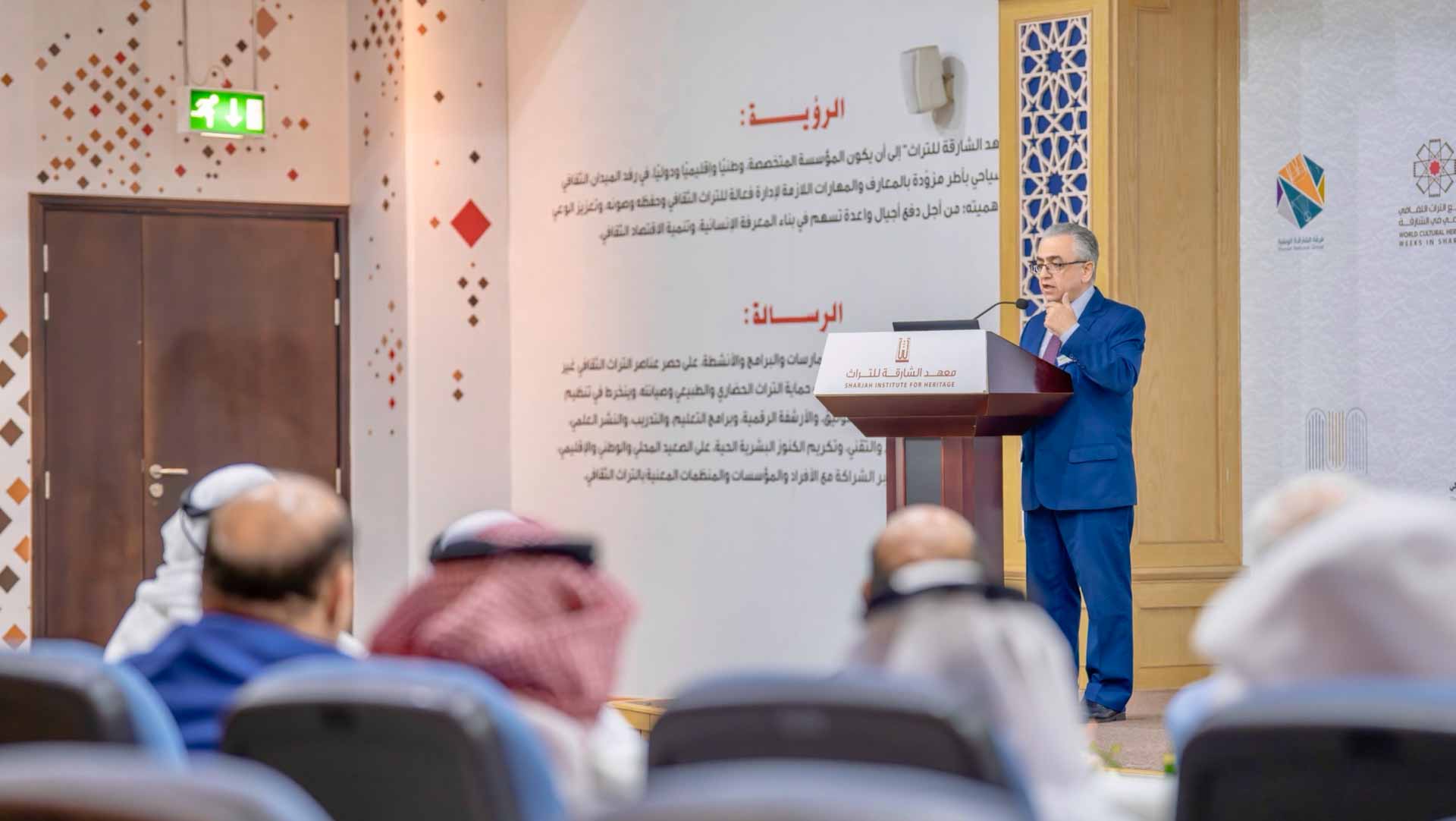
The second heritage conference held in Sharjah has made significant strides in documenting travel literature on a global scale. Organized by the Sharjah Institute for Heritage under the theme “Popular Heritage Through the Lens of Others,” the event aimed to elevate the discourse surrounding travel writing and representations of the “other” in popular heritage. Participants emphasized the need for a thorough reassessment of the writings of travelers and orientalists, advocating for new analytical approaches that could better illuminate the intricacies of cultural exchanges.
Scientific and Cultural Recommendations
The “Second Heritage Conference,” hosted at the Arab Heritage Center within the university city of Sharjah, yielded a series of recommendations aimed at enhancing the study of travel literature and representations of the other in popular heritage. Attendees called for a re-examination of traveler accounts and oriental literature using contemporary critical methodologies. They suggested undertaking comparative analyses among groups of travelers within specific geographical regions and over similar timeframes, which could lead to more accurate portrayals and provide material for local studies when applicable.
Establishing Research Labs
One of the core recommendations of the conference was the establishment of applied laboratories tasked with translating Western research and studies on travel literature. This initiative would involve forming scientific committees to review works by travelers that have yet to be translated, including notable Russian writings. These efforts would not only broaden the accessibility of important texts but also enrich the global understanding of travel literature as a whole.
Extending the Conference and Publishing Findings
Participants also proposed extending the duration of future conferences from two to three days, allowing for deeper discussions and broader engagement. Additionally, they advocated for the publication of research and studies presented at the conference in a scholarly book. An electronic library compiling works of travelers and orientalists, along with a specialized database for researchers and translators, was recommended to enhance the resources available in this field.
Encouraging Critical Studies
The conference highlighted the necessity of stimulating critical studies that explore representations of the other in popular heritage. Scholars were urged to adopt multiple approaches, including anthropology, semiotics, narrative analysis, and post-colonial studies. Investigating the interaction between oral and narrated culture as described by travelers, alongside questioning the ideological and epistemological backgrounds of these representations, was emphasized as a vital area for future research.
Dr. Abdulaziz Al-Musallam, President of the Sharjah Institute for Heritage, remarked, “The recommendations resulting from the second heritage conference reflect our vision at the Sharjah Institute for Heritage. We aim to solidify the understanding of the importance of reading popular heritage from various perspectives, especially through the writings of travelers and orientalists. Our goal through this conference was to foster critical scholarly dialogue with these writings, opening new avenues for understanding the self and the other while enhancing the presence of our heritage in the global cultural arena with a scientific and objective approach.”