
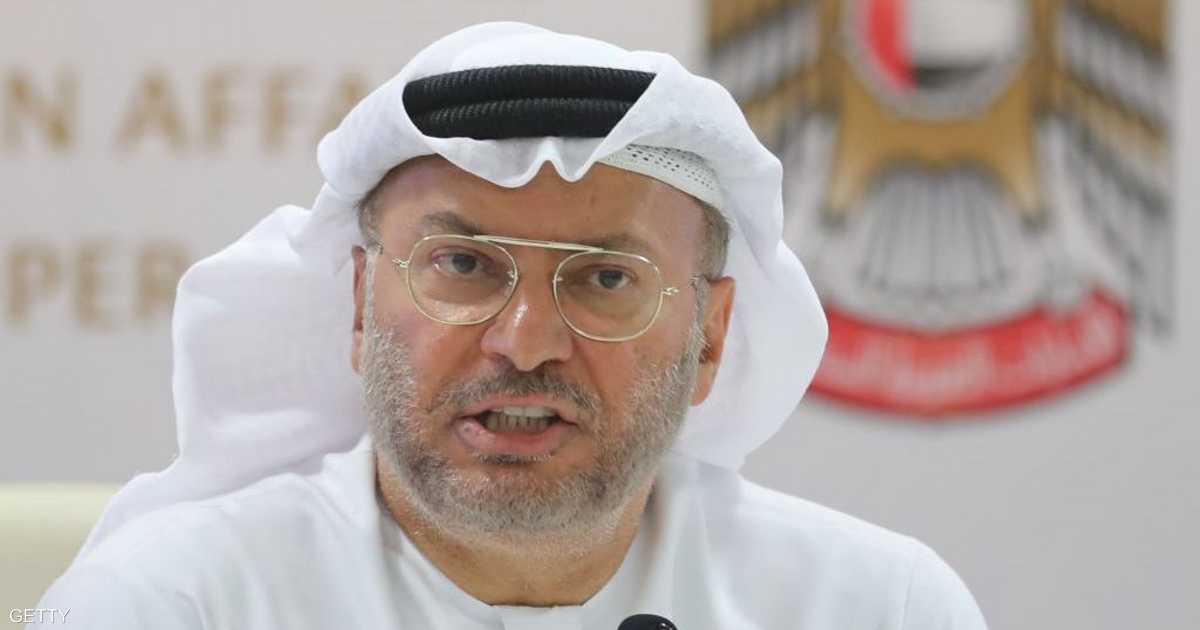
In a recent statement, Emirati official Anwar Gargash emphasized the significance of the Sudanese army’s withdrawal from the city of El Fasher as a pivotal moment requiring rationality and realism. His remarks highlight the crucial need for a strategic political solution to the ongoing civil war in Sudan, drawing attention to the deteriorating humanitarian situation that demands immediate action. The statements reflect a broader international concern regarding peace and stability in the region.
Gargash Highlights the Importance of Rationality
Gargash expressed his views via a tweet on X, stating, “The loss of the Sudanese army’s position in El Fasher after a prolonged siege represents a station that necessitates rationality and realism, and an understanding that the political path is the only option to end the civil war.” His emphasis on a political avenue as the primary solution underscores a growing recognition that military action alone will not resolve the conflict.
International Support for Stability
Further elaborating on his perspective, Gargash noted that “the quartet’s statement and the roadmap represent the internationally supported framework for restoring stability.” This assertion underscores the importance of international involvement in mediating the conflict in Sudan. Without a collaborative approach involving various stakeholders, the prospects for peace remain dim.
The Humanitarian Crisis Deepens
Gargash stressed that “the critical humanitarian situation cannot afford any further escalation.” His comments come at a time when aid organizations are raising alarms about the dire conditions faced by civilians amid the ongoing violence. The urgent need for humanitarian assistance is becoming increasingly evident, with millions displaced and in desperate need of support.
Recent Developments in El Fasher
The backdrop of Gargash’s comments features significant developments on the ground. Just a day prior, Sudanese army chief Abdel Fattah al-Burhan announced the withdrawal of troops from El Fasher, stating, “We agreed to withdraw the army from El Fasher to a safe location,” while vowing that his forces would “exact revenge for what happened to the people of El Fasher.” Following this announcement, Rapid Support Forces declared full control of the city, marking a critical shift in the balance of power within North Darfur.
The evolving situation in El Fasher serves as a stark reminder of the complexities involved in resolving Sudan’s ongoing civil conflict. As Gargash highlights the urgent need for rationality and realism, it becomes increasingly clear that diplomatic efforts must be prioritized to facilitate long-lasting peace in the region.