
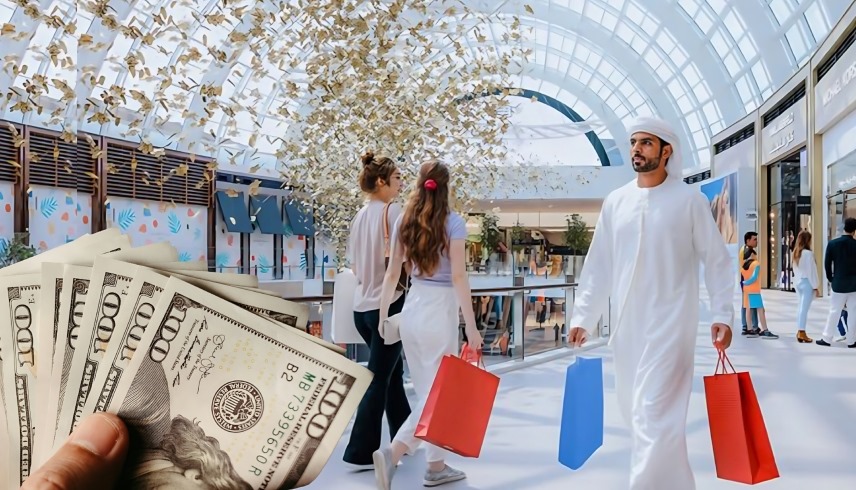
As global consumer spending shifts from mere product purchases to investing in experiences, the UAE is strategically capitalizing on the burgeoning “experience economy.” This concept, currently valued at over a trillion dollars, reflects a transformative economic model where consumers prioritize emotional connections, memories, and interactions over tangible goods. This article explores how the UAE is not only recognizing this shift but also leading it effectively, turning memories into billions through its innovative approach to the economy of experience.
What is the Experience Economy?
The term “experience economy” was first coined by American researcher B. Joseph Pine II in the late 1990s. It describes a novel economic model focused on creating value by crafting unique experiences and memories for consumers, rather than merely producing goods or providing traditional services. In this economy, consumers are not just paying for a product; they are investing in the emotions and feelings that accompany it.
To illustrate this economic model, consider the difference between service and experience. A hotel in a service economy offers a clean room and a place to stay. In contrast, a hotel in the experience economy sells a comprehensive journey that includes local activities and personalized experiences, ensuring that a visitor leaves with cherished memories rather than just a bill for their stay. Similarly, a visitor to an amusement park is not merely buying an entrance ticket; they are purchasing moments spent with loved ones and memories that can last a lifetime.
This shift signifies a clear change in consumer behavior, particularly among younger generations, who now prefer to spend their money on activities and experiences that provide joy, uniqueness, or a sense of belonging, rather than merely acquiring new products.
An Early Emirati Bet
This global shift in youth behavior aligns remarkably with the UAE’s proactive vision, enabling the country to evolve from traditional service offerings to creating experiences that encourage consumers—whether citizens, residents, or tourists—to pay a premium for the accompanying “feeling and experience.” A recent study by the investment firm “Shamal” in Dubai revealed that 75% of the population now prioritizes live experiences and increases their spending accordingly.
Furthermore, 80% of respondents reported budgeting for leisure activities and experiences, while one-quarter expressed willingness to increase this spending in the future. Social media platforms, along with family and friends, play a pivotal role in guiding consumer decisions, with approximately two-thirds of participants relying on these sources to discover and choose new experiences.
How Does the UAE Sell “Feelings”?
This psychological concept is manifesting in several tangible models across various sectors in the UAE. For instance:
- Emirates Airlines and Etihad Airways (Feeling of Luxury and Privacy): Passengers do not simply purchase a ticket to travel; they invest in the luxury of their senses through fully enclosed first-class suites and spa services onboard Emirates’ A380 aircraft, or the luxurious “The Residence” on Etihad Airlines.
- The Dubai Mall and Yas Mall (Feeling of Joy and Excitement): Retail centers under major groups like “Emaar,” “Aldar,” and “Majid Al Futtaim” have transformed into platforms for family fun and memory-making, where customers shop while experiencing the adjacent Dubai Aquarium or skiing indoors at Ski Dubai amidst natural snow in the desert.
- Burdj Al Arab and Atlantis The Royal (Feeling of Exclusivity and Prestige): Iconic hotels in the UAE have moved away from traditional hospitality concepts. Here, the real product offered is a once-in-a-lifetime experience; guests are welcomed by a fleet of Rolls-Royce cars, served 24-carat gold coffee in the Burj Al Arab lobby, and provided personalized butler services, ensuring they leave with an extraordinary story to share.
The Financial Gains from Selling “Feelings”
This psychological transition is not merely a luxury; it serves as a colossal economic engine in numerical terms. For instance:
- Record Spending on Experiential Tourism: Dubai welcomed 19.59 million international visitors in 2025. These tourists came not to buy goods that could be shipped online, but to spend billions on “live experiences” such as suspended dining, skydiving over the Palm, and luxurious desert tours.
- Attraction of Investment in Luxury: By fostering a sense of “security, stability, and luxury,” the UAE has successfully maintained its position as the world’s top country for entrepreneurial ventures for five consecutive years, as reported by the Global Entrepreneurship Monitor (GEM 2025-2026).
- Real-World Growth: The non-oil GDP recorded a growth rate of 6.8% last year, amounting to 1.5 trillion dirhams, fueled by the momentum in sectors focused on experiences—including tourism, entertainment, and smart shopping.
The UAE has recognized early on that goods and services can be replicated or offered at cheaper prices elsewhere. However, “feelings and memories” cannot be easily duplicated. As a result, the country has invested in designing unique human experiences, propelling its non-oil economy to account for over 77.3% of its total output, thus establishing itself as the leading global hub for the “economy of experience, emotions, and luxury.”