
The conventional definition of a “positive student” has evolved beyond just achieving high grades or displaying commitment within the classroom. Today, it represents a comprehensive framework of values, behaviours, and skills that students exhibit in their interactions with their families, schools, and communities. This includes their ability to take on responsibility, demonstrate initiative, respect others, maintain their national identity, utilise technology wisely, and prepare for future demands.

Educational experts have emphasised to “Al-Bayan” that the Emirati school plays a vital role that transcends the mere delivery of knowledge. Its mission includes the development of a well-rounded individual who is capable of learning, working collaboratively, communicating, and making informed decisions. A positive student does not necessarily top the academic charts; rather, they are aware of their rights and responsibilities, respect order, accept diversity, seek solutions rather than merely identifying problems, and leave a positive impact on their environment.
Core Identity
Educator Wafa Al-Shamsi notes that one of the most distinguishing features of a positive Emirati student is their clear sense of identity and belonging to their nation. She explains that schools foster this aspect not solely through theoretical knowledge, but through everyday situations in which students learn to respect others, maintain public property, appreciate national achievements, and engage in community-serving initiatives. The rapid technological evolution makes it crucial to instil identity so students can navigate the digital world guided by clear values, rather than passively consuming content from various platforms.
Spirit of Initiative
According to educational expert Dr Abdul Latif Al-Siyabi, a significant shift essential for students is moving from being “passive recipients” to becoming “initiators.” He argues that their participation should extend beyond attending classes and taking exams; students must become partners in shaping school life, proposing ideas, planning, implementing, and owning the outcomes. Schools can enhance this quality by genuinely offering leadership opportunities, such as managing a student initiative, organising events, leading a team, or proposing solutions to challenges faced by peers. Students who learn to take initiative at school are better prepared for university studies, the job market, and entrepreneurship.
Self-Discipline
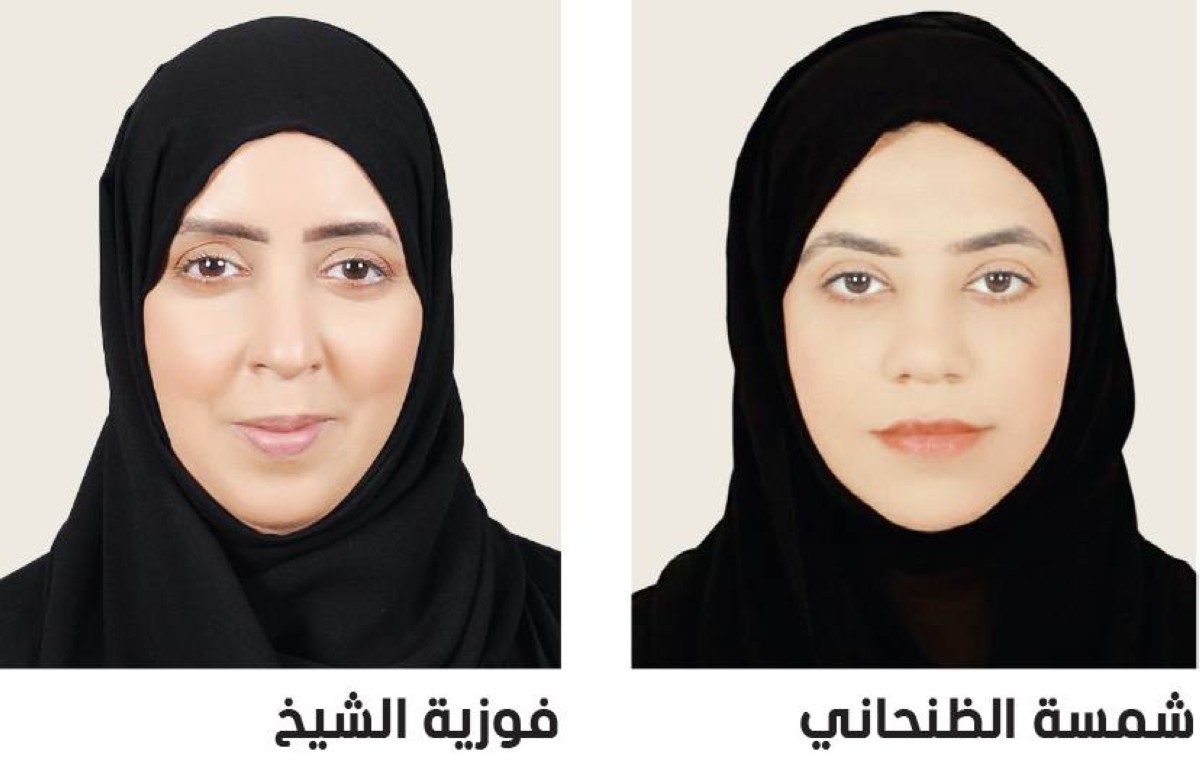
Educator Shamsa Al-Dhanhani asserts that a true positive student “monitors themselves.” She indicates that discipline based solely on the teacher’s presence or fear of punishment is insufficient for fostering a responsible character. The primary educational goal should be for students to understand the rationale behind rules and to adhere to them out of conviction. Self-discipline manifests through time management, consistent attendance, control over emotions, respect for others, and the ability to reject inappropriate behaviour, even among friends. This skill is vital for preparing students for life after school.
Similarly, educator Sheikha Al-Zeoudi emphasises that while academic excellence remains essential, it cannot be the sole criterion for measuring a student’s success. A student with high grades but lacking independence, communication, teamwork skills, and problem-solving abilities needs substantial personal development. The future requires students who can learn independently, seek information and verify it, use artificial intelligence responsibly, and continuously develop their skills.
Educator Fawzia Sheikh concludes that shaping a positive student is a shared responsibility between schools and families. She warns against the contradictions in messages students receive from both environments, noting that it is challenging to expect students to be independent and responsible at school when families take on all responsibilities at home. It is crucial to assign age-appropriate responsibilities to children, listen to their opinions, allow them to make decisions and face the consequences, and to model respect for time, laws, and others, along with balanced technology use. Schools must also create an environment conducive to practising positivity rather than merely discussing it, through student councils, voluntary activities, collective projects, leadership programmes, and community and environmental initiatives.