
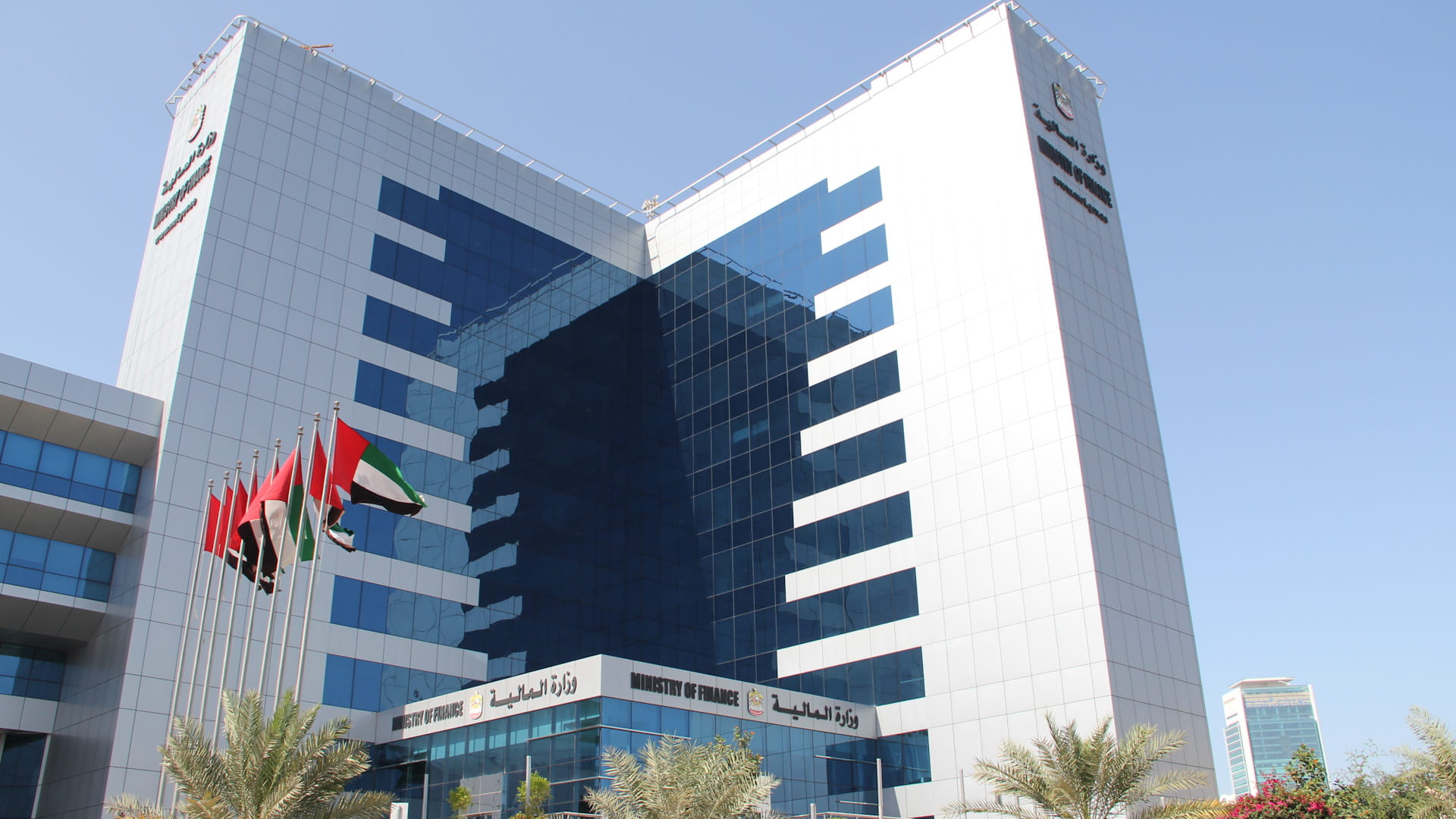
In a significant development regarding electronic invoicing, the Ministry of Finance has made amendments to decisions related to electronic invoicing, aiming to enhance the framework for this crucial system. The recent adjustments indicate a proactive approach to addressing the needs of businesses and ensuring a more competitive environment for electronic service providers. With a new deadline for service provider appointments and amendments to existing regulations, these changes are set to profoundly influence the electronic invoicing landscape.
Extension of Deadlines for Service Providers
Recently, the Ministry of Finance announced specific amendments to the ministerial decisions regarding the electronic invoicing system, particularly extending the deadline for appointing a certified service provider (ASP) from July 31, 2026, to October 30, 2026. This modification is part of the broader adjustment to ministerial decision number “244” for 2025, targeting individuals subject to electronic invoicing who have annual revenues exceeding 50 million dirhams.
Market Readiness Assessment
The ministry emphasized that this extension follows a thorough evaluation of market readiness. It directly responds to feedback from the business sector, which highlighted the necessity of providing wider technical options and ensuring competitive pricing that benefits those required to comply with the electronic invoicing system. Currently, 32 service providers have been approved, with many more nearing the final stages of accreditation. This initiative is expected to foster a more integrated and competitive technological ecosystem.
Empowering Local Businesses
In a move aimed at strengthening local enterprises, the ministry has also modified ministerial decision number “64” for 2025 regarding the standards and procedures for the acceptance and accreditation of service providers within the electronic invoicing system. This new mechanism allows for technical solutions to be presented in collaboration with third-party providers, enabling local companies to partner with international service suppliers. Such collaborations are designed to facilitate knowledge transfer and offer services that align with local requirements, thereby accelerating the digital transformation across the UAE.
Maintaining a Clear Legislative Environment
Furthermore, the Ministry of Finance confirmed that the timeline for the mandatory implementation of the electronic invoicing system remains unchanged. Affected individuals, specifically those with revenues exceeding 50 million dirhams, are required to commence the practical application of the system by January 1, 2027. The ministry reaffirms its commitment to providing a clear legislative environment that ensures legal certainty, facilitating a smooth transition towards the electronic invoicing framework and enhancing tax compliance efficiency within the UAE.