
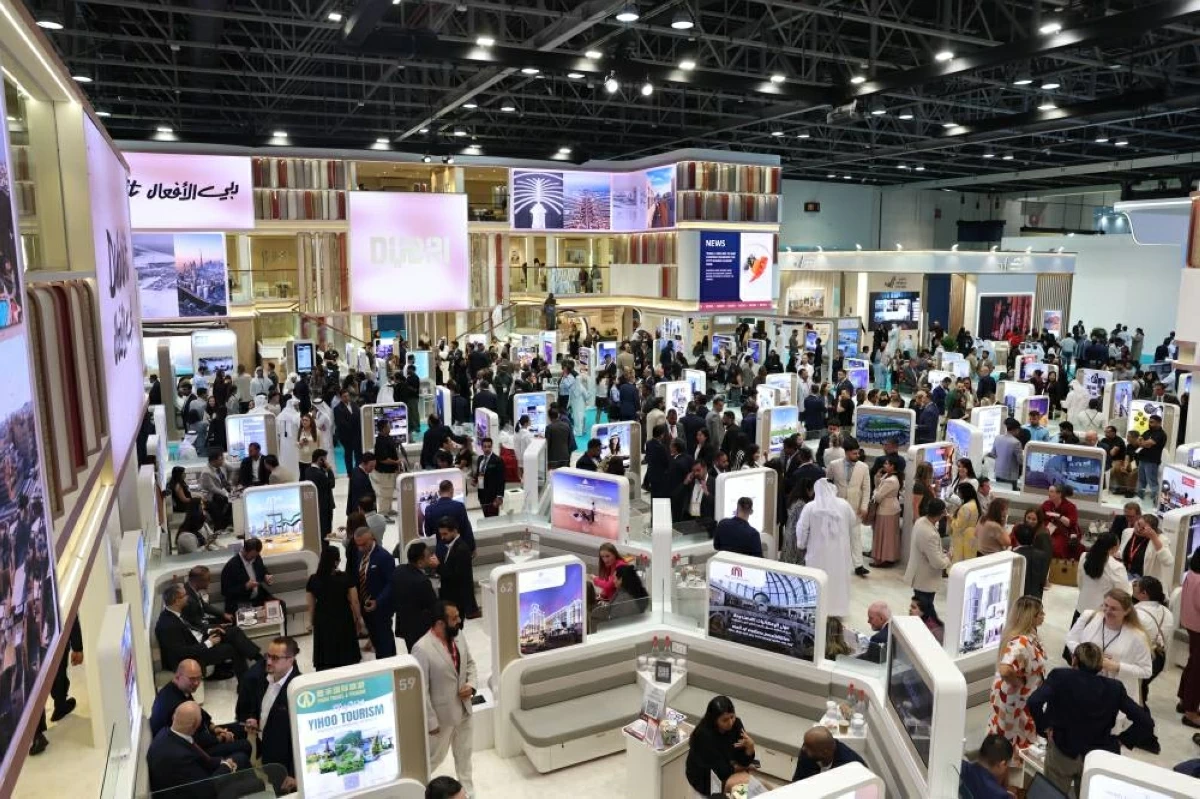
As 2026 draws to a close, the hospitality sector in the UAE is witnessing an invigorating phase of growth, propelled by robust tourist demand and a calendar packed with events and conferences. This momentum, coupled with the festive season and increased visitor influx from Gulf, European, and international markets, sets the stage for a bustling end to the year.
Hotel and resort executives participating in the Arabian Travel Market in Dubai highlighted that the industry is entering a transformative growth phase. This evolution doesn’t merely hinge on expanding room numbers but encompasses a holistic approach: enhancing existing facilities, innovating guest experiences, and launching new hotel concepts.
The strong booking indicators from several global hotel groups showcase the sustained demand in the UAE hospitality market, with diverse visitor demographics returning. The final quarter is anticipated to be one of the year’s peak periods, driven by business events and leisure tourism.
Events Boosting Occupancy Rates
Raymond Habib, Sales Manager for the Gulf and the Middle East & North Africa at Atlantis Dubai, remarked on the substantial international demand, particularly from Gulf countries, the UK, Europe, and India, with promising trends emerging from the Chinese market. He noted that the vibrant events calendar in the UAE plays a crucial role in stimulating demand during the last quarter.
October bookings for Atlantis are showing robust performance, with occupancy rates exceeding 65% at “Atlantis, The Palm” and “Atlantis The Royal.” Habib mentioned the ongoing review of operations concerning temporarily closed establishments in line with guest demand and market conditions. Additionally, renovations are ongoing at several venues, including “Cloud 22,” “Platos,” “Ossiano,” and “Poseidon Village.”
Millennium’s Ambitious Expansion Plans
Ali Hamad Al-Khuraim, head of Millennium and Copthorne Hotels for the Middle East, North Africa, and Turkey, shared that the group has six upcoming projects across the UAE, boasting a total of 1,677 units which includes 842 hotel rooms and 835 residential units. The UAE represents approximately 14.3% of Millennium’s total projected portfolio of 11,736 units.
Significant projects include “Grand Millennium Dana Bay” in Ras Al Khaimah, “Millennium Talia Residences” in Dubai, and the “Biltmore Residences Al Sufouh.” The “Millennium Residences Saadiyat Island” in Abu Dhabi, launched in September 2025, marks the group’s first branded residential offering in the region.
The reopening of “Grand Millennium Business Bay” in September 2025 further emphasises the group’s commitment to maintaining a balanced portfolio between hotel and residential units, which stands at 50.2% and 49.8%, respectively.
Enhancing Guest Experiences Through Renovations
Ahmed Al-Maliji, Regional Vice President for Sales and Business Development at Hyatt Hotels in the Middle East and Africa, elaborated on the group’s strategy in the UAE, which centres on improving the experiences offered in existing hotels. Plans for renovations are in place for “Park Hyatt Dubai” to meet evolving traveller expectations.
Al-Maliji affirmed confidence in the long-term prospects for the UAE, which has established itself as a premier destination for leisure tourism, luxury hospitality, and events. He anticipates that continued investments in the visitor economy and enhanced collaboration between the public and private sectors will play pivotal roles in the sector’s future growth, with travel, entertainment, wellness, and business events remaining key demand drivers into 2027.
The Travel Market Fuelling Hotel Occupancy
Nasser Al-Nuaimi, Chairman of Rotana Hotels, reported signs of recovery within the tourism sector in the UAE, noting a gradual return of international visitors, particularly from Russia, the UK, and Germany. Currently, the average occupancy rates across the group’s hotels hover around 60%, with domestic tourism significantly bolstering hotel performance.
Events and fairs have notably enhanced bookings for Rotana hotels in Dubai, reaching occupancy levels of up to 80%, particularly during the Arabian Travel Market. Looking ahead, Al-Nuaimi expects continued improvement in tourism activity, anticipating a return to pre-pandemic levels by the end of 2026.
Al-Nuaimi also announced that the group’s portfolio currently comprises around 22,000 rooms, both within the UAE and internationally, and revealed plans to open a new hotel project in Ras Al Khaimah by October.
UAE as a Growth Hub
Fadh Abdulrahim Kazem, CEO of Legacy Hotels, emphasised the UAE’s solid position as a pivotal market, noting that investments are focused on operational and institutional developments to support long-term growth. The group aims to expand its operations in the UAE, enhancing its technical capabilities and infrastructure to manage a larger, more diverse portfolio while expanding its regional and international presence.
Kazem highlighted that the UAE will remain a focal point in the group’s growth strategy, with predictions of a balanced demand between leisure tourism, business travel, and the meetings, incentives, conferences, and events sector throughout 2027, alongside emerging opportunities in various hospitality segments.