
The findings from the inaugural research paper released during the 2026 Congress of Arabic and Creative Industries reveal a significant presence of the Arabic language in the daily lives of youth across the Middle East and North Africa (MENA). It plays an essential role in expressing their authentic identity. However, many young people also perceive English as crucial for building their futures, indicating a substantial gap between Arabic’s cultural prestige and its practical applicability in education, work, and the digital economy.
The research paper, produced in collaboration with “Strategy & Middle East” from PwC and Ipsos, titled “From the Authentic Roots to Keeping Up with the Times: Transforming Arabic into a Language Rich with Opportunities for Youth in the MENA Region,” highlights that while Arabic is the dominant language at home, this balance shifts in educational and professional environments. While 91% of youth use Arabic at home, the figure drops to 64% in workplaces or educational institutions and further declines to 60% in online learning scenarios. Additionally, an overwhelming 77% of respondents believe that English is essential for achieving their goals.
Despite this trend, the younger generation does not wish to distance themselves from Arabic. Approximately 74% of the youth advocate for the evolution of the Arabic language to better reflect their learning styles, creativity, and work environments. Furthermore, 76% of participants confirmed that the language connects them to their roots. These results underscore a challenge regarding how the Arabic language can be optimized to maintain its association with the identity, ambitions, and opportunities of youth.
* Status of Arabic Language
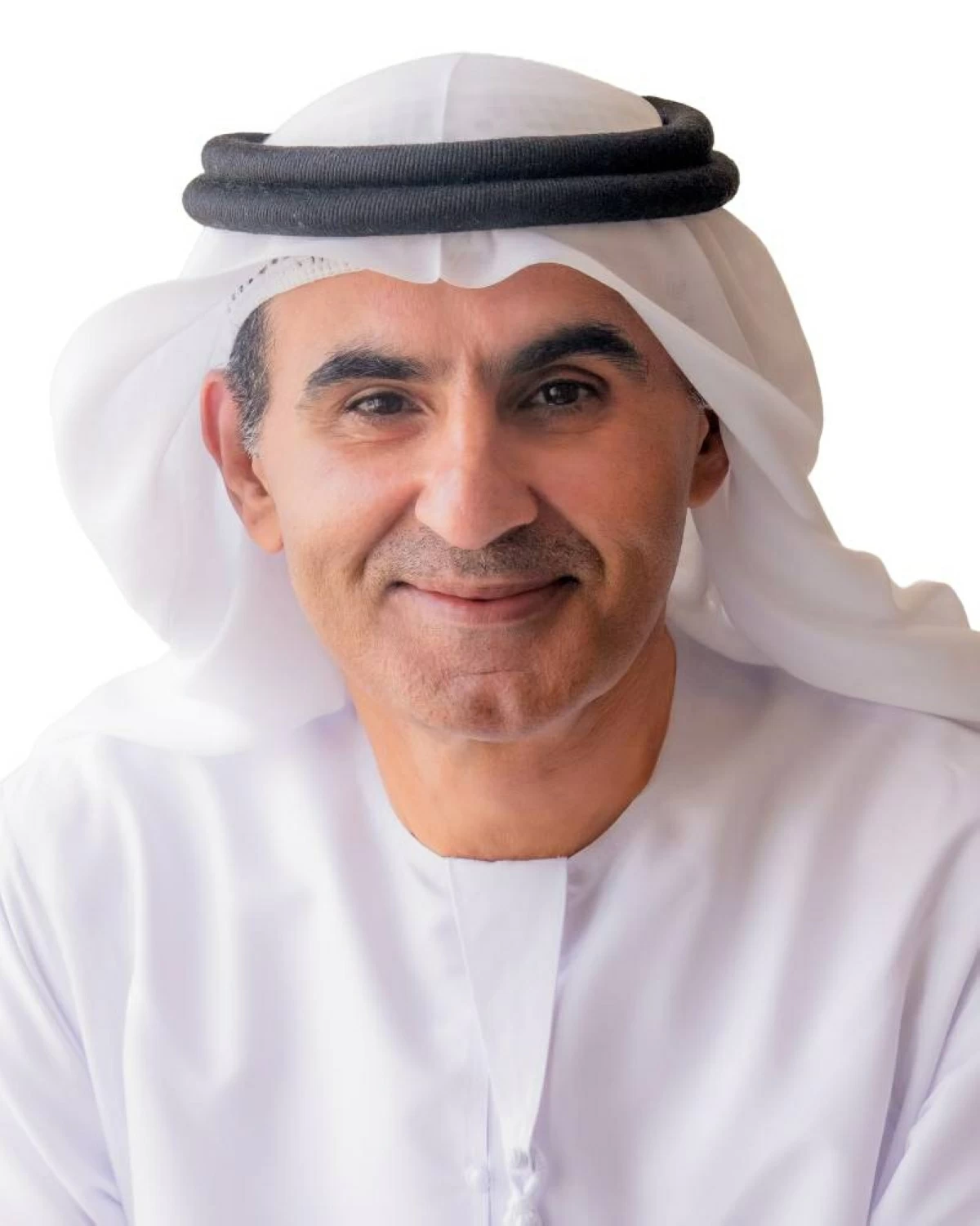
Dr Ali bin Tamim, Chairman of the Abu Dhabi Arabic Language Centre, stated, “These results affirm the deep-seated status of the Arabic language in the lives and identity of youth across our region. They offer valuable insights into what they aspire for from their language today. Young people are not turning away from Arabic; rather, they aim for its tools and presence to keep pace with their rapid lifestyle. It is our responsibility to ensure that this deep connection to the Arabic language is tied to opportunities by enhancing its presence in education, technology, knowledge production, and creative industries. Arabic has always been a language of knowledge and creativity, and by listening to this generation and responding to their ambitions, we can secure its vital presence in their future and empower them to contribute confidently in shaping it.”

The study indicates that half of the young respondents view technology and artificial intelligence as top priorities for increasing investment in the Arabic language. It elaborates on the existing gaps in the domain of AI with respect to Arabic, specifically noting that the performance of many large language models is notably less effective in non-English contexts and resource-poor languages. The paper advocates for the establishment of a unified infrastructure for Arabic language technologies, comprising high-quality datasets, language models, speech recognition tools, and translation resources that can be utilized across different sectors and dialects.
Moreover, 76% of the youth surveyed feel that the Arabic language ties them to their roots, with 70% expressing concerns over the loss of traditions and values, and 66% highlighting the decline in Arabic usage. They aspire for their cherished language to remain relevant in modern contexts; 77% feel pride when they see Arabic employed in contemporary settings, while 67% believe that Arabic content appears outdated compared to English content. Nay Abi Ramia, a partner at “Strategy & Middle East,” remarked, “Youth across the region are ambitiously envisioning their futures without compromising their heritage, and Arabic remains a vital component of their identity. The opportunity today lies in ensuring the active presence of the Arabic language within the technologies they use, the content they consume and produce, and the educational and career paths they pursue.”
To enhance the applicability of Arabic in environments shaping the futures of youth, the research paper outlines five actionable pathways: linking Arabic language education to its practical applications and professional use; building shared technologies for the Arabic language; transforming digital standards for Arabic into measurable outcomes for users; supporting the development of modern systems for Arabic content and sustainable career pathways in creative industries; while clearly delineating responsibilities, measuring outcomes, and scaling successful initiatives.
* Educational Recommendations
In the realm of education, the paper recommends providing learners with additional opportunities to use Arabic in fields such as artificial intelligence, science, technology, engineering, mathematics, entrepreneurship, media production, and work environments. Regarding technology, it calls for the creation of a common infrastructure that includes high-quality datasets, language models, speech recognition tools, and translation resources, which would contribute to improving the quality and accessibility of Arabic digital tools across various sectors and dialects.
