
In a rapidly changing world characterised by political, economic, and social transformations, the need to prepare a generation of youth equipped with knowledge, awareness, and skills to engage with international issues has become increasingly vital. This preparation enables them to engage in dialogue, communicate across various cultures, and contribute to building bridges of understanding, thus promoting values of peace and sustainable development.
Engaging Youth in Global Dialogue
This imperative is underscored by the participation of students from the Department of Government and Society at the United Arab Emirates University in the Peace and Diplomacy Programme and Conference, hosted by Aydin University in Istanbul, Turkey. This educational and international experience allows students to transition from academic knowledge to practical engagement, broadening their perspectives through interaction with a diverse array of experts, scholars, and peers from around the globe.
Fostering Diplomacy and Cultural Communication
The significance of this participation is heightened by the topical themes addressed, including diplomacy, peace, multicultural international communication, youth empowerment, leadership, women’s rights, and their role in development and decision-making. The discussions reflect on relevant contemporary regional and international challenges, contributing to the students’ political and diplomatic awareness while enhancing their analytical and dialogue capabilities.
UAE’s Commitment to Empowering Youth
This initiative exemplifies the UAE’s dedication to investing in its people, empowering youth, and equipping them for the future while developing their leadership and diplomatic skills. Such efforts enhance the Emirati presence in regional and international arenas. At the same time, the UAE’s experience in empowering women stands out as an integral part of developmental progress, rooted in the philosophy established by the late Sheikh Zayed bin Sultan Al Nahyan, which continues to manifest in the prominent roles women in the UAE occupy in leadership, decision-making, parliamentary, diplomatic, and scientific fields.
Recognition for Excellence in Debate
During the programme, the Emirati delegation made a notable impact, with members Hamid Al Bloushi and Mohammed Al Shehhi awarded Best Debaters for their outstanding performance in debate sessions. Their ability to formulate arguments, present ideas, and engage in discussions with thoughtfulness and objectivity reflected the high level of training present in Emirati youth and their capacity for effective participation and competition in multicultural international environments.
This Experience as an Educational Investment
This experience aligns with the mission of UAE University to prepare graduates who possess the competencies and readiness to compete on a global scale, offering high-quality international experiences that foster critical thinking and enhance communication skills in multicultural settings. It provides students with a deeper understanding of the issues shaping the future of international relations and societies.
Global Opportunities for Emirati Students
Furthermore, this initiative gives Emirati students the chance to interact directly with peers from different countries, listen to diverse perspectives on international issues, and discuss differences in an academic environment built on respect and dialogue. Modern diplomacy transcends mere knowledge of positions; it encompasses the ability to understand others, manage differences, seek common interests, and transform divergences into avenues for dialogue and cooperation.
Insights from Conference Leadership
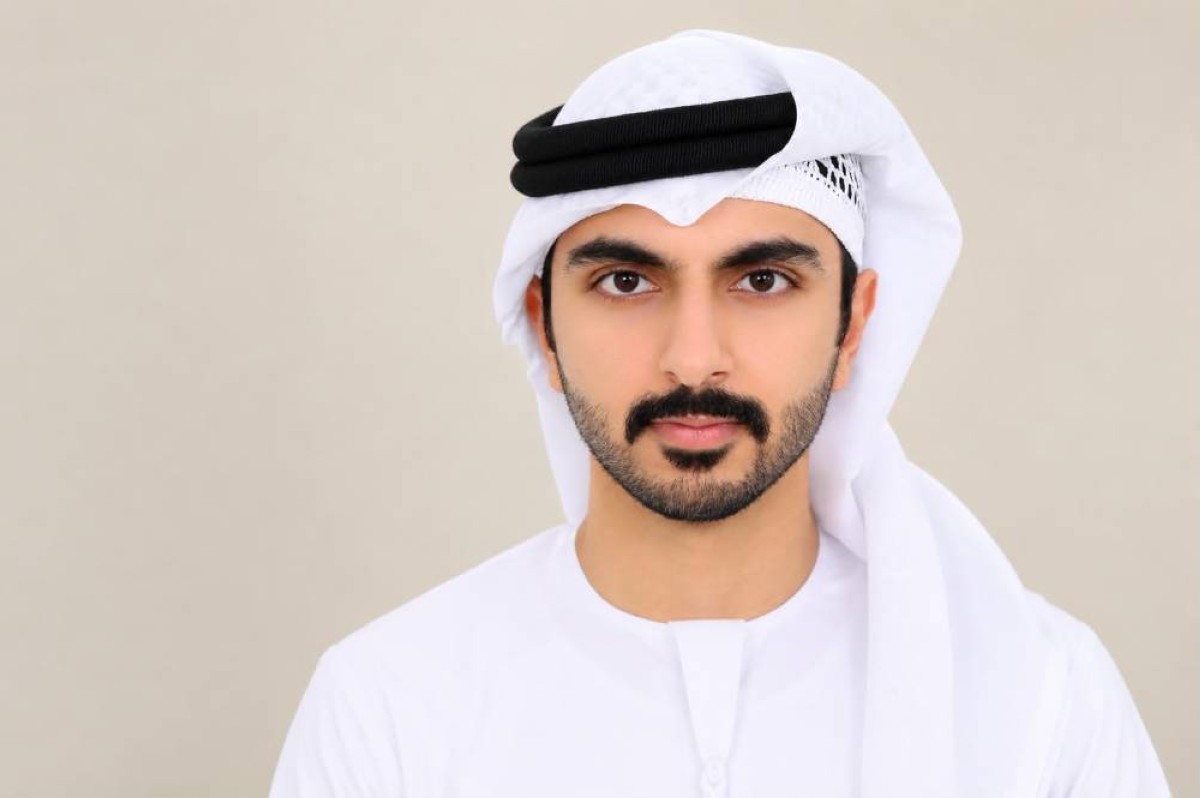
In a statement to Al Bayan newspaper, Dr. Ahmed Al Mulla, Head of the Department of Government and Society at UAE University and Leader of the delegation, emphasised the importance of preparing youth for the future amidst the rapid transformations within the international system. He stated, “It is not enough to equip our youth with academic knowledge; they must also grasp the complexities of international relations and acquire the tools for dialogue, negotiation, and multicultural communication. Therefore, investing in building a knowledgeable generation with diplomatic capabilities is essential for representing our nation responsibly and effectively.”
Training for a Complex Global Landscape
Dr. Al Mulla reinforced that the engagement of UAE youth in the Peace and Diplomacy Programme, hosted by Aydin University in Istanbul, is central to equipping them with the necessary experiences for understanding and addressing contemporary international concerns. He asserted that developing youth capable of analysing international landscapes and interactively engaging with diverse cultures equates to a strategic investment in the future. Today, the power of nations is not solely measured by their economic resources but also by the quality of their human capital, its capability for knowledge, innovation, and building partnerships.
A Vision for Peace and Understanding
The participation of Emirati students exemplifies the UAE’s ethos of investing in humanity, fostering open global relations, enhancing values of dialogue, tolerance, coexistence, and peace. It establishes diplomacy as a means of building trust and partnerships while achieving mutual interests, rather than merely a tool for managing traditional political relations.
Commitment to Gender Equality and Community Development
Said Al Marzouqi, a political researcher and delegation member, highlighted that the UAE’s experience in empowering women represents a comprehensive development and political model derived from a long-term strategic vision initiated by the late Sheikh Zayed bin Sultan Al Nahyan. Al Marzouqi pointed out that Sheikh Zayed believed women are pivotal in both nation-building and sustaining development. Their presence is not merely as participants in development but as essential components in the continuous growth and prosperity of the UAE.
Women’s Role in National Development
Al Marzouqi added that the Emirates’ approach to women’s empowerment is not a response to international pressures or a bid to improve global indicators, but rather a genuine national choice grounded in the philosophy of human development. This commitment has created an integral system of laws, institutions, and governmental policies ensuring equal opportunities, thus enabling women to participate fully across all sectors, including education, economics, governance, and science.
Empowerment Reflected in Leadership
He pointed to the Anwar Gargash Diplomatic Academy as an exemplary model of this vision, with women now comprising the majority of its enrolment, symbolising the trust placed in female Emirati competencies within foreign affairs. This representation reflects a qualitative shift in the approach to developing diplomatic personnel.
Significant Legislative Milestones
Al Marzouqi also reflected on the historic decision to elevate women’s representation in the Federal National Council to 50% in 2019, marking a significant milestone in the UAE’s political evolution. This move was not simply about achieving numerical balance but served to affirm the leadership’s belief that women’s participation in decision-making and legislative processes is a necessity for enhancing public policy quality and principles of sound governance.
A Focus on Education and Sustainable Development
In discussions at the conference, Hamid Al Bloushi, another participant, highlighted that the presentations by scholars and diplomats underscored the role of education as a pivotal component of foreign policy and an essential cornerstone for peace and stability. The debates recognised that the transformations within the international system demand a redefinition of diplomacy to include educational, cultural, and scientific dimensions.
Promoting Dialogue and Preventing Conflicts
Al Bloushi asserted that investing in education is essentially investing in peace, as it fosters individuals who can engage in critical thinking and respect for others. He emphasised that universities and research institutions play a crucial role in modern diplomacy, contributing to knowledge production, supporting policymakers, and nurturing cultural dialogue. The conference’s sessions affirmed that the soft power of nations now relies heavily on educational investments, research, and the cultivation of cultural ties.
Preparing a New Generation of Leaders
Summarising his experience, Al Bloushi noted that he was recognised as one of the best debaters, reflecting his ability to present ideas, formulate arguments, and engage with diverse viewpoints in an international context. He stated, “This experience has not only developed my debate skills but has underlined that the essence of diplomacy lies in presenting a clear position while understanding different perspectives, seeking common ground for constructive dialogue.”
The insights gathered from the Peace and Diplomacy Conference illustrate a transformative approach to engage youth as catalysts for change within their societies and contribute positively to global dialogues. Building on the foundation of education and mutual respect, the youth of the UAE are poised to pave the way for a future rooted in collaboration, understanding, and peace.