
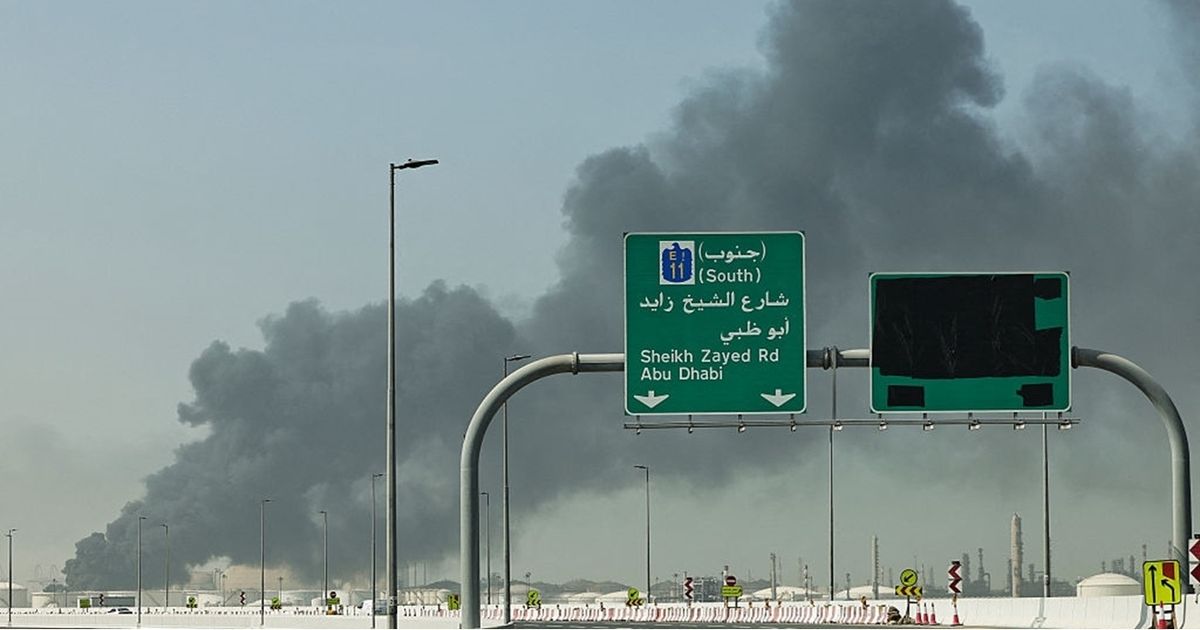
Dubai is facing an unprecedented tourism shock, with hotels and restaurants experiencing the most severe decline in years. This downturn has been prompted by the repercussions of the ongoing conflict between the United States and Iran, drastically affecting visitor numbers and leading to the cancellation of thousands of trips and reservations. As the city, once a bustling tourist hub, grapples with this crisis, the negative impact on its hospitality sector becomes increasingly evident.
A Crisis in Tourism
Dramatic declines in tourism activity have characterized Dubai in recent weeks, following the outbreak of conflict that began on February 28. The illustrious city, previously considered one of the world’s top travel destinations, is now facing significant drops in visitor numbers, with many tourists leaving and bookings plummeting. According to an extensive report by the BBC, the tourism sector in Dubai is confronting a severe crisis that has left the city grappling with the stark realities of a changing landscape.
Impact on Restaurants and Hospitality
The restaurant industry has been particularly hard hit. Natascha Seideris from Tashas Group remarked that the market shift was both sudden and severe. Having established her first restaurant in Dubai in 2014, she successfully expanded to 14 branches and employed over a thousand people. Yet, due to the ongoing conflict, her restaurant revenues, which relied on a mix of tourist and local patronage, have dropped dramatically—by over 50% for local customers and between 70% and 80% for tourist-dependent branches. Faced with these harsh realities, she has made the tough decision to cut salaries by 30% across the board, including her own, to avoid layoffs. “The current situation is extremely tough,” Seideris explained, highlighting her dilemma between staff reductions and salary cuts to preserve jobs.
The crisis is not confined to any single restaurant group; it extends throughout Dubai’s hospitality sector. An executive from another restaurant chain, wishing to remain anonymous, disclosed that customer numbers have dwindled to merely 15% to 20% of normal levels, prompting the company to place over half its workforce on unpaid leave. Some locations have temporarily closed, while others continue to operate with minimal staff to reduce operational costs.
Broader Effects on Tourism Infrastructure
This tourism shock is reverberating across all facets of the travel industry, extending to hotels, travel agencies, and airlines. The UAE has been under repeated drone and missile attacks from Iranian forces in retaliation for US and Israeli operations, with Dubai identified as a priority target. Authorities report that more than 2,400 projectiles have been launched at the UAE, targeting civilian infrastructure including hotels and residential areas. The aftermath of these attacks has left physical damage in notable areas, including hotels near Dubai International Airport.
Flight operations have also been disrupted, with many visitors stranded until they were evacuated through special flights, alongside thousands of canceled flights jeopardizing operations at what was once one of the world’s busiest airports. While Emirates Airlines is slowly starting to resume some services, the ongoing trends of tourist departures and falling newcomer numbers directly affect the hotel sector.
A Potential Path Forward
Occupancy rates within hotels have plummeted to between 15% and 20% of typical levels post-conflict outbreak, as reported by Mamoun Hamidien of Wego. To lure local residents back, some luxury hotels have slashed prices by up to 50%, especially during the Eid holiday season. Hamidien emphasized that this climate of uncertainty currently affects all stakeholders, as hotel chains are opting to shut down portions of their establishments or suspend operations temporarily in an attempt to mitigate expenses.
Despite the challenges, there are murmurs of hope. Should the conflict resolve soon, a rapid recovery could be on the horizon. Local officials have initiated a support package worth $272.26 million aimed at bolstering affected businesses, including tourism. Specific plans are underway to revitalize the sector once peace is restored, highlighted by marketing campaigns and special offers. Yet the uncertainty looms large, with Seideris expressing apprehension about the future: “We hope not to reach a point where we must make tougher decisions regarding our workforce.”
The ongoing challenges are emblematic not only of Dubai’s struggle but reflect broader regional implications, as the area could see a decline of 23 to 38 million travelers and losses of up to $56 billion in tourist spending within this fiscal year. The resilience of this vibrant city will soon be tested, and business owners are left to navigate this precarious landscape, hopeful for a return to the thriving tourism scene they once knew.