
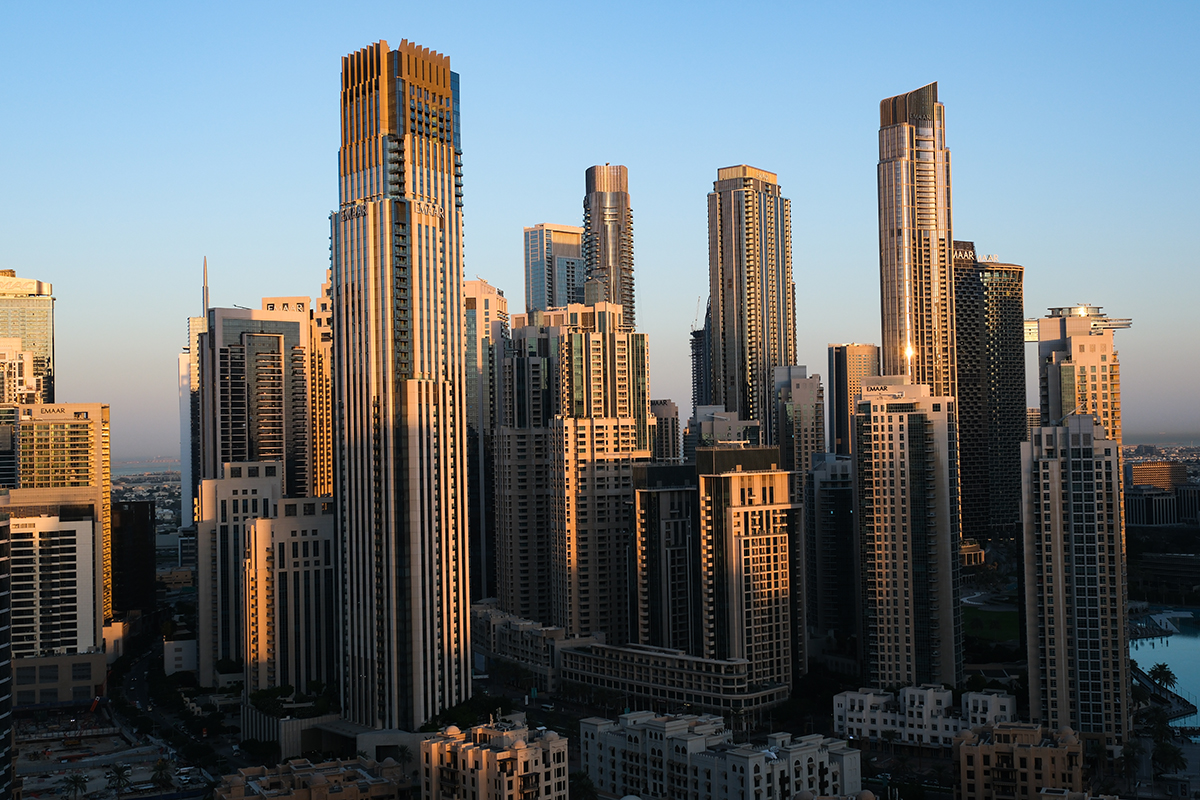
The Dubai real estate market has experienced a remarkable surge in property transactions, achieving unprecedented levels in the first half of 2025. With 99,146 deals finalized compared to just 26,891 during the same period in 2021, it is clear that Dubai real estate is witnessing a transformative boom, driven by changing economic conditions and investor sentiment. This article delves into the key factors contributing to this surge, the market’s dynamics, and its implications for the future of real estate in the emirate.
Record Transactions Reflect Market Resilience
Dubai’s residential property sector has consistently shown impressive growth, with transaction volumes rising year on year from 2021 to 2025. Each second quarter has outperformed its first quarter in terms of deal counts, highlighting a robust upward trend. In Q2 2025, for instance, there were 53,525 transactions recorded, a notable increase from 45,621 in Q1.
The remarkable increase in transactions has been linked to global economic shifts, including slow nominal growth and rising geopolitical tensions. As the Driven Properties market report notes, these factors have prompted a resurgence in interest in real estate, viewed as a more stable investment compared to traditional assets that are underperforming in the current macroeconomic climate.
Growth Driven by Capital Rotation
“Investors are increasingly rotating out of duration-sensitive, low-yielding assets and into real assets with inflation-linked cash flows,” the report states, underscoring a substantial shift in investment strategy. As traditional 60/40 portfolio models falter in this environment, investors have turned their attention towards Dubai real estate, where fiscal discipline and a stable economic framework provide a safer alternative.
Amidst the backdrop of rising stagflation in Western economies due to extensive tariffs, Dubai’s stable debt-to-GDP ratio of approximately 14% offers a stark contrast. This financial discipline has attracted international investors seeking refuge in the emirate’s property market.
Leading Areas and Price Movements
Jumeirah Village Circle emerged as the top-performing area in Q2 2025, recording 4,870 sales, followed closely by Business Bay and Damac Island City. However, while transaction volumes in several districts soared, ultra-luxury neighborhoods continue to command the highest prices per square foot. Jumeirah Bay Island leads the pack at AED 13,068, followed by Jumeirah Second and Umm Al Sheif.
Off-plan transactions have shown particularly strong growth, increasing significantly from 4,219 in Q1 2021 to 36,184 in Q2 2025. This category has now captured over 70% of total transactions, while ready property sales have steadily risen, reaching 15,170 transactions in the same quarter.
Future Outlook in a Changing Landscape
The report warns of a potential supply surge between 2026 and 2027, when new unit deliveries are expected to exceed 125,000 annually. While Fitch Ratings suggests a possible price correction of 10-15% in 2026 due to this increased supply, the report argues that the risk may be overestimated. Factors such as rising expatriate inflows and consistent macroeconomic growth are likely to stabilize the market.
Dubai’s appeal to global investors remains strong, particularly given its USD-pegged currency, zero capital gains tax, and transparent regulations. “Key capital allocators are focusing on ‘collateral-backed cash flows’ as core to their allocation philosophy in 2H25,” the report notes. This focus reinforces the belief in Dubai real estate as an enduring and profitable investment avenue, even amidst shifting economic tides.